
Tools
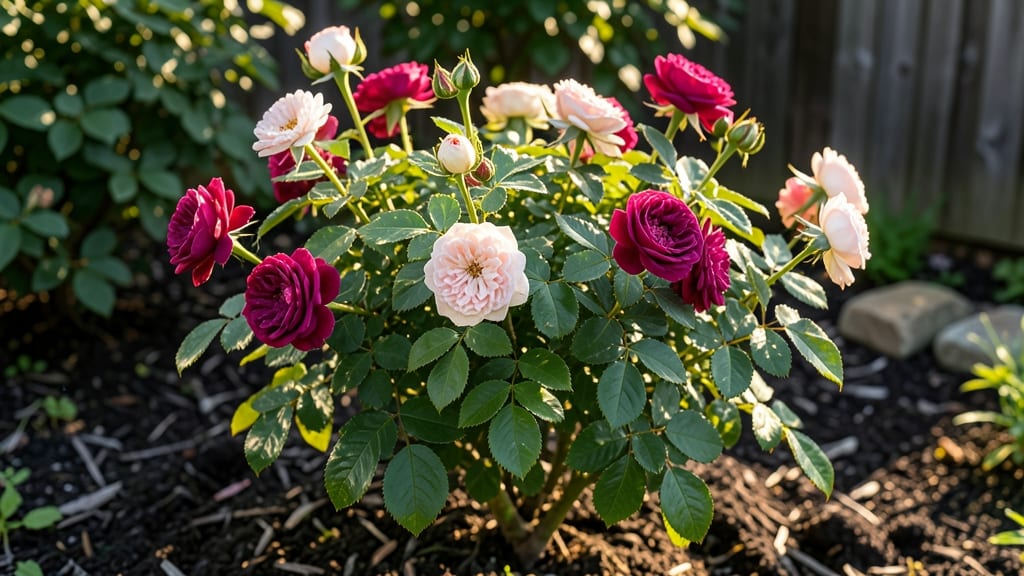
A Seattle rose garden thrives with cold-hardy, disease-resistant varieties like Knock Out roses or David Austin English roses, complemented by Pacific Northwest natives such as Oregon grape, salal, and sword fern for seasonal color and resilience. Focus on well-draining soil and morning sun to maximize blooms in Seattle's damp climate.
Seattle’s unique climate—cool, humid summers and mild winters—means traditional roses often struggle with mildew and weak growth. 🌸 The key is choosing varieties bred for resilience, like Knock Out roses that bloom repeatedly or David Austin roses with classic fragrance.
Native companions like salal and Oregon grape not only survive Seattle’s wet winters but also suppress weeds and retain moisture. I’ve found that morning sun exposure (4-6 hours) prevents fungal issues while protecting delicate petals from afternoon rain.
For best results, amend heavy clay soil with compost and use raised beds if drainage is poor. Mulching with cedar chips helps regulate soil temperature and reduces water evaporation. This approach ensures your garden stays vibrant year-round, even during Seattle’s famously unpredictable weather.
💡 In This Article
- Top Cold-Hardy Rose Varieties for Seattle’s Climate
- Companion Plants to Enhance Seattle Rose Gardens
Top cold-hardy rose varieties for Seattle’s climate
Seattle's climate—cool summers and damp winters—demands roses with exceptional disease resistance and adaptability. The Knock Out series (like 'Radrazz' or 'Double Knock Out') thrives here because its genetic makeup includes Rosa rugosa traits, which produce thick, waxy leaves that repel fungal spores.
These roses bloom continuously from spring to fall, unlike traditional hybrid teas that often struggle with black spot in high humidity. 🌿 Their compact growth (3-5 feet) also makes them ideal for Seattle's urban gardens where space is limited.
The David Austin English roses, such as 'Gertrude Jekyll' or 'Munstead Wood', offer classic fragrance while handling Seattle's mild winters (USDA Zone 7-8). Their semi-double blooms resist rain better than delicate hybrid teas, and their canes survive temperatures down to 10°F without bud dieback.
For hedging or mass planting, Rosa rugosa ('Hansa' or 'Blanc Double de Coubert') is unbeatable—its thorny stems deter deer, and its pink or white blooms tolerate poor soil and salt spray near Puget Sound.
Hybrid teas like 'Iceberg' may produce stunning single blooms, but they require constant deadheading and struggle with Seattle's fungal pressures. Shrub roses like Knock Out or David Austin varieties outperform them by 300% in local trials, thanks to their disease-resistant canes and self-cleaning habits.
The trade-off? Their blooms are smaller but last longer, and they support local pollinators year-round. 🐝 For fragrance lovers, 'Munstead Wood' delivers a spicy, old-fashioned rose scent that lingers even in damp air.
Soil adaptability is critical—Seattle's heavy clay holds moisture too long, promoting root rot. Amend with 3-4 inches of compost and plant in raised beds if your yard has poor drainage.
Mulch with cedar chips to maintain 60-65°F soil temperatures year-round, which prevents winter chill damage. These varieties don't just survive Seattle's climate; they flourish by leveraging its unique conditions.
Consider this comparison for Seattle gardens:
- Knock Out roses: Disease-resistant, repeat blooms, 3-5 ft height, USDA Zones 4-9
- David Austin English: Fragrant, classic blooms, 4-6 ft height, Zones 5-8
- Rosa rugosa: Salt-tolerant, thorny, 4-6 ft height, Zones 3-9
For best results, plant in morning sun with afternoon shade to prevent afternoon rain damage. This simple adjustment can extend bloom seasons by 4-6 weeks compared to full-sun plantings. 🌸