
Tools
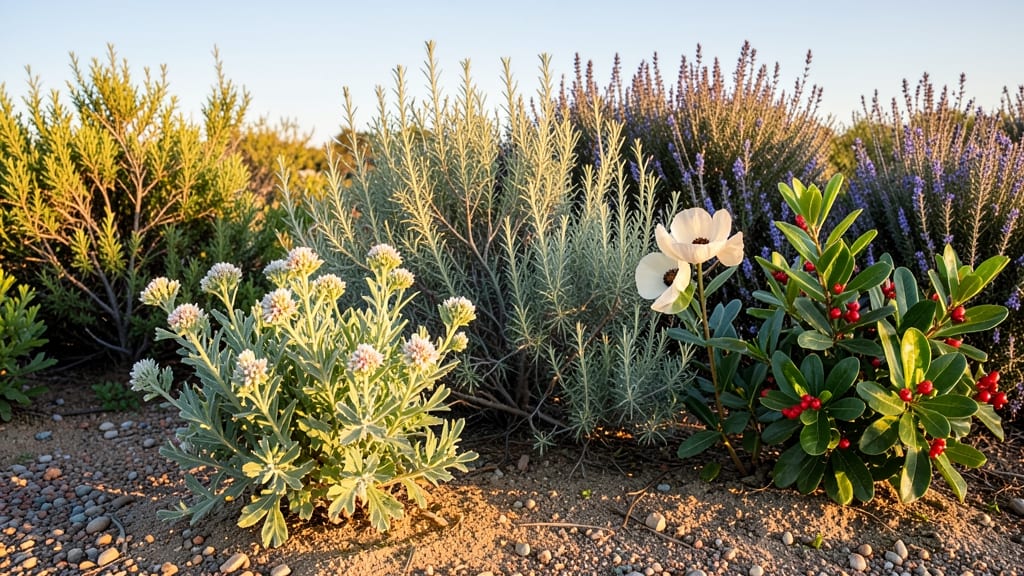
San Diego garden zones span USDA Hardiness Zones 9b through 11, with coastal regions typically falling into Zones 10-11 and inland valleys in Zones 9b-10a. These variations reflect local microclimates, so verifying your exact location is key—urban heat islands and coastal fog can dramatically shift what plants thrive.
San Diego's diverse geography creates these distinct growing conditions.
Coastal areas stay milder year-round thanks to ocean breezes, while inland valleys experience more temperature extremes. 🌿 For example, downtown San Diego often sits in Zone 10, but just 10 miles inland, you might drop into Zone 9b. This means tropical plants like bird-of-paradise flourish near the coast, while citrus trees need extra protection in inland microclimates where winter lows can dip below 30°F.
What's especially important is how elevation plays into this. Areas like La Jolla Shores sit at sea level with consistent moisture, while neighborhoods like Carmel Valley at higher elevations may experience 5-10°F cooler average temperatures.
The USDA map provides a starting point, but I always recommend using local plant nurseries' microclimate guides—they often have firsthand data on what actually grows well in specific neighborhoods.
💡 In This Article
- Understanding San Diego’s Unique Hardiness Zones and Microclimates
- Best Plants for San Diego’s Garden Zones by Microclimate
Understanding San Diego’s unique hardiness zones and microclimates
San Diego’s hardiness zones aren’t just about average temperatures—they reflect a complex interplay of geography, ocean influence, and elevation. The coastal areas, like La Jolla or Pacific Beach, typically fall into USDA Zone 10-11 because the Pacific Ocean moderates temperatures year-round.
Ocean breezes keep summer highs around 75-85°F and prevent winter lows from dropping below 40°F, creating a near-tropical climate.
In contrast, inland valleys such as Escondido or Ramona often sit in Zone 9b-10a, where summer temperatures can spike to 100°F+ and winter nights may dip to 30°F, making them more susceptible to frost.
The science behind this lies in how the ocean acts as a massive heat sink. During the day, coastal areas absorb heat from the land, but at night, the ocean releases stored warmth, preventing drastic temperature swings.
This phenomenon, called "marine layer," also brings morning fog that can linger until late afternoon, creating a 10-15°F cooler microclimate in areas like Del Mar compared to just a few miles inland.
Elevation adds another layer—every 1,000 feet of elevation gain can drop temperatures by 3-5°F, which is why mountain neighborhoods like Poway (elevation 1,200 feet) experience colder winters than coastal areas at sea level.
Urban heat islands further complicate things. Downtown San Diego, with its concrete and asphalt, can be 5-10°F warmer than surrounding areas, pushing it into Zone 10b even though it’s technically inland.
This heat buildup also extends to neighborhoods like Clairemont or Mira Mesa, where pavement absorbs and radiates heat, creating microclimates where tropical plants thrive that might struggle just a few blocks away.
Conversely, canyons and valleys like those in Rancho Peñasquitos trap cool air, mimicking higher-elevation conditions even at lower altitudes.
What most gardeners overlook is how these microclimates affect plant hardiness. For example, a Zone 10b plant like a bougainvillea might survive in a coastal backyard but struggle in a Zone 9b inland garden where winter lows drop below 28°F.
Even within the same neighborhood, a north-facing yard might stay 5°F cooler than a south-facing one due to sun exposure. This is why local nurseries often recommend adjusting zones by ±1 zone based on specific microclimates—what works in one part of San Diego may fail just a few miles away.
To navigate these variations, I recommend using the USDA Interactive Plant Hardiness Map as a baseline, then cross-referencing with tools like the San Diego County Master Gardener Program’s microclimate guide.
They’ve mapped specific neighborhoods with adjustments for urban heat, coastal fog, and elevation—critical data for anyone planning a long-term garden. For instance, if you’re in Zone 10a but live in a canyon, you might treat your garden like Zone 9b to account for cooler nights.
One practical example: If you love citrus trees, coastal Zone 10-11 areas can support lemon or lime trees year-round with minimal protection. But in inland Zone 9b areas, you’ll need to plant them against south-facing walls or use frost cloth during winter to prevent damage from 25°F nights.
This level of detail is what separates a thriving garden from a struggling one in San Diego’s diverse landscape.