
Planting
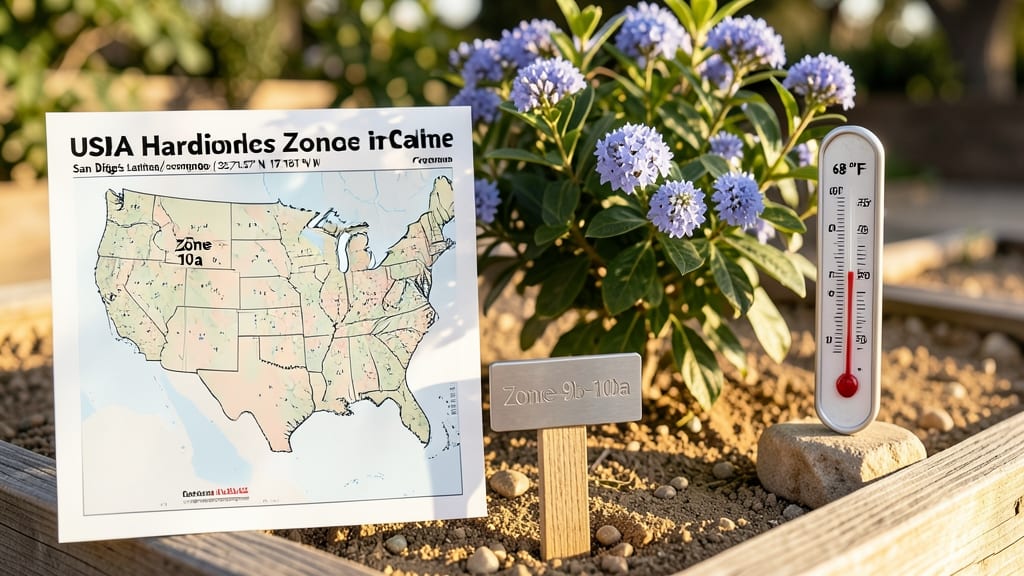
San Diego, CA, falls within USDA Hardiness Zones 10a (30–35°F) and 10b (35–40°F), creating a frost-free paradise for year-round gardening with Mediterranean warmth perfect for citrus, succulents, and tropical plants.
This classification means your garden can thrive with minimal winter stress, thanks to San Diego's mild temperatures and coastal breezes that prevent hard freezes. 🌿 The Mediterranean climate—warm, dry summers and cool, damp winters—makes it ideal for drought-resistant plants like lavender and bougainvillea, while the rare frost events (usually below 30°F) only occur in inland areas.
Coastal regions like La Jolla stay even warmer, extending the growing season for heat-loving plants like citrus and olive trees.
Understanding these zones helps you choose plants that won't struggle with occasional cold snaps or summer heatwaves. For example, while Zone 10b can handle slightly warmer nights, Zone 10a plants might need extra protection during rare cold spells.
The key is selecting varieties bred for these specific temperature ranges—like frost-hardy citrus or heat-tolerant succulents—to ensure your garden stays vibrant year-round.
💡 In This Article
- How San Diego’s Climate Affects Plant Survival
- Best Plants for San Diego’s USDA Zone 10a-10b Gardens
How San Diego’s climate affects plant survival
San Diego’s classification as USDA Zones 10a and 10b stems from its unique Mediterranean climate, where winter lows rarely drop below 30°F and summers stay consistently warm. The coastal influence creates microclimates—areas like La Jolla average 5°F warmer than inland regions, thanks to ocean breezes that moderate temperatures.
This stability eliminates the frost risks that challenge gardens in colder zones, allowing tropical plants like citrus trees and hibiscus to thrive year-round without protection.
The dry summers and mild winters also reduce soil moisture stress, making drought-tolerant plants like succulents and olive trees ideal choices. Unlike inland Southern California areas (e.g., Palm Springs, Zone 11a), San Diego’s coastal fog and humidity create a slightly cooler environment, which benefits heat-sensitive plants.
For example, bougainvillea flourishes here because it tolerates both coastal breezes and occasional summer heatwaves up to 95°F, while inland zones would require more frequent watering.
Even within Zone 10a-10b, elevation plays a role—higher areas like La Jolla (sea level) stay frost-free, while foothills near Ramona may dip closer to 30°F during rare cold snaps.
This is why frost-hardy citrus varieties (e.g., Satsuma mandarins) are preferred over delicate Valencia oranges, which struggle below 32°F. The key takeaway: coastal zones offer broader plant options, while inland microclimates demand slightly more cold-resistant selections.
Heat tolerance is equally critical—summer afternoons can exceed 85°F, stressing plants unaccustomed to prolonged warmth. Lavender, for instance, thrives in San Diego’s 10a-10b zones because it handles dry heat and poor soil, whereas roses (common in Zone 8a) often wilt without afternoon shade.
The solution? Pair heat-lovers like aloe vera with shade-tolerant fuchsias to balance your garden’s exposure.
Seasonal shifts matter too—winter rains (November–March) recharge soil, while summer droughts (June–September) test drought resistance. Native California plants, such as coyote brush or toyons, have evolved to handle these cycles, making them low-maintenance workhorses.
Even non-natives like rosemary and thyme prosper because they’re adapted to similar climates in the Mediterranean.
For gardeners, this means year-round planting is possible, but timing still matters. Spring (March–May) is ideal for vegetables like tomatoes, while fall (September–November) suits bulbs and perennials. The rare frost risk?
Monitor forecasts for Tehachapi Wind events, which can push temps below 30°F—a good reminder to mulch vulnerable plants or cover them with frost cloth.
Why does this matter? Because San Diego’s climate isn’t just about warmth—it’s about predictability. Unlike zones with extreme swings (e.g., Zone 5), your garden can focus on drought resilience and heat adaptation rather than frost protection. That’s the power of 10a-10b: fewer surprises, more possibilities. 🌵