
Container Gardens
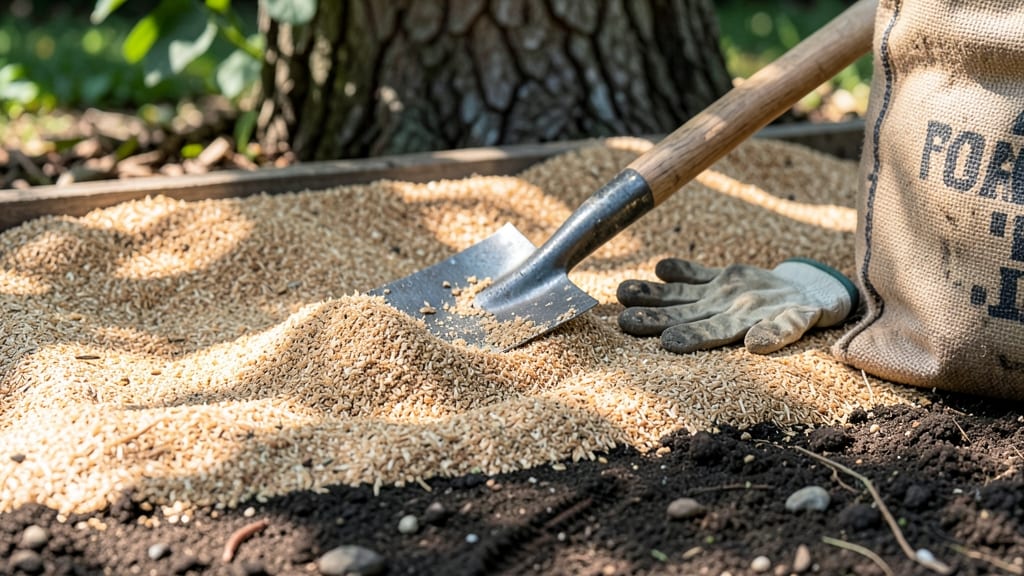
Using sawdust in garden improves soil aeration and moisture retention while adding organic matter, but it must be aged or composted first to avoid nitrogen depletion and fungal risks for plants. Apply sparingly as a top layer or mix into soil.
Sawdust acts like a slow-release soil conditioner when properly prepared, breaking down to create air pockets that help roots breathe. 🌱 The key is patience—fresh sawdust ties up nitrogen as microbes decompose it, which can stunt plant growth.
I've found that pre-composting for 3-6 months transforms it into a valuable amendment, especially for acid-loving plants like blueberries or azaleas. For container gardens, mix it into the bottom layer first to prevent compaction.
This approach mimics natural forest floor conditions where fallen wood gradually enriches the soil. The carbon-to-nitrogen ratio shifts over time, making aged sawdust a boon rather than a burden. Just remember: never use treated wood sawdust, as the chemicals can harm plants and soil microbes.
For best results, combine with compost or well-rotted manure to balance the soil ecosystem.
💡 In This Article
- How Sawdust Affects Soil Health and Plant Growth
- Best Practices for Applying Sawdust to Garden Beds
How sawdust affects soil health and plant growth
When you add sawdust to garden soil, you're essentially introducing a high-carbon material that changes the soil's microbial ecosystem. Fresh sawdust has a carbon-to-nitrogen ratio of about 400:1, which is extremely high compared to healthy soil's ideal 20:1 ratio.
This imbalance forces microbes to compete for nitrogen in the soil, temporarily robbing plants of this essential nutrient. 🌱 The decomposition process also creates heat as microbes break down the cellulose and lignin, potentially reaching temperatures up to 140°F in concentrated piles.
The good news is that as sawdust ages—either through composting or exposure to air and moisture—this ratio gradually shifts toward balance. After 3-6 months of proper composting, the carbon-to-nitrogen ratio drops to around 30:1, making it much safer for plants.
During this time, the sawdust physically breaks down into smaller particles, creating microscopic air pockets that improve soil aeration by up to 30% compared to untreated soil. These air channels help roots access oxygen while also enhancing water infiltration.
For plants, this transformation means the difference between stunted growth and thriving roots. The fibrous structure of aged sawdust creates a loose, crumbly soil texture that mimics the natural forest floor environment. This is particularly beneficial for plants with shallow root systems like strawberries or herbs.
The sawdust also acts as a slow-release carbon source, feeding beneficial fungi and bacteria that improve nutrient cycling over time. 🌿 However, the key is patience—rushing the process by using fresh sawdust can create what gardeners call a "sawdust burn," where nitrogen deficiency causes yellowing leaves and poor growth.
One fascinating aspect is how sawdust affects moisture dynamics. The fibrous particles create capillary spaces that hold water near roots while allowing excess to drain away. This moisture retention can reduce watering needs by 15-20% compared to sandy soils.
The sawdust also helps prevent soil compaction, which is especially valuable in container gardens where soil can become dense over time. For example, mixing 10-20% aged sawdust into potting mix creates an ideal growing medium for acid-loving plants like blueberries or gardenias.
There's also a chemical dimension to consider. As sawdust decomposes, it releases organic acids that can slightly lower soil pH, making it beneficial for acidophilic plants.
The pH shift is typically modest (around 0.5-1.0 units), but when combined with other organic amendments, it creates the perfect environment for plants that prefer slightly acidic conditions.
This natural acidification process is why sawdust works so well in raised beds dedicated to ericaceous plants. 🌿 The gradual release of organic compounds also stimulates mycorrhizal fungi, which form symbiotic relationships with plant roots to enhance nutrient uptake.
What most gardeners don't realize is how sawdust affects soil structure at the microscopic level. The cellulose fibers create a network of pores that improve both water and air movement through the soil profile. This structural improvement is particularly valuable in heavy clay soils where drainage is poor.
When incorporated properly, sawdust can transform compacted clay into a more friable, workable medium. The key measurement here is the soil's porosity, which should ideally reach 40-60% for optimal root development.
The contrast between fresh and aged sawdust couldn't be more dramatic. Fresh sawdust acts like a nitrogen vacuum, while properly aged sawdust becomes a soil enhancer that improves both physical and biological properties.
This transformation is why many professional growers maintain separate piles of fresh and aged wood waste—it's the difference between a potential problem and a valuable soil amendment. 🌱 The science behind this process shows how something as simple as wood shavings can become a powerful tool in the gardener's toolkit when used with understanding.