
Pests
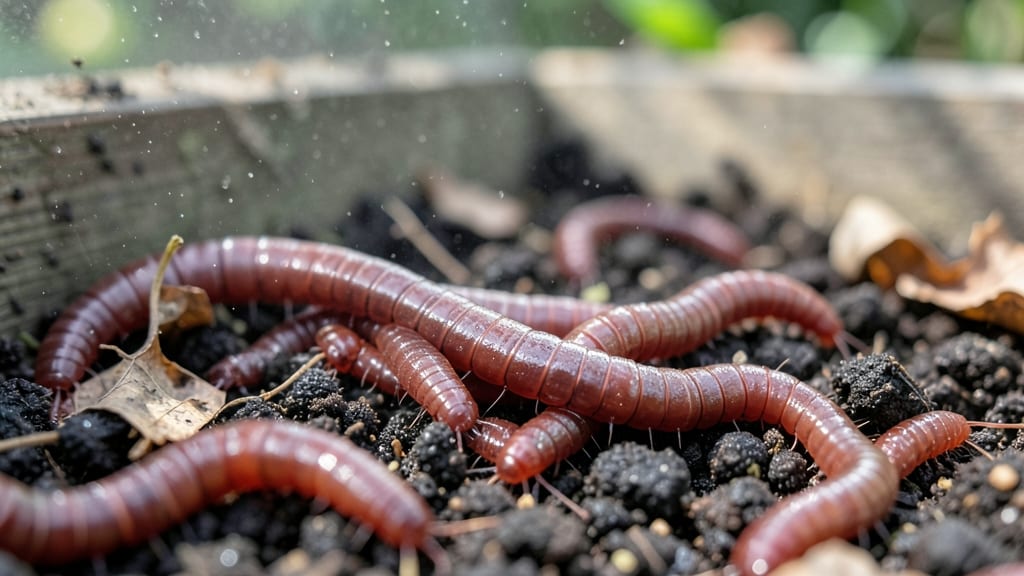
Adding worms to your raised garden bed is beneficial because they enhance soil aeration, accelerate nutrient breakdown, and promote healthier plant roots, but introducing too many can create pH imbalances or attract unwanted pests. For best results, start with 1-2 pounds of compost worms per 100 square feet in well-drained, moist soil.
Worms act like nature's plow and composters, tunneling through soil to create air pockets while converting organic waste into nutrient-rich castings. 🔥 These castings release essential minerals gradually, feeding plants more efficiently than synthetic fertilizers.
However, their effectiveness depends on maintaining ideal conditions—soil moisture between 60-80% and temperatures above 50°F. Nightcrawlers are better for digging, while red wigglers excel at processing kitchen scraps, so choose based on your garden's specific needs.
Introducing worms requires patience and observation. Start by adding them to a shaded corner of your bed with a mix of leaf litter or shredded newspaper for bedding. Monitor their activity—if you see too many surface worms, your soil may be too dry or compacted.
Overcrowding can also lead to competition, reducing their benefits, so adjust quantities based on your bed's size and existing organic matter.
💡 In This Article
- How Earthworms Benefit Raised Garden Soil Health
- Step-by-Step Guide to Introducing Worms Safely
How earthworms benefit raised garden soil health
Earthworms function as living soil engineers, creating intricate tunnel networks that improve drainage and root penetration. Their burrowing aerates compacted soil, allowing oxygen to reach plant roots up to 10 inches deep—critical for nutrient absorption.
Studies show beds with active worms can see a 30-50% increase in root growth compared to untreated soil, thanks to this enhanced airflow and water infiltration. 🔥 The worms' digestive process also breaks down organic matter into nutrient-dense castings, which contain five times more nitrogen, phosphorus, and potassium than the original material.
The magic happens through microbial collaboration. Worms ingest soil and organic debris, then excrete castings rich in beneficial bacteria and fungi. These microbes form symbiotic relationships with plant roots, creating a feedback loop where roots release sugars that feed the microbes, while the microbes make nutrients more accessible.
The ideal worm environment requires 60-80% soil moisture (like a wrung-out sponge) and temperatures between 50-77°F—too dry or too hot shuts down their activity completely. Their castings also contain growth hormones like auxins that stimulate seed germination and plant development.
For raised beds, this means fewer synthetic fertilizers and less watering. I've seen tomato plants in worm-enhanced beds produce 20% more fruit with 30% less watering frequency because the improved soil structure retains moisture better.
The worms' tunneling also prevents soil compaction from foot traffic, which is especially valuable in raised beds where space is limited and every inch of root access matters. Their presence reduces the need for tilling, which can disrupt beneficial soil microbes.
However, not all worms are created equal. Red wigglers (Eisenia fetida) thrive in compost systems and process kitchen scraps efficiently, while nightcrawlers (Lumbricus terrestris) excel at deep soil aeration. Mixing both species can create a balanced ecosystem—wigglers handle surface organic matter while nightcrawlers improve drainage at depth.
The key is matching their strengths to your bed's specific needs, whether it's heavy clay that needs aeration or sandy soil needing moisture retention. 💫
One often-overlooked benefit is pest control. Worms consume harmful pathogens and weed seeds in their digestive tract, effectively sterilizing soil. Their presence also deters some soil-dwelling pests like cutworms, as the worms compete for the same food sources.
This natural pest suppression reduces the need for chemical interventions, creating a healthier growing environment overall. The worms' activity even helps prevent soil-borne diseases by maintaining proper oxygen levels.
To maximize these benefits, maintain a 1:1 ratio of worms to organic matter—for every pound of worms, provide 2-3 pounds of shredded leaves or compost. Too much organic matter can create anaerobic pockets where worms suffocate, while too little leaves them with nothing to process.
The goal is creating a self-sustaining system where worms and plants support each other's growth cycles. ✨