
Pests
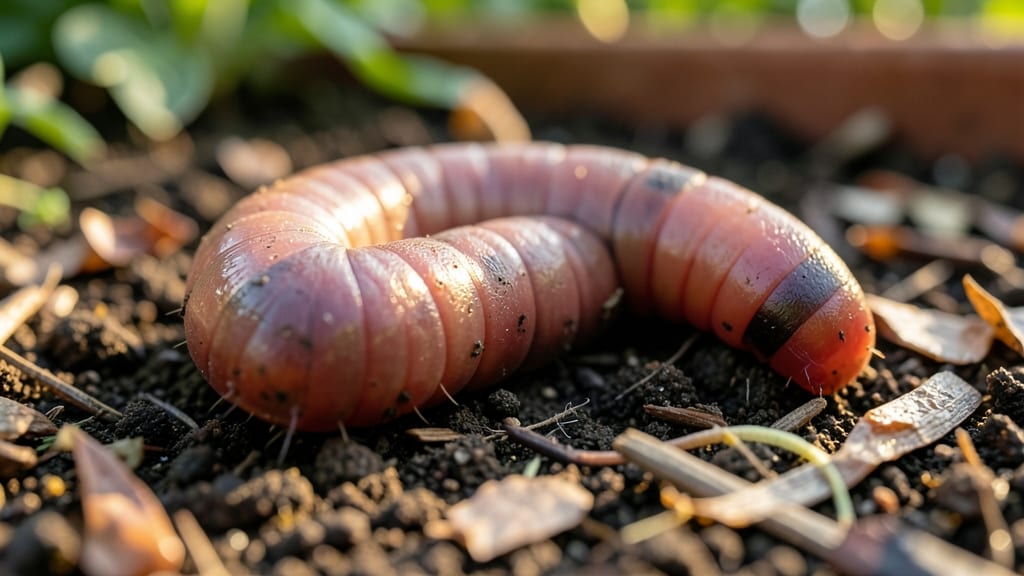
You should put worms in your garden to boost soil quality by naturally aerating it, decomposing organic waste, and enhancing nutrient availability—but you should avoid introducing too many or non-native species that could harm local ecosystems.
Worms act as nature’s soil engineers, creating tunnels that improve drainage and root growth while converting organic waste into nutrient-rich castings. 🌱 These tiny helpers also stimulate beneficial microbes, which further strengthen plant health.
However, their effectiveness depends on proper conditions—too much heat, drought, or chemical exposure can stress them out. I’ve found that a balanced approach, like using red wigglers in compost bins or under mulch, yields the best results without disrupting your garden’s natural balance.
If you’re new to vermiculture, start small with a handful of worms in a shaded, moist area rich in organic matter. Monitor their activity by checking for fresh castings and tunnels—these signs mean they’re thriving.
Just remember, worms thrive in harmony with local ecosystems, so always prioritize native species and avoid overpopulation.
💡 In This Article
- How Earthworms Improve Garden Soil Quality
- Best Ways to Add Worms to Your Garden Naturally
How earthworms improve garden soil quality
Earthworms act as natural plows and composters, transforming soil through their tunneling and digestive processes. Their burrows aerate compacted soil, creating channels that improve water infiltration by 30-40%—critical for root development. These tunnels also enhance microbial activity by providing pathways for oxygen and moisture, which accelerates nutrient cycling.
The worms themselves ingest organic matter, breaking it down in their guts and excreting nutrient-rich castings that contain 5x more nitrogen, phosphorus, and potassium than regular soil.
The magic happens at a microscopic level. Worms' digestive enzymes convert complex organic compounds into simpler forms plants can absorb, like amino acids and soluble sugars. Their castings also contain beneficial bacteria and fungi that further decompose organic material.
For example, a single worm can process up to half its body weight in organic matter daily, turning kitchen scraps into fertile soil. This process reduces the need for chemical fertilizers while creating a more sustainable growing environment.
Beyond nutrients, worms improve soil structure by binding particles together with mucus and casting secretions. This creates granular aggregates that hold moisture better during droughts while preventing compaction from heavy foot traffic. Studies show gardens with active worm populations experience 20-30% faster plant growth due to these combined factors.
The key is maintaining ideal conditions—worms thrive in slightly acidic to neutral soil (pH 6-7) with consistent moisture and shade from direct sunlight.
However, not all worms are equal. Native species like Lumbricus terrestris (nightcrawlers) excel at deep tunneling, while Eisenia fetida (red wigglers) specialize in surface composting. Introducing non-native species can disrupt local food chains or outcompete beneficial insects.
Always research your region's native worms before adding them to your garden—this ensures ecological balance while maximizing soil benefits.
One common misconception is that more worms equal better results. Overpopulation leads to competition for food and oxygen, causing worms to leave or die. A healthy garden typically supports 1-2 worms per square foot in the top 6 inches of soil.
You'll know you have the right balance when you see fresh castings (small dark granules) and earthworm tunnels after rain—signs of an active, thriving ecosystem.
For visible proof, try planting a test crop like radishes or lettuce in worm-enriched soil versus regular soil. The difference in growth speed and leaf density often becomes apparent within 2-3 weeks. This hands-on approach helps you gauge how effectively the worms are working in your specific garden conditions.