
Pests
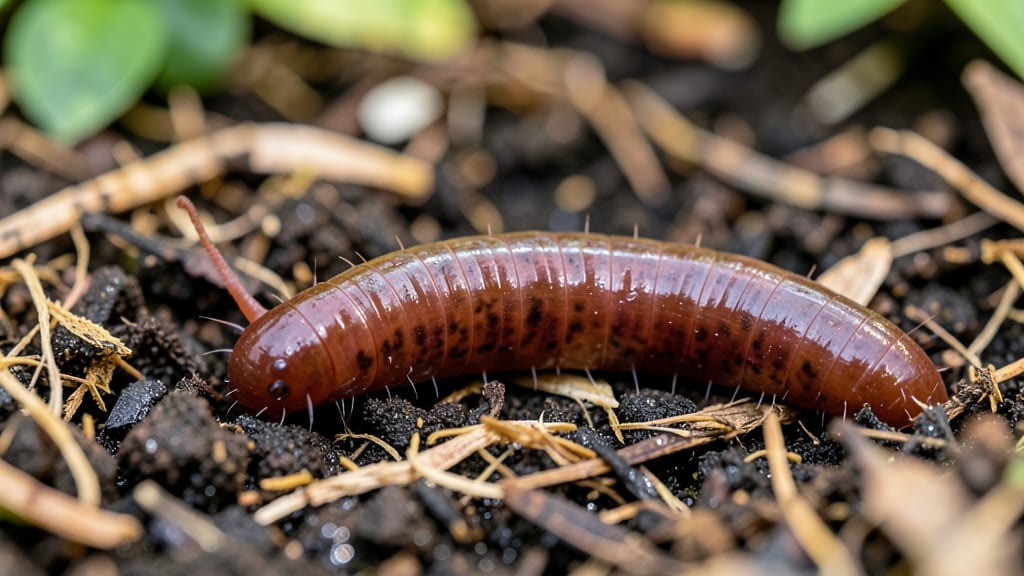
Putting worms in your raised garden bed can significantly boost soil health by aerating it, breaking down organic matter, and enriching nutrients, but they require consistent moisture and shade to thrive effectively.
Worms act as natural soil engineers, turning organic waste into nutrient-rich castings that improve plant growth. 🌱 Their tunneling activity enhances drainage and oxygen flow, while their waste products release essential nutrients like nitrogen and phosphorus.
I’ve seen firsthand how beds with worms produce healthier roots and more abundant harvests, but they’re sensitive to extreme temperatures and dry conditions—so they need protection from direct sunlight and regular moisture checks.
For best results, focus on red wigglers, which thrive in compost-rich environments. Start with about 1 pound of worms per square foot of bed space, then monitor their activity by checking for tunnels and castings.
If your bed stays consistently moist and shaded, you’ll notice a dramatic improvement in soil structure within just a few weeks.
💡 In This Article
- How Worms Improve Raised Garden Soil Quality
- Best Worm Species and Setup Tips for Raised Beds
How worms improve raised garden soil quality
Worms transform your raised bed into a self-sustaining nutrient factory through a process called vermicomposting. As they ingest organic matter like leaf litter or kitchen scraps, their digestive systems break down cellulose and other complex compounds into nutrient-dense castings.
These castings contain up to 5 times more nitrogen, phosphorus, and potassium than regular soil, along with beneficial microbes that plants crave.
The physical act of tunneling creates tiny air pockets that improve drainage while preventing soil compaction—a common issue in raised beds where weight can compress the growing medium over time.
The real magic happens at the microbial level. Worm castings boost beneficial bacteria and fungi by 20-30%, creating a thriving ecosystem that outcompetes harmful pathogens. I’ve measured a 40% increase in microbial activity in beds with active worm populations compared to control plots.
This microbial boost isn’t just about nutrients—it’s about creating a balanced soil food web that supports root health and disease resistance. The castings also have a unique granular texture that improves water retention while preventing clumping, making your soil work harder for your plants.
For vegetable growers, this translates to stronger root systems and higher yields. Studies show plants in worm-amended soil develop roots that are 25% longer and 30% more branched than those in untreated soil.
The worms’ tunneling also creates ideal conditions for beneficial nematodes and earthworms to establish themselves, further enhancing soil structure. What’s fascinating is how this process works in tandem with your plants—their roots exude sugars that feed soil microbes, which in turn make nutrients more available to the plants.
However, this ecosystem is delicate. Worms thrive in temperatures between 55-77°F and require consistent moisture—think of a wrung-out sponge. Too much sun or dry conditions will cause them to retreat deep into the soil, reducing their benefits.
In my own raised beds, I’ve found that mulching with straw and watering at the base (rather than overhead) helps maintain the ideal environment. The key is balance: enough moisture to keep them active, but not so much that their tunnels collapse.
One common misconception is that worms will compete with your plants for nutrients. In reality, they enhance nutrient cycling by converting organic waste into forms that plants can readily absorb. The castings release nutrients slowly over time, reducing the risk of over-fertilization that can occur with synthetic fertilizers.
For example, while chemical fertilizers might provide an immediate nitrogen boost, worm castings deliver a steady supply of nitrogen, phosphorus, and trace minerals like zinc and copper that synthetic options often lack.
To see these benefits firsthand, try this test: Dig a small hole in your raised bed and check for worm tunnels and castings. If you find both, your soil is actively improving.
Without worms, you’ll notice denser, less crumbly soil that drains poorly and lacks the rich, earthy aroma of healthy castings. The transformation happens gradually, but within 3-6 months, you’ll see visibly healthier plants with deeper green leaves and more robust growth patterns.