
Tools
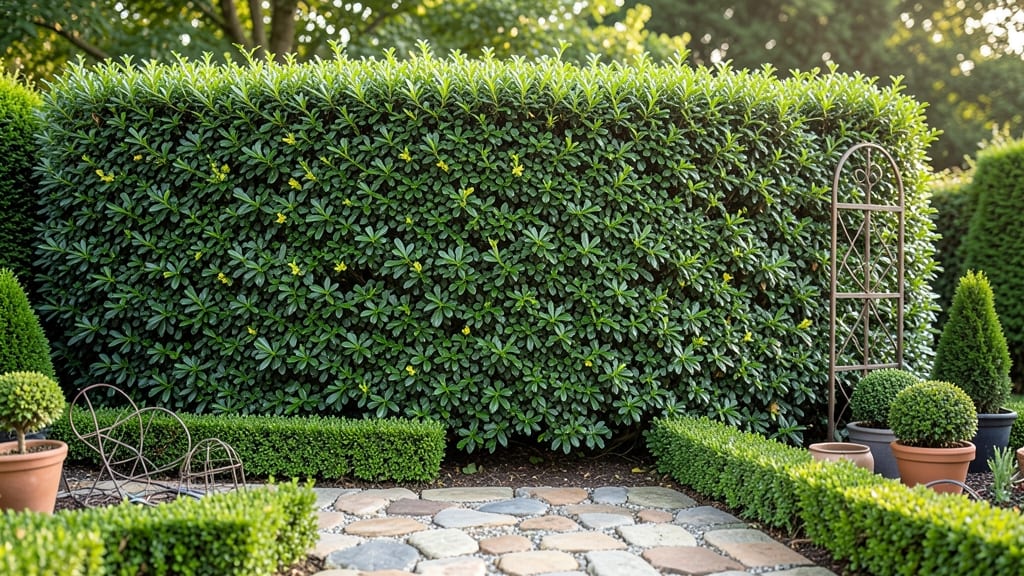
Creating a small formal garden means embracing structured layouts, symmetrical pathways, and precise geometric plant beds to create a polished look in limited space. Opt for low-maintenance perennials, neatly trimmed boxwood hedges, and tiered terraces to add dimension without sacrificing elegance.
A small formal garden isn't about sacrificing style for size—it's about working with what you have. Symmetry and axial lines (like straight pathways or mirrored plantings) instantly create that grand, classical feel, even in 100 square feet. 💫 Think of your space as a blank canvas: a simple rectangular bed with boxwood borders or a circular parterre with lavender at the center can become a stunning focal point.
The key is repetition—use the same pots, plants, or paving stones in pairs or multiples to reinforce that formal structure.
For plant selection, prioritize dwarf varieties and compact shrubs that stay neatly trimmed. Roses like 'Iceberg' or lavender 'Munstead' grow in controlled shapes, while boxwood hedges can be sculpted into geometric forms. Vertical elements—like espaliered fruit trees or trellises with climbing roses—add height without widening your footprint.
Even a single tiered fountain or ornamental urn can anchor the design and draw the eye upward, making your garden feel grander than it is.
💡 In This Article
- Design Principles for Small Formal Gardens
- Space-Saving Plant Layouts for Formal Gardens
Design principles for small formal gardens
Formal gardens rely on three core principles: symmetry, axial lines, and visual hierarchy. Symmetry creates balance—mirroring plants or pathways on either side of a central axis instantly elevates a small space to grand proportions.
For example, a 10-foot-long rectangular bed with boxwood hedges on both sides and a gravel pathway down the middle achieves this effect without requiring extra square footage. The human brain perceives symmetry as orderly and refined, which is why even a 6-foot-wide garden can feel expansive when designed this way.
Axial lines act as visual guides that lead the eye through your garden. In tight spaces, use straight pathways (like 3-foot-wide flagstone strips) to create a sense of depth.
Pair this with a single focal point—such as a small statue, tiered fountain, or topiary ball—placed at the end of the axis. This technique works because our eyes naturally follow straight lines, making the space feel longer.
For instance, a 5-foot-tall urn centered at the far end of a 12-foot pathway can make a 20-square-foot area feel like a grand entrance.
The role of focal points cannot be overstated. In formal gardens, these elements—whether a bronze sculpture, ornamental fountain, or neatly pruned topiary—serve as the "exclamation point" of your design.
For small spaces, choose focal points that are scaled appropriately: a 18-inch-tall vase with boxwood topiaries works better than a life-sized statue. The key is contrast—pair a dark green boxwood hedge with a gold or bronze statue to create visual interest without overwhelming the space.
This contrast also adds texture, making your garden feel more dynamic.
Repetition reinforces the formal aesthetic. Use the same pots, plant varieties, or paving stones in multiples to create rhythm. For example, place three identical terracotta pots along a pathway, each holding a dwarf lavender bush.
This repetition trains the eye to follow a pattern, making the space feel intentional and polished. Even in a 5-foot-wide garden, this technique can make the area feel cohesive and well-designed.
The human eye is drawn to patterns, so consistency in plant spacing (12-18 inches apart) and height (2-3 feet tall) enhances the formal look.
Lighting plays a subtle but powerful role in small formal gardens. Install low-voltage path lights along pathways or spotlights to highlight focal points. For instance, a single uplight angled toward a topiary ball can make it glow at night, adding depth and drama.
This works because lighting creates contrast—dark shadows against illuminated plants draw the eye and make the space feel larger. Choose fixtures that match your garden's color palette (e.g., black or bronze for a classic look) to maintain visual harmony.
Finally, consider the scale of hardscaping. In small spaces, use narrow gravel paths (2-3 feet wide) and compact paving stones (12x12 inches) to avoid overwhelming the area. These elements should complement, not compete with, your plants.
For example, a 3-foot-wide flagstone path bordered by boxwood hedges creates a sense of order without taking up valuable growing space. The key is to keep everything proportional—if your plants are 2-3 feet tall, your pathways and structures should be similarly sized to maintain balance.