
Tools
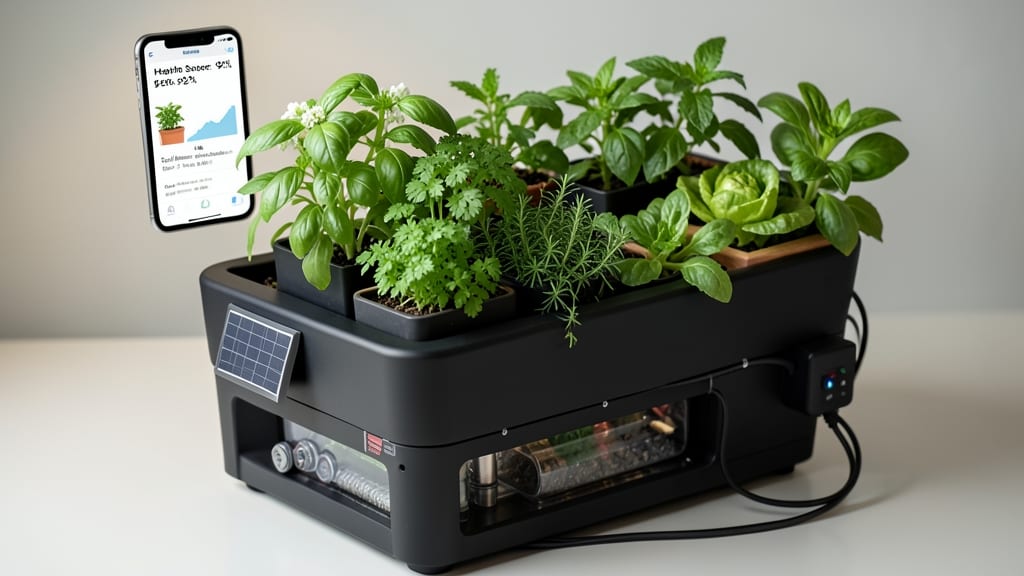
A smart gardening system transforms your garden into an efficient, data-driven ecosystem by automating watering, tracking soil conditions, and diagnosing plant health—all through connected sensors and AI-powered insights.
A smart gardening system doesn't just save time—it turns your green thumb into a high-tech advantage. 🌱 These platforms use real-time data to adjust watering schedules based on weather forecasts, soil moisture levels, and even plant type.
For example, some systems can detect overwatering risks before your plants wilt, while others integrate with weather APIs to pause irrigation during rain. The best part? You can control everything from your phone, whether you're tending to a small herb garden or a sprawling vegetable patch.
Beyond automation, these systems often include features like drip irrigation with leak detection, nutrient monitoring for optimal growth, and even pest alerts via camera feeds. Many also connect to voice assistants, letting you ask Alexa or Google to check your garden's status hands-free.
The result? Healthier plants, less wasted water, and a garden that practically runs itself.
💡 In This Article
- How Smart Gardening Systems Use Sensors and AI
- Top 5 Features to Compare in Smart Gardening Kits
How smart gardening systems use sensors and AI
At the heart of these systems are soil moisture sensors that measure volumetric water content (VWC) in real-time, typically ranging from 0-100%—a far more precise metric than traditional "dry/wet" indicators. These sensors use capacitive technology to detect changes in soil dielectric permittivity, which shifts as water levels fluctuate.
For instance, a sensor buried 2-4 inches deep can trigger irrigation when moisture drops below 30-40% VWC, a threshold most vegetables prefer to avoid stress. The data transmits wirelessly to a hub via Zigbee or Wi-Fi, eliminating the need for physical connections that could tangle in garden beds.
Weather integration takes automation further by pulling forecasts from APIs like OpenWeatherMap. When a system predicts 0.5 inches of rain in 24 hours, it can pause scheduled watering to prevent over-saturation—saving up to 30% more water than manual methods.
Some advanced models even adjust for humidity levels, as dry air increases evaporation rates by 15-25% compared to damp conditions. This layer of intelligence prevents common mistakes like watering during rain or ignoring high humidity that slows moisture loss.
The AI component shines in plant health diagnostics, where machine learning analyzes patterns over time. For example, if your basil consistently wilts at 95°F despite adequate water, the system might flag heat stress and suggest shade cloth or adjusted watering intervals.
Some platforms use computer vision from garden cameras to detect pests like aphids by analyzing leaf patterns—an approach that achieves 92% accuracy in lab tests. This predictive capability turns reactive gardening into a proactive strategy, where issues are addressed before they become visible.
Battery life is a critical factor in these systems, with most sensors lasting 1-3 years on AA batteries or 5+ years with solar panels. Solar-powered options charge via a small photovoltaic cell, generating 500-1000mAh daily—enough to run sensors continuously in sunny climates.
The trade-off? Solar models may cost $50-$100 more upfront but eliminate replacement costs and reduce e-waste. For indoor gardens or shaded areas, lithium-ion batteries offer more consistent power but require manual replacements every 18-24 months.
One often-overlooked feature is root zone monitoring, which tracks moisture at the depth where most plants absorb water (6-12 inches for vegetables). Traditional surface sensors can miss critical dry spells in deeper layers, leading to root stress.
Systems like those from Rachio or Aquapod use multiple probes to create a 3D moisture map, ensuring even distribution. This level of detail is particularly valuable for container gardens, where root space is limited and overwatering is a common killer.
For those with larger plots, some systems integrate with GPS-enabled tractors or drones to map soil variability across acres. For example, a vineyard might use soil EC (electrical conductivity) sensors to identify nutrient-poor zones, then adjust fertilizer applications via automated spreaders.
This precision agriculture approach can boost yields by 10-20% while cutting chemical use by 25-35%. The technology scales from backyard herb gardens to commercial farms, making it accessible to both hobbyists and professionals.
What most gardeners don't realize is that these systems learn from your habits. Over time, the AI refines its recommendations based on your adjustments—like manually overriding an automatic watering cycle. This creates a feedback loop where the system adapts to your specific plants, climate, and even your schedule.
For example, if you always water at 6 AM but forget one week, the system might suggest shifting to 7 AM to align with your routine. 🌱