
Tools
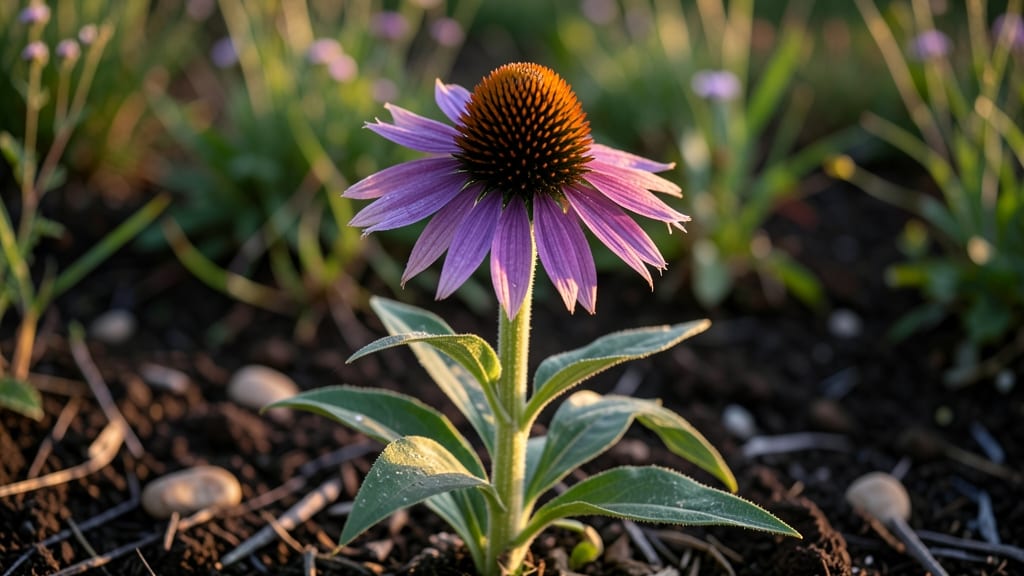
A Sunset Western Garden creates stunning visuals while thriving in dry climates by combining native shrubs like California buckwheat and deer grass with succulents such as agave and sedum. These drought-tolerant plants deliver bold textures and seasonal blooms with minimal watering needs.
A Sunset Western Garden isn't just about surviving drought—it's about celebrating the region's natural beauty with minimal effort. 🌵 The key lies in pairing evergreen shrubs like manzanita with colorful succulents that store water efficiently, creating dramatic height variations.
I've found that adding California poppies in spring brings vibrant pops of color without requiring extra irrigation once established. The real magic happens when you combine these plants with strategic mulching and gravel pathways to conserve moisture while enhancing the desert-inspired aesthetic.
What makes this approach particularly rewarding is how these plants support local ecosystems while reducing your water bill. The deep roots of native species prevent soil erosion, and their natural resistance to pests means fewer chemicals needed.
For best results, I recommend grouping plants with similar water needs together and placing thirstier varieties near drip irrigation lines if available.
💡 In This Article
- Why Native Plants Excel in Western Sunset Gardens
- Designing a Low-Water Sunset Garden Layout
Why native plants excel in Western sunset gardens
Native plants like California buckwheat and manzanita have evolved over millennia to thrive in the region's dry, sunny conditions. Their deep root systems—often extending 6-10 feet—tap into groundwater sources that shallow-rooted non-natives can't access.
For example, manzanita roots can reach 15 feet deep, making them incredibly drought-resistant once established. This natural adaptation means they require 30-50% less water than ornamental grasses or imported shrubs after the first year.
The real advantage lies in their symbiotic relationships with local soil microbes. Native plants develop mutualistic partnerships with mycorrhizal fungi that enhance nutrient uptake while improving soil structure. Deer grass, for instance, forms dense sod that suppresses weeds naturally.
These plants also produce nectar for native pollinators like hummingbirds and bees, creating a self-sustaining ecosystem. 🌿 The contrast with non-native species is striking—many require regular fertilizing and irrigation to compensate for their lack of these natural relationships.
Pest resistance is another game-changer. Native plants have co-evolved with local insects, meaning they've developed natural chemical defenses that repel pests without needing pesticides. California buckwheat, for example, contains compounds that deter aphids and spider mites.
This eliminates the need for chemical treatments that can harm beneficial insects and soil microbes. The result is a garden that maintains its beauty with minimal intervention, unlike non-native plants that often become pest magnets.
Water efficiency becomes particularly apparent when comparing native plants to their non-native counterparts. A study by the University of California found that established native gardens use 50-70% less water than traditional lawns.
The deep roots of plants like manzanita create microclimates that reduce evaporation, while their waxy leaves minimize water loss through transpiration. This natural efficiency translates directly to lower water bills and reduced strain on local water supplies during droughts.
For visual impact, native plants offer year-round interest through varied textures and seasonal blooms. California buckwheat's papery seed heads provide winter structure, while its spring flowers attract pollinators. Manzanita's evergreen foliage maintains color through all seasons, and its peeling bark adds dramatic visual interest.
The combination of these elements creates the signature "sunset" look—warm tones that glow in the evening light without requiring high-maintenance care.
What's often overlooked is how these plants improve soil health over time. Their deep roots break up compacted soil and bring up nutrients from lower layers. This natural soil aeration creates better conditions for other plants while reducing erosion.
The result is a garden that becomes more resilient with each passing year, requiring progressively less water and maintenance. 🌅 This ecological harmony is what makes native plants the foundation of any successful Western garden.