
Fertilization
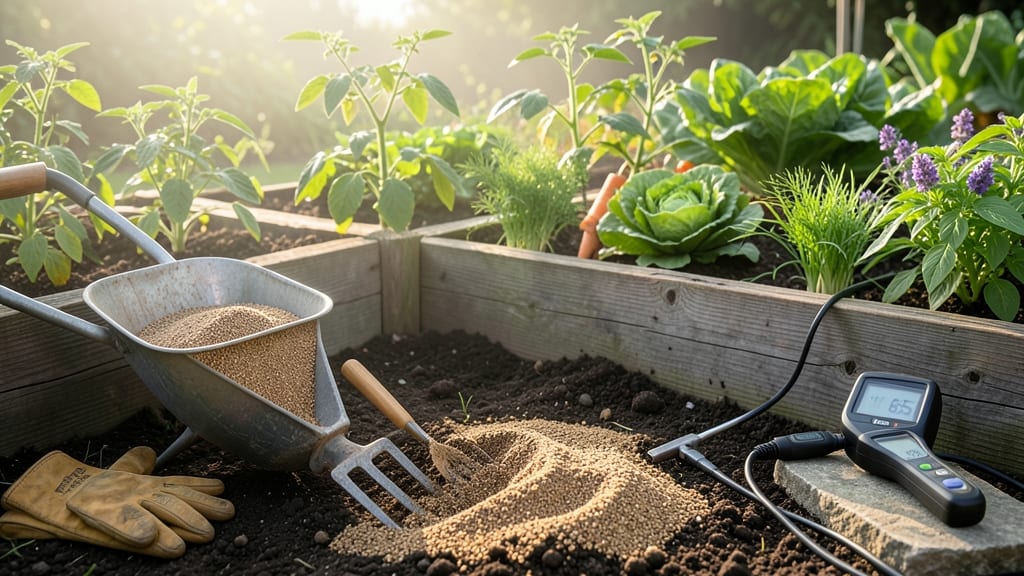
The best time to fertilize your garden depends on soil temperature and plant life cycles, not just the calendar—because feeding plants at the wrong moment can stress them or waste nutrients.
Picture this: you’ve spent weeks nurturing seedlings, only to apply fertilizer too early, when roots can’t absorb it. Or you wait too long, and your tomatoes never set fruit. The difference between these outcomes? Knowing when your plants are ready to use nutrients—not just guessing by the month.
In this guide, I’ll break down the exact soil temperatures that signal “go time” for feeding, the growth stages that demand extra nutrients, and the seasonal mistakes that even experienced gardeners make. Whether you’re growing veggies, flowers, or lawns, timing is everything.
You’ll learn how to fertilize before planting for stronger starts, when to boost blooms or fruit, and why skipping fertilizer in winter actually helps your soil. No more second-guessing—just science-backed scheduling for a thriving garden.

Soil temperature triggers: the exact conditions for fertilizing
Fertilizing your garden at the wrong time is like throwing money into a black hole—nutrients get wasted, and your plants stay hungry. The real secret? Soil temperature determines when roots can actually absorb nutrients.
Most plants need soil to warm up to 50°F (10°C) or higher before feeding, but warm-season crops demand even more heat.
Cool-season crops like spinach and broccoli can tolerate cooler soils down to 45°F (7°C), while warm-season favorites such as tomatoes and peppers need soil at least 65°F (18°C) to thrive. Ignoring these thresholds means wasted fertilizer and stressed plants.
Here’s the golden rule: Always check soil temperature 1 inch deep (where most roots feed) before fertilizing. A simple soil thermometer makes this easy—no guesswork!
For warm-season crops, wait until soil hits 65°F (18°C)—any earlier, and roots won’t absorb nutrients efficiently. I once fertilized my tomato plants too early in spring, and they just sat there looking sad until the soil warmed up.
If you’re in Zone 5 or colder, aim for late May or early June to fertilize warm-season crops. In Zones 7-10, you can start as early as March or April, depending on microclimates. Always adjust for shady spots, which stay cooler longer.
Organic fertilizers like compost or fish emulsion break down slower, so they’re safer for cooler soils. Synthetic fertilizers release nutrients fast—ideal for warm soil but risky if applied too early. Think of it like a slow-cooker vs. microwave for plant feeding!
Pro tip: Mulch your garden beds to help soil warm up faster in spring. A 2-inch layer of straw or wood chips can raise soil temps by 5-10°F (3-6°C) over a few weeks. This gives your warm-season plants a head start without waiting for Mother Nature.
Never fertilize when soil is waterlogged or frozen—roots can’t function, and nutrients leach away. Even in summer, avoid fertilizing during heatwaves (above 85°F/30°C
For container gardens, soil heats up faster. Check temps daily and fertilize when it reaches 60°F (15°C) for most annuals. Containers also dry out quicker, so pair fertilization with consistent watering to avoid nutrient burn.
Plant life-cycle fertilizing schedule: when to feed based on growth stages
Understanding when to fertilize your garden isn't about following a calendar—it's about matching nutrients to your plants' natural growth rhythms. Each stage—from tiny seedlings to flowering and fruiting—demands different nutrients. For example, nitrogen-heavy fertilizers boost leafy growth early, while phosphorus-rich blends support root and flower development later.
Even perennials and annuals have distinct schedules, so let's break it down by growth phase.
For vegetables like tomatoes or peppers, the critical windows are seedling emergence (light feed), flowering (balanced NPK), and fruiting (potassium boost). Ornamentals like roses follow a similar pattern but may need adjustments for dormancy periods.
The key is to avoid overfeeding during transitional stages, like when plants shift from vegetative to reproductive growth. This timing ensures nutrients are used efficiently, not wasted.
- 🌱 Seedling Stage (0-4 weeks): Light feed with high-nitrogen (e.g., 10-5-5) to build roots. When: 1-2 weeks after germination.
- 🌿 Vegetative Growth (4-8 weeks): Balanced NPK (e.g., 10-10-10) every 3-4 weeks. When: Pre-bloom, when leaves are actively growing.
- 🌸 Flowering Stage (8-12 weeks): Phosphorus boost (e.g., 5-10-10) to encourage blooms. When: Buds form; avoid nitrogen-heavy feeds.
- 🍅 Fruiting Stage (12+ weeks): Potassium-rich (e.g., 0-0-50) for fruit development. When: Early fruiting; reduce feed as harvest nears.
- 🌳 Dormancy (Winter): No fertilizer. When: After first frost; resume in spring.
Adjusting for annuals vs. perennials is simpler than you think. Annuals like marigolds or zucchini need consistent feeding every 3-4 weeks, while perennials like lavender or daylilies thrive on a single spring feed followed by a fall top-dressing.
The rule of thumb? Feed annuals aggressively during their short lifespan, but perennials benefit from lighter, more frequent applications to avoid root burn.
Vegetables and ornamentals also have unique needs. Leafy greens like spinach or kale love nitrogen-rich fertilizers early, while root crops (carrots, beets) need phosphorus to bulk up. For ornamentals, focus on phosphorus during bloom time—think roses or petunias.
Always water fertilizer in deeply to prevent leaf scorch, and avoid feeding during heatwaves or drought stress, as plants can't absorb nutrients efficiently.
One common mistake is fertilizing newly transplanted plants too soon. Wait 2-3 weeks to let roots establish before applying nutrients. Similarly, over-fertilizing before harvest can lead to bitter flavors in vegetables like lettuce or cucumbers.
For container gardens, use slow-release fertilizers to match the plant's growth cycle, as soil in pots drains faster and nutrients wash out.
By syncing your fertilization schedule with your plants' natural rhythms, you'll see healthier roots, bigger blooms, and sweeter produce—without the guesswork. Start with a soil test to identify deficiencies, then tailor your feedings to the stage.
Your garden will thank you with vibrant growth all season long! 🌿