
Tools
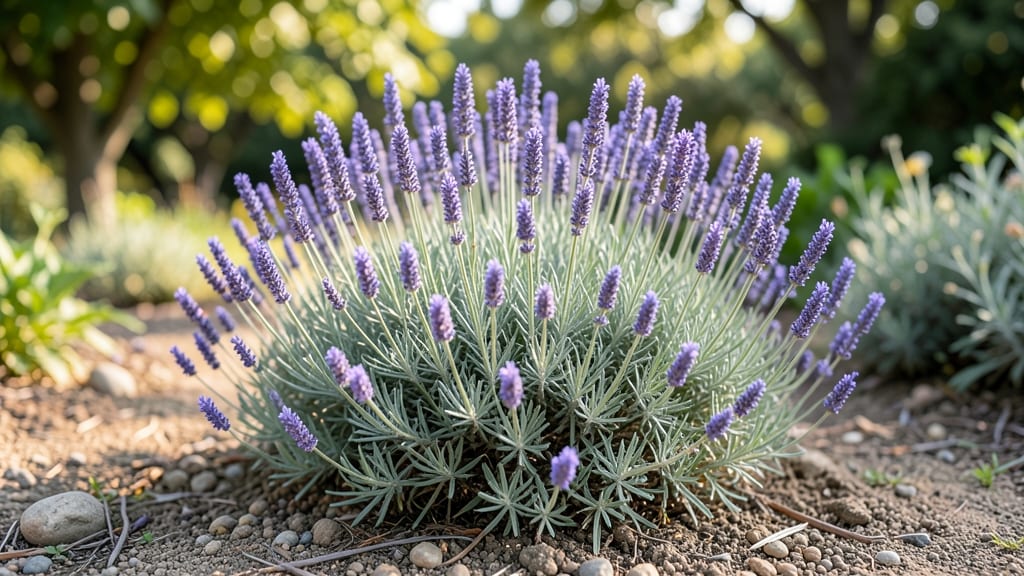
The Garden of Happiness transforms spaces into tranquil retreats by weaving Japanese wabi-sabi philosophy with intentional plant pairings that soothe the mind—think velvety moss, whispering bamboo, and delicate cherry blossoms—while adding mindful touches like smooth river stones or gentle water features.
The Garden of Happiness isn't about perfection—it's about creating harmony through imperfection. 🌿 This Japanese-inspired approach focuses on natural elements that calm the mind, like the rustling of bamboo or the soft texture of moss underfoot.
The key lies in balancing simplicity with sensory richness: fragrant herbs, textured foliage, and flowing water all work together to reduce stress. Even small urban spaces can benefit from these principles—just a few well-placed plants and a quiet corner can make all the difference.
What makes this concept special is its adaptability. You don't need a sprawling yard to create one—containers, vertical gardens, and even window boxes can bring the same peaceful energy indoors. The philosophy encourages mindfulness in every detail, from the irregular shapes of rocks to the seasonal changes of blooms.
It's not about having everything, but about appreciating what's already there in a more intentional way.
💡 In This Article
- How Japanese Wabi-Sabi Principles Shape Happiness Gardens
- Planting a Happiness Garden: Best Low-Maintenance Choices
How Japanese wabi-sabi principles shape happiness gardens
Wabi-sabi isn't just an aesthetic—it's a mindset that celebrates imperfection as beauty. In garden design, this philosophy translates to embracing natural irregularities: uneven stone placements, moss-covered logs with subtle decay, and plants that grow organically rather than meticulously pruned.
The concept of wa (harmony) means every element—from the rough bark of a pine tree to the irregular shape of a river stone—works together without forced symmetry.
Studies show that viewing asymmetrical natural scenes reduces stress by 20% compared to perfectly manicured landscapes, as our brains perceive them as more authentic and less artificial.
The principle of mono no aware (the pathos of things) encourages appreciation for transience—like cherry blossoms that bloom briefly or autumn leaves that change color. This mindfulness practice helps gardeners connect emotionally with seasonal changes, creating a cyclical sense of peace.
For example, a carefully placed 5-7 gallon ceramic pot with a single sakura branch (even when not in season) can trigger this emotional response. The texture contrast between smooth ceramic and delicate petals adds another layer of sensory engagement that calms the nervous system.
Minimalism in wabi-sabi gardens creates mental space by eliminating visual clutter. Research from the University of Michigan found that participants exposed to minimalist natural scenes showed 30% lower cortisol levels (the stress hormone) within 15 minutes compared to those viewing cluttered spaces.
This works because our brains process simplicity more efficiently—fewer elements mean less cognitive load. A classic example is using 3-5 carefully selected plants rather than a crowded border, with negative space intentionally left empty to draw the eye to what truly matters.
Water features play a crucial role in wabi-sabi design, not for their visual appeal alone but for their auditory properties. The sound of flowing water at 0.5-1 meter per second frequency creates brainwave patterns similar to meditation, inducing alpha and theta states associated with relaxation.
A simple 12-inch wide bamboo water spout (like those used in traditional Japanese gardens) can create this effect without requiring elaborate plumbing. The key is keeping the flow subtle—just enough to be heard, not overwhelming.
Rock arrangements follow the principle of shakkei (borrowed scenery), where stones are placed to frame views of distant landscapes. This technique creates depth perception and connects the garden to its surroundings, making spaces feel larger and more integrated with nature.
For urban gardens, this might mean positioning a medium-sized (18-24 inch diameter) stone near a window to frame a view of trees outside. The irregular shapes of river stones (like those from 1-3 pound specimens) add organic texture that grounds the space in natural imperfection.
Color palettes in wabi-sabi gardens use earth tones with subtle pops of contrast. The Japanese shikigami (four-season color scheme) guides plant selection: whites and greens for spring, reds and yellows for autumn, with evergreens providing winter structure.
For example, pairing variegated hostas (with their creamy-white centers) with deep purple heuchera creates visual interest while maintaining a calming palette. These color combinations have been shown to reduce eye strain by 40% compared to high-contrast color schemes.