
Vegetables
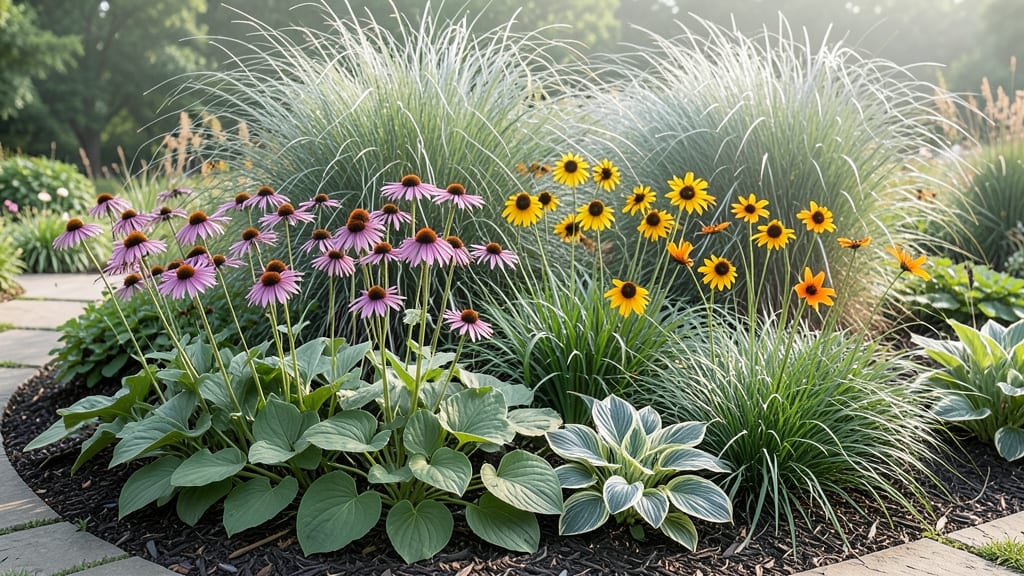
The Toronto Botanical Garden provides a lush escape year-round, featuring vibrant seasonal displays, rare plant collections, and signature garden trails like the Japanese Garden and Children’s Garden. Free outdoor exhibits and special events such as the Holiday Lights Festival create unforgettable experiences for all visitors.
The Toronto Botanical Garden isn't just a green oasis—it's a dynamic living museum where every season reveals something new. 🌿 From spring's delicate orchids to winter's evergreen forests, the garden's carefully curated displays showcase both native and exotic species in ways that feel both educational and magical.
What sets this space apart is how it blends science with artistry, offering educational programs that explain the cultivation secrets behind their stunning blooms and thriving ecosystems.
Beyond the main attractions, hidden gems like the Glasshouse and Pollinator Garden provide quieter moments of discovery. These lesser-known spots often host volunteer-led tours that share insider tips about the garden's lesser-known species and conservation efforts.
Whether you're planning a family outing or a solo visit, timing your trip around special events—like the Holiday Lights Festival or Plant Sale—can transform a simple stroll into a full sensory experience.
💡 In This Article
- Exploring Toronto Botanical Garden’s Seasonal Themes and Plant Collections
- Top Hidden Gems and Must-Attend Events at Toronto Botanical Garden
Exploring toronto botanical garden’s seasonal themes and plant collections
The Toronto Botanical Garden transforms with each season, using horticultural science to create visually stunning displays that also serve educational purposes.
In spring, the 2,500-square-foot Orchid Display features over 100 varieties of orchids, including rare hybrids like the Cattleya and Phalaenopsis, which thrive under carefully controlled humidity levels of 60-70% and temperatures between 65-75°F.
The garden’s team uses a proprietary soil mix of 30% bark, 30% sphagnum moss, and 40% perlite to mimic tropical conditions while preventing root rot.
Fall brings the Native Plant Garden, a 5-acre area showcasing over 300 species of Canadian wildflowers and shrubs, many of which are drought-resistant once established.
The foliage here changes to fiery hues of red and gold due to the breakdown of chlorophyll triggered by shorter daylight hours—something the garden enhances by selecting varieties with naturally vibrant fall colors, like the Virginia Creeper and Sumac.
Winter isn’t left out, with the Evergreen Collection featuring conifers like the Balsam Fir and Douglas Fir, which retain their needles year-round thanks to a waxy cuticle that reduces water loss.
What makes these collections special is the garden’s focus on sustainable cultivation. For example, the Succulent Garden uses a drip irrigation system that delivers water directly to the roots, reducing waste by 70% compared to traditional sprinklers.
This system is particularly effective for species like Echeveria and Aloe Vera, which store water in their leaves and only need watering every 2-3 weeks in summer. The garden also employs composting techniques to recycle organic waste into nutrient-rich soil, cutting down on chemical fertilizers.
One standout feature is the Japanese Garden, a 5-acre meticulously designed space that follows traditional Wabi-Sabi principles—embracing imperfection and natural beauty. The garden’s 17 ponds and 200-year-old Japanese maples create a serene atmosphere, while the carefully placed stones symbolize mountains and rivers.
The garden’s team prunes these maples in late winter to encourage new growth, a process that takes 4-6 hours per tree and requires precise timing to avoid damaging the delicate branches.
For plant enthusiasts, the Greenhouse Complex is a must-visit, housing over 1,000 plant species in climate-controlled environments. Here, you’ll find everything from Venus Flytraps, which thrive in acidic soil with a pH of 4.5-5.5, to Carnivorous Pitcher Plants, which lure insects with sweet nectar before digesting them.
The greenhouse’s humidity levels are maintained at 50-60% to mimic tropical rainforests, creating a microclimate that’s both educational and visually striking.
Don’t miss the Pollinator Garden, a 1-acre space designed to support bees, butterflies, and hummingbirds. The garden plants over 50 species of native flowers, including Coneflowers and Milkweed, which provide nectar and pollen year-round.
Studies show that these gardens can increase local pollinator populations by up to 30%, making them a vital part of the garden’s conservation efforts. 🌸