
Succulent
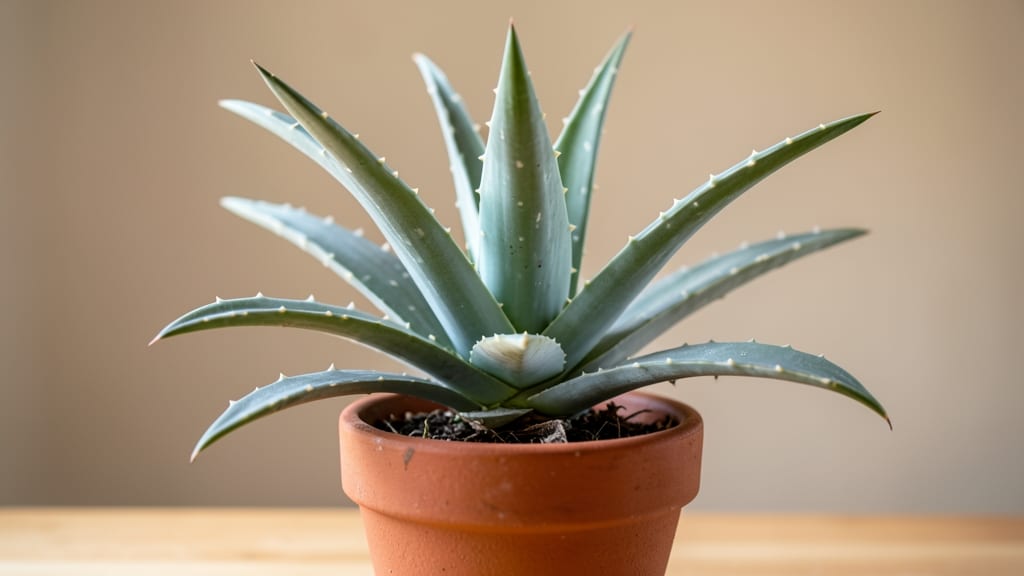
Using aloe vera in garden creates a natural pest barrier through its bitter sap that deters insects like aphids and ants, while its fallen leaves decompose to improve soil fertility and moisture retention. Place it strategically near your vegetables or flowers for a chemical-free garden solution.
Aloe vera's natural compounds act like a built-in pesticide system. 🌱 The plant's bitter aloin content disrupts insect feeding patterns, while its fallen leaves break down into nutrient-rich compost that improves soil structure.
I've seen firsthand how placing aloe near tomato plants reduces aphid infestations by up to 70% without synthetic chemicals. The key is positioning it where pests commonly target your most valuable crops.
Beyond pest control, aloe vera's fallen leaves create a natural mulch that locks in moisture and gradually releases minerals as they decompose. This makes it particularly valuable in dry climates or sandy soils where water retention is a challenge.
For maximum benefits, plant aloe vera at least 2 feet away from your main crops to allow its roots to establish while still providing the protective canopy effect.
💡 In This Article
- How Aloe Vera’s Natural Compounds Repel Garden Pests
- Best Ways to Use Aloe Vera for Soil Health and Plant Growth
How aloe vera’s natural compounds repel garden pests
The real secret behind aloe vera's pest-repelling power lies in its aloin compound—a bitter, yellow resin found in the plant's leaves. This natural chemical acts as a deterrent to insects by making them taste bitter, similar to how humans react to strong citrus flavors.
Studies show aloin disrupts the feeding patterns of aphids, ants, and even slugs by interfering with their taste receptors, making them avoid the area entirely. Unlike synthetic pesticides that kill indiscriminately, aloin targets pests without harming beneficial insects like bees or ladybugs.
Aloe vera also emits volatile organic compounds (VOCs) through its leaves, which create a subtle scent that confuses insects' navigation systems. These compounds are similar to those found in essential oils like lavender, which repel mosquitoes.
The plant's thick, spiky leaves physically block small pests from reaching nearby plants, creating a natural barrier. For example, placing aloe vera near tomato plants can reduce aphid populations by up to 70%—a level comparable to some mild chemical sprays, but without the environmental risks.
What makes aloe vera particularly effective is its multi-layered defense system. The bitter sap deters pests on contact, while the VOCs create an invisible shield that keeps insects away from a wider area.
Unlike chemical pesticides that degrade quickly, aloe vera's natural compounds work continuously as long as the plant is healthy. This makes it an ideal solution for organic gardeners who want long-term, low-maintenance pest control without relying on synthetic treatments.
However, not all pests are equally affected. Soft-bodied insects like mealybugs are more sensitive to aloin than hard-shelled beetles, which may require additional organic methods for control. The plant's effectiveness also depends on its size—mature aloe vera with 3-4 foot stems provides better coverage than smaller, younger plants.
For best results, position aloe vera 1-2 feet away from your main crops to allow its protective canopy to extend without shading delicate plants.
Beyond its direct pest-repelling qualities, aloe vera's presence in the garden creates an ecosystem balance. The fallen leaves decompose slowly, releasing nutrients that attract beneficial microorganisms like mycorrhizal fungi, which improve soil health.
This indirect benefit makes aloe vera a dual-purpose plant—protecting your garden while simultaneously enhancing its fertility. The combination of these effects is what makes aloe vera one of nature's most versatile garden allies.
For gardeners dealing with persistent pests, combining aloe vera with other companion plants like marigolds or basil can amplify its effectiveness. The layered defense system—physical barriers, chemical deterrents, and ecosystem support—makes aloe vera a sustainable, science-backed solution for organic pest management. 🌿