
Tools
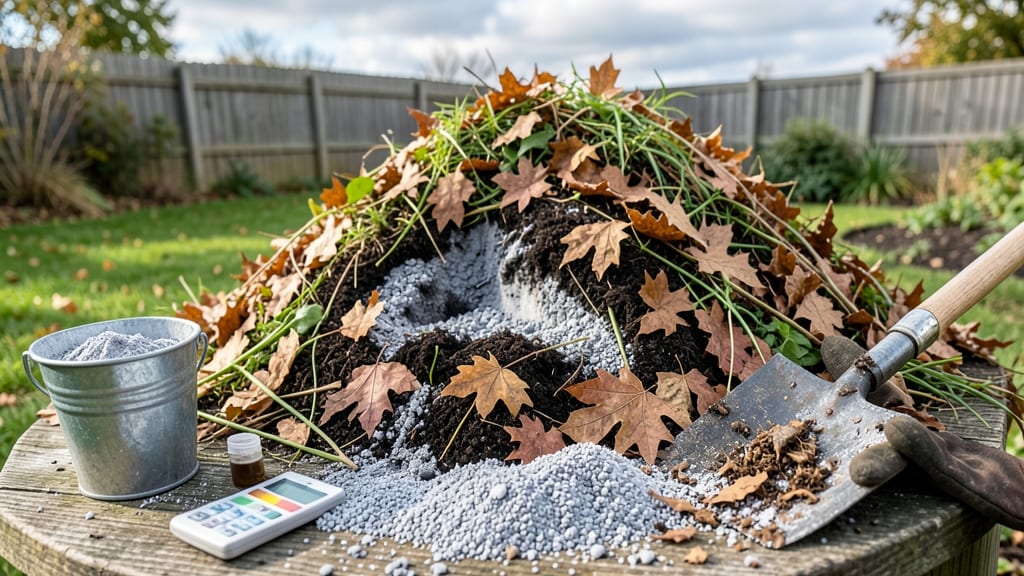
Using wood ashes in your garden can significantly boost soil pH for acid-sensitive plants, naturally repel pests, and inhibit weed growth when applied properly—always spread a thin layer (½ inch or less) during fall or early spring while avoiding direct contact with plant roots or seeds. Always test your soil pH beforehand to prevent over-alkalization.
Wood ashes work their magic through their high potassium and calcium content, which neutralize acidic soils and create a more alkaline environment. 🌱 This shift helps acid-loving plants like blueberries and azaleas thrive while discouraging weeds that prefer lower pH levels.
The fine particles also act as a natural slug deterrent when sprinkled around plant bases, though they should never replace proper soil testing.
For best results, I recommend using only hardwood ashes—softwood varieties can introduce harmful chemicals. Always let ashes cool completely before applying, and mix them lightly into the top inch of soil rather than piling them. This approach prevents nutrient imbalance while maximizing their benefits for your garden ecosystem.
💡 In This Article
- How Wood Ashes Adjust Soil pH and Fertility
- Safe Application Methods for Weed Control and Pest Deterrence
How wood ashes adjust soil pH and fertility
Wood ashes act as a natural soil amendment by introducing alkaline minerals that directly counterbalance acidic conditions. The key players here are potassium oxide (about 5-10%) and calcium carbonate (around 20-40%), both of which raise soil pH when mixed into the topsoil.
For example, a 1-inch layer of hardwood ash can increase soil pH by 0.5-1.0 points in acidic soils (pH < 6.5), creating optimal conditions for plants like blueberries that thrive at pH 4.5-5.5. This chemical reaction occurs because the calcium and potassium ions displace hydrogen ions in the soil, effectively neutralizing acidity.
The nutrient boost doesn't stop at pH adjustment—wood ashes also provide essential micronutrients like magnesium and phosphorus, though in smaller quantities.
Hardwood ashes (from oak, maple, or beech) are particularly valuable because they contain fewer harmful compounds than softwood ashes (like pine or cedar), which may introduce excess chlorine or other phytotoxic elements.
The texture of properly cooled ashes creates a fine, gritty consistency that improves soil aeration when worked into the top 1-2 inches of soil, while their alkaline nature helps break down organic matter more efficiently during decomposition.
What most gardeners don't realize is how these ashes affect nutrient availability. In acidic soils, essential nutrients like phosphorus and calcium become "locked up" and unavailable to plants. When you add wood ashes, the pH shift releases these nutrients, making them accessible to plant roots.
For instance, phosphorus uptake increases dramatically in soils adjusted from pH 5.0 to 6.5, which is why you'll often see better flowering and fruiting in amended beds. The trade-off?
Overapplication can create a pH imbalance, making other nutrients like iron and manganese deficient—hence the importance of soil testing before and after application.
Seasonal timing matters for maximum effectiveness. Fall applications allow the minerals to integrate into the soil over winter, while spring applications provide an immediate nutrient boost for emerging plants.
The ashes also create a slightly alkaline microclimate around plant bases, which naturally deters many common garden pests like slugs and snails that prefer acidic environments. This dual benefit—pH adjustment and pest control—makes wood ashes a versatile tool in organic gardening when used judiciously.
For visual comparison, imagine two garden beds: one with highly acidic soil (pH 4.5) where blueberries struggle to thrive, and another where a ¼-inch layer of hardwood ash has been worked in, raising the pH to 5.5.
In the amended bed, you'll notice richer foliage, more abundant berries, and fewer signs of nutrient deficiency like yellowing leaves. The key is moderation—think of wood ashes as a fine-tuning tool rather than a cure-all, especially in soils that are already neutral or alkaline.
One advanced technique is creating an "ash tea" by steeping cooled ashes in water (1 part ash to 10 parts water) for 24 hours, then using the liquid to water plants. This method provides a gentler nutrient delivery system while still raising soil pH gradually.
Always strain the mixture thoroughly to avoid clogging irrigation systems or burning plant roots with concentrated ash particles.