
Planting
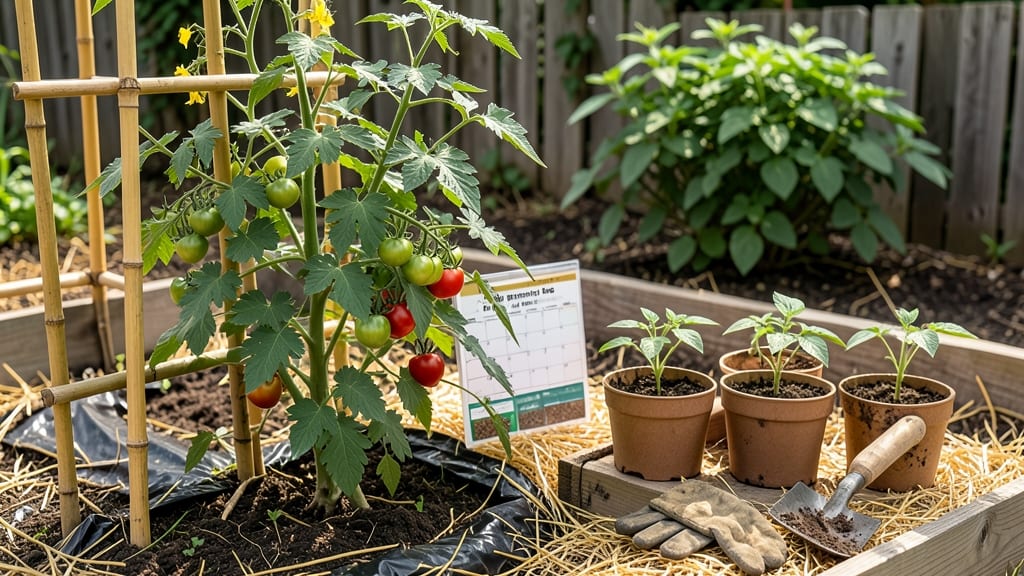
Planting your vegetable garden in Florida at the right time means the difference between a bountiful harvest and a sad, wilted disappointment—especially when you’re dealing with year-round heat and humidity.
Florida’s scorching summers and humid winters make timing your vegetable garden critical—plant too early or late, and your crops could wilt before harvest. But with the right schedule, you can grow thriving tomatoes, peppers, and greens year-round, even in the heat.
Unlike northern states, Florida’s frost-free growing season means you can plant almost anytime, but not all vegetables thrive in every month. Heat-loving crops like okra and sweet potatoes love the summer sun, while greens and root veggies prefer cooler weather.
Below, I break down the ideal planting months for Florida’s top vegetables, plus tips for adjusting to heat waves, sandy soil, and pesky pests—so you can finally grow a garden that actually produces.
Florida’s best heat-tolerant vegetables and their ideal planting months
Florida’s year-round growing season lets you enjoy fresh produce without frost worries, but heat tolerance and planting timing still matter. The state’s three climate zones—North (Zone 8a), Central (Zone 9a), and South (Zone 10a-11)—each have unique windows for heat-loving crops like tomatoes, peppers, and sweet potatoes.
Whether you’re starting from seeds or transplants, these guidelines will help you maximize yields.
For North Florida, cooler winters mean spring and fall are prime planting seasons, while Central and South Florida can grow summer crops year-round with proper care. Okra and sweet potatoes thrive in the heat, while peppers and tomatoes need strategic timing to avoid wilting.
Let’s break down the best months for each crop in every zone.
Pro Tip: Always check your last frost date (even in South Florida, light frosts can occur in December). For North Florida, aim to plant warm-season crops after March 15, while Central and South Florida can start as early as February 1 for heat-tolerant varieties.
| Vegetable | North Florida (Zone 8a) | Central Florida (Zone 9a) | South Florida (Zone 10a-11) | Best Method |
|---|---|---|---|---|
| Tomatoes | Transplant: March 15–April 15 Seeds: April 1–May 15 |
Transplant: February 15–April 30 Seeds: March 1–June 1 |
Transplant: January 1–June 15 Seeds: February 1–July 1 |
Transplant (heat-tolerant varieties like Solar Fire) |
| Peppers (Bell, Jalapeño) | Transplant: March 1–April 15 Seeds: April 15–May 30 |
Transplant: February 1–May 15 Seeds: March 1–June 30 |
Transplant: January 1–July 1 Seeds: February 1–August 1 |
Transplant (use shade cloth in peak summer) |
| Okra | Direct Seed: April 15–June 15 | Direct Seed: March 1–August 1 | Direct Seed: February 1–September 1 | Direct seed (loves heat; no transplanting needed) |
| Sweet Potatoes | Slips: April 15–May 30 | Slips: March 1–June 15 | Slips: January 1–July 1 | Slips (plant after soil warms to 70°F+) |
| Eggplant | Transplant: March 15–April 30 | Transplant: February 15–May 15 | Transplant: January 1–June 15 | Transplant (needs consistent moisture) |
For tomatoes, transplanting
How to adjust planting times for Florida’s microclimates and heat waves
Florida’s microclimates and heat waves can turn a thriving garden into a wilting disaster if you don’t adjust your planting strategy. Coastal areas stay cooler than inland zones, while cities like Miami face 100°F+ temperatures by June. The key? Flexible timing and heat mitigation to keep your veggies productive year-round.
Start by identifying your local heat zone (8a–11) and soil type—Florida’s sandy soil drains fast, so moisture retention becomes critical. For example, tomatoes planted in June without shade may bolt by August, while okra thrives in July’s heat.
The solution? Stagger plantings and use shade cloth (30–50%) for sensitive crops like lettuce.
- 1. Use shade cloth (30–50%) for spring/fall plantings (March–May, Sept–Nov) to protect seedlings from sudden heat spikes. Remove after 4–6 weeks to harden off plants.
- 2. Mulch heavily (3–4 inches) with straw or wood chips to retain moisture and block weeds. Reapply every 2–3 months, especially in summer.
- 3. Plant drought-resistant varieties like sweet potatoes, okra, and malabar spinach in June–August. These thrive in 90°F+ with minimal water.
- 4. Watch for heat stress signs: wilting leaves, yellowing edges, or blossom drop. Act fast by watering deeply at soil level (not overhead) and providing afternoon shade.
- 5. Adjust watering to morning only (before 10 AM) to reduce fungal diseases like powdery mildew. Use drip irrigation to avoid wetting foliage.
Don’t assume a one-size-fits-all approach works for Florida. For instance, North Florida’s (Zone 8a) cool winters allow broccoli and cabbage to grow in December, while South Florida’s (Zone 10b) warm winters make spring plantings safer in February.
Always check local frost dates—even if rare, a 28°F night can devastate tender crops.
For container gardens, adjust timing by 2–3 weeks earlier—pots heat up faster. Use black fabric pots to absorb sunlight and self-watering systems to prevent drought stress. If you’re growing peppers or eggplants, start seeds indoors in February and transplant after March 15 to avoid heat shock.
Pro tip: Monitor your garden’s microclimate with a soil thermometer. Ideal root-zone temps for most veggies are 60–75°F. If soil hits 85°F+, switch to heat-tolerant varieties like ‘Solar Fire’ peppers or ‘Creole’ tomatoes, which handle 95°F without wilting.
By mastering these heat-adjustment tactics, you’ll turn Florida’s challenges into opportunities—year-round harvests, happier plants, and a garden that beats the heat. Start small, observe your plants’ reactions, and refine your schedule each season. Your future tomato bounty will thank you! 🌿☀️