
Tools
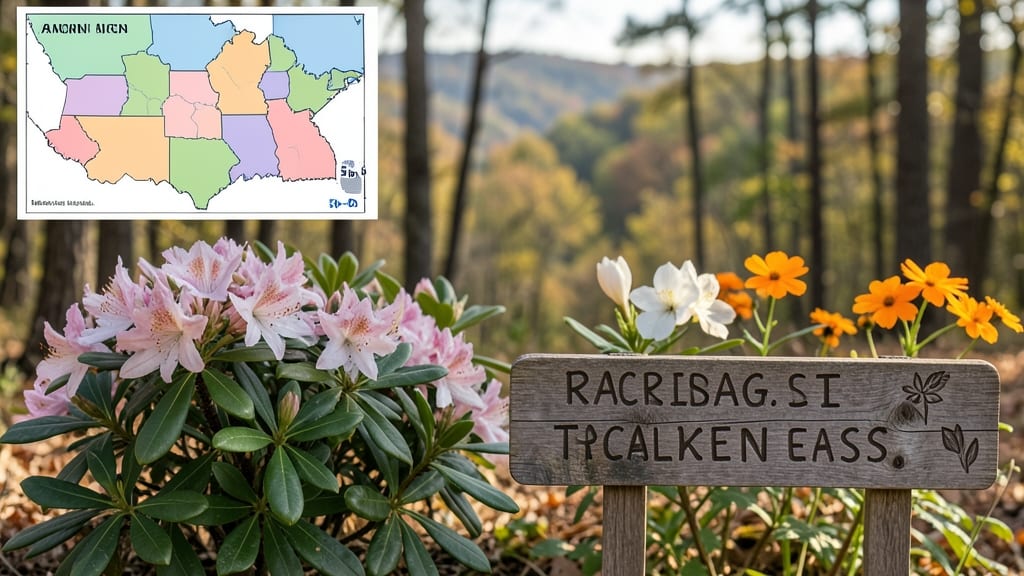
Virginia's garden zones span from 5a to 8a, with most regions falling in zones 6b through 7b, which directly impact which plants can survive your area's winter lows and summer heat. Your specific zone number determines the best planting schedule and hardiest species for your yard.
Understanding your Virginia garden zone helps you select plants that match your climate's extremes.
The USDA map divides Virginia into distinct temperature bands where plants either thrive or struggle—mountain areas like Roanoke (zone 6a) face harsher winters than coastal Virginia Beach (zone 8a). 🌱 For example, peonies and black-eyed Susans flourish in zone 6b, while bougainvillea and oleander prefer zone 7b's milder winters.
The key is matching your zone number to plants that naturally tolerate your area's average annual minimum temperature.
Don't forget about microclimates—your yard might have sun-exposed areas that warm up faster than shaded spots, creating mini-zones. This is why gardeners in zone 7b might successfully grow zone 8 plants in sheltered microclimates while protecting them during cold snaps.
The USDA zone map gives you a starting point, but observing your own yard's conditions helps fine-tune your planting strategy.
💡 In This Article
- How Virginia’s Plant Hardiness Zones Affect Plant Selection
- Best Plants for Virginia’s Most Common Garden Zones (6b-7b)
How Virginia’s plant hardiness zones affect plant selection
The USDA Plant Hardiness Zone Map divides Virginia into distinct temperature bands based on the average annual minimum winter temperature. These zones—ranging from 5a (coldest, like the mountains) to 8a (mildest, like coastal areas)—determine which plants can survive your area’s coldest nights.
For example, zone 6b (common in central Virginia) has average winter lows of -5°F to 0°F, while zone 7b (eastern Virginia) rarely drops below 10°F. This 15°F difference means plants that thrive in one zone may freeze in another.
The science behind these zones involves plant physiology. Most plants enter dormancy when temperatures drop below their hardiness threshold, but the exact trigger varies by species. For instance, boxwoods (zone 5-8) can handle -20°F winters, while camellias (zone 7-9) struggle below 10°F.
Virginia’s varied topography creates microclimates—mountain valleys stay colder than nearby ridges, while coastal areas benefit from moderating ocean breezes. Even within a single county, you might find zones differing by 2-3 degrees due to elevation or proximity to water.
Your zone number isn’t just about winter survival—it also influences summer heat tolerance. Plants like crape myrtle (zone 7-9) thrive in Virginia’s humid summers, while Russian sage (zone 4-9) handles both heat and drought.
The key is matching your zone to plants that naturally tolerate your area’s both coldest and hottest extremes.
For example, a zone 6b gardener can grow hydrangeas (zone 3-9) but must protect them during late spring frosts, while zone 7b gardeners can safely plant bougainvillea (zone 9-11) only in microclimates.
Microclimates add another layer of complexity. A south-facing wall can create a zone 8 pocket in an otherwise zone 7 yard, allowing you to grow citrus or olive trees. Conversely, shaded areas may mimic a cooler zone.
To optimize your garden, observe where frost collects (low areas) and where heat lingers (paved surfaces). Tools like soil thermometers and frost clocks help refine your understanding beyond the USDA map. The goal is to align your planting choices with both your official zone and your yard’s specific conditions.
Seasonal timing matters too. In zone 6b, wait until after the last frost (typically mid-April) to plant tender annuals like tomatoes, while zone 7b gardeners can start 2-3 weeks earlier.
Perennials like daylilies (zone 3-9) can be planted in early spring or fall, but bulbs like tulips (zone 3-8) need 6-8 weeks of cold to bloom properly. Understanding your zone helps you time plantings for maximum success.
For precise guidance, use the USDA Interactive Map to find your exact zone, then cross-reference with plant tags that list hardiness zones. Native Virginia plants—like Virginia sweetspire (zone 5-9) or eastern redbud (zone 4-9)—are often the best choices because they’ve evolved to thrive in local conditions.
Start with these, then experiment with zone-adjacent plants in sheltered spots to expand your garden’s possibilities. 🌿