
Tools
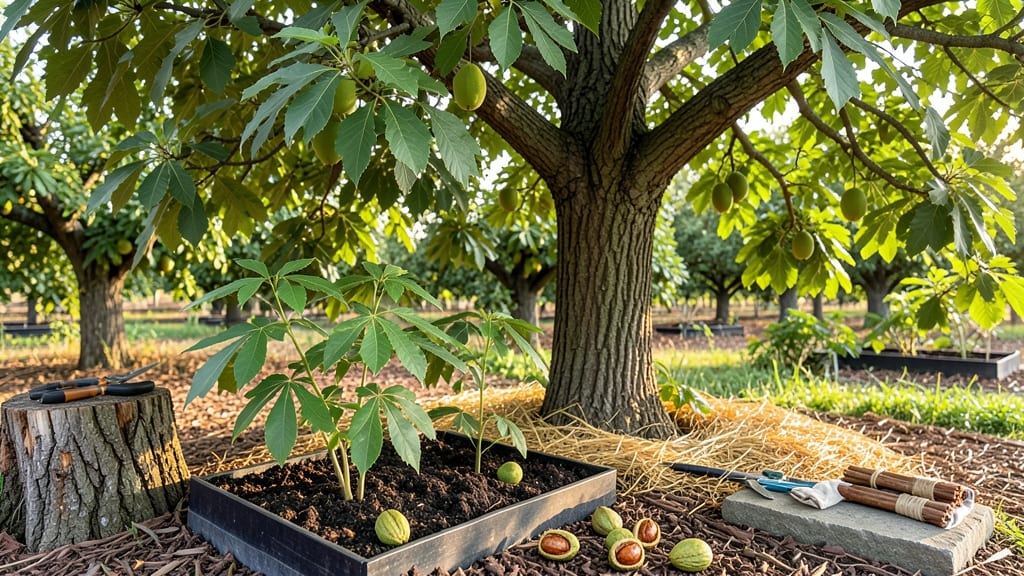
A walnut garden menu transforms homegrown walnuts into seasonal dishes like vibrant walnut salads, rich roasted desserts, and aromatic pesto pasta, blending them with fresh herbs and vegetables for balanced nutrition and bold flavors. Time your meals around harvest cycles to maximize taste and freshness.
A walnut garden menu isn't just about using walnuts—it's about creating harmony between your harvest and seasonal produce. 🌿 Walnuts pair beautifully with winter squash, kale, and root vegetables, while summer harvests let you highlight them in lighter dishes like gazpacho or herb-crusted fish.
The key is balancing their earthy richness with bright, complementary ingredients to keep flavors dynamic throughout the year.
This approach also reduces waste by using every part of the walnut—think shells for broths, hulls for compost, and fresh nuts for everything from savory toppings to sweet treats. When you plan meals around your garden's natural rhythms, each bite becomes a celebration of sustainability and seasonal abundance.
💡 In This Article
- Seasonal Walnut Harvest Timing for Optimal Flavor
- Best Walnut-Based Dishes for Homegrown Ingredients
Seasonal walnut harvest timing for optimal flavor
Walnuts reach peak flavor when harvested at the right moment—typically between late September and October in most temperate climates, though this varies by variety and region.
The key indicator is the hull splitting naturally from the shell, which usually happens when about 70-80% of the nuts have dropped from the tree. This moment marks the perfect balance of moisture and oil content, ensuring rich, buttery flavor and proper texture for culinary use.
The science behind this timing lies in the walnut's internal chemistry. As the nuts mature, their starches convert to sugars and oils, creating that signature deep, earthy taste.
Harvesting too early means underdeveloped flavor, while waiting too long risks the nuts splitting open on the tree, attracting pests like raccoons or squirrels. In colder climates, walnuts may need a 10-14 day frost to soften the hulls for easier harvesting—this natural process is called "hull split."
For home gardeners, testing walnut readiness is simple: gently tap a nut against your palm. If it sounds hollow and the hull cracks easily, it's time to harvest. 🌰 The nutmeat should also separate cleanly from the shell when dried properly.
Different varieties like 'Franquette' or 'Paradox' have slightly different timelines—some ripen weeks earlier than others—so observe your specific trees. Proper timing ensures your garden menu ingredients deliver maximum flavor potential.
Climate plays a surprising role in walnut maturation. Warmer regions may see harvests as early as mid-September, while cooler areas could extend into November. Rainfall also matters—excessive moisture before harvest can lead to moldy nuts, while drought stress may cause premature shell hardening.
This is why gardeners in variable climates often rely on both visual cues (hull color changes) and physical tests (the tap method) to determine the best harvest window.
Once harvested, walnuts need 4-6 weeks of drying in a well-ventilated space to develop their full flavor profile. During this time, enzymes continue breaking down starches into sugars, deepening that characteristic rich taste. Skipping this drying process results in bland, mealy nuts—so patience pays off in your garden menu dishes.
Store properly dried walnuts in an airtight container in a cool, dark place for up to 6 months to maintain peak quality.
Understanding these harvest nuances transforms your walnut garden into a year-round flavor resource. The nuts you harvest at just the right moment will elevate everything from walnut-crusted meats to homemade pralines, making each seasonal dish a celebration of your garden's bounty. 🌱