
Tools
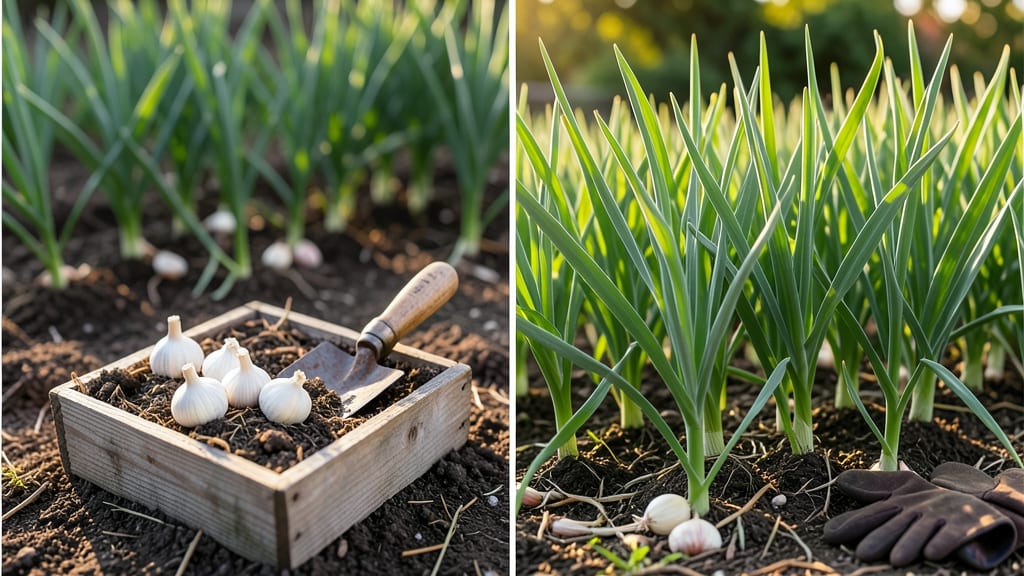
The Clove Garden menu showcases seasonal dishes made from heirloom and foraged ingredients, combining fresh garden produce with classic techniques like fermentation, smoking, and spice-infused reductions. Signature offerings include fermented garlic scapes, smoked tomato jam, and herb-forward tasting menus inspired by sustainable gardening.
The Clove Garden menu thrives on its chef-driven herb and spice garden, where rare varieties like Thai basil and clove-scented plants grow alongside heirloom vegetables. 🌿 These ingredients aren't just ingredients—they're flavor foundations, carefully cultivated to peak seasonally.
The restaurant's signature dishes, like clove-infused desserts and fermented greens, rely on these homegrown elements, creating a menu that evolves with each harvest. What sets Clove Garden apart is how it bridges traditional techniques with modern sustainability, turning garden-fresh produce into unforgettable culinary experiences.
For home cooks, replicating these techniques starts with understanding companion planting—pairing herbs like lemongrass with tomatoes to enhance flavor naturally. The restaurant's slow-smoking methods and spice reductions can be adapted in backyard kitchens with simple equipment, though patience is key.
Whether you're sourcing seeds from specialty nurseries or foraging local wild greens, the menu's philosophy centers on working with nature's rhythms rather than against them.
💡 In This Article
- How Clove Garden’s Herb and Spice Garden Fuels Its Menu
- Top 5 Must-Try Clove Garden Dishes and Their Garden Origins
How clove garden’s herb and spice garden fuels its menu
The Clove Garden's menu isn't just inspired by gardening—it's literally grown in-house. The restaurant maintains a dedicated herb and spice garden where rare botanicals like Thai basil (with its anise-like depth) and lemongrass (citrusy and aromatic) are cultivated alongside heirloom vegetables.
These plants are selected not just for flavor but for their ability to thrive in companion planting arrangements, where certain herbs enhance neighboring crops. For example, planting cilantro near tomatoes repels pests while adding a bright, peppery note to dishes.
The garden's seasonal rotation determines the menu's evolution—what you'll find in summer (like fresh garlic scapes) differs dramatically from winter offerings (dried chiles and preserved citrus). The chef uses clove-scented plants like Indonesian bay leaves in marinades and desserts, where their warm, sweet aroma develops during slow cooking.
Unlike mass-produced herbs, these garden-grown varieties contain higher essential oils, which translates to more complex flavors in dishes like the restaurant's signature smoked tomato jam—where fresh basil and thyme are smoked alongside tomatoes to create a layered umami depth.
What makes this approach unique is the flavor amplification through cultivation techniques. For instance, the restaurant's fermented garlic scapes rely on scapes harvested at peak tenderness (around 12-14 inches tall) and fermented with local sea salt for 7-10 days at 65-70°F.
This controlled fermentation process converts natural sugars into lactic acid, creating a tangy, probiotic-rich condiment that's far more complex than store-bought alternatives. The same principle applies to their spice-infused reductions, where garden-grown peppers and herbs are reduced with vinegar to create concentrated flavor syrups.
Home gardeners can replicate this philosophy by focusing on microclimate control—protecting delicate herbs like Thai basil from frost with row covers or growing heat-loving peppers in containers that can be moved indoors.
The key is harvesting at the right stage: basil leaves picked before flowering retain their sweetness, while garlic scapes should be cut when they reach 10-12 inches to encourage bulb development.
Even urban gardeners with limited space can grow flavor-packed herbs in vertical planters or windowsill setups, using companion planting to maximize yield and taste.
Beyond flavor, the garden's sustainability practices—like composting kitchen scraps and using rainwater irrigation—directly influence the menu's environmental story. Dishes like the herb-forward tasting menu highlight these connections, with each course tracing back to a specific garden section.
This transparency builds trust with diners who appreciate knowing exactly where their ingredients come from, down to the specific soil amendments used to grow each herb (like worm castings for basil to enhance its sweetness).
The restaurant's approach proves that gardening and gastronomy are inseparable. When you taste their clove-infused desserts, you're experiencing the cumulative effect of months of careful cultivation—where the clove's warm, sweet notes develop through slow reduction with garden-grown fruits.
This is why the menu feels so alive: every dish tells a story of the garden's seasonal journey, from seed to plate. 🌱