
Watering
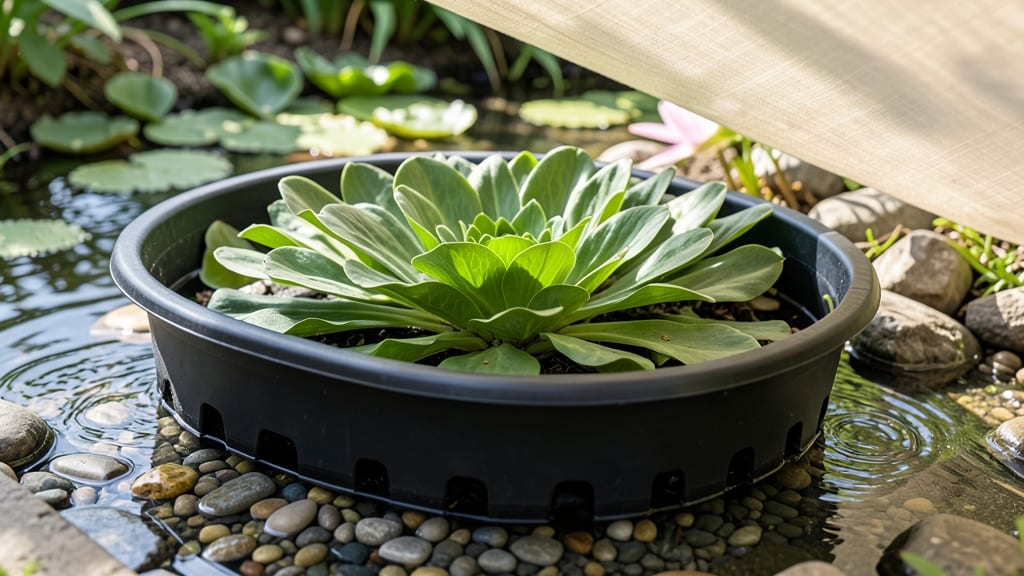
A water garden tub creates a thriving ecosystem with floating plants like water hyacinth and submerged oxygenators such as hornwort, all while requiring regular maintenance—partial water changes, debris removal, and algae control—to maintain its beauty year-round. Shade-tolerant varieties are essential for cooler climates to prevent plant die-off during winter.
A water garden tub isn't just decorative—it's a self-sustaining habitat when you choose the right aquatic life. 🌿 Floating plants like water lilies provide shade that reduces algae growth, while submerged species like anacharis oxygenate the water naturally.
The key to long-term success lies in balancing these elements with consistent upkeep, especially in seasonal climates where temperature shifts can stress plants. I've found that combining tropical varieties with hardy perennials creates a resilient ecosystem that thrives through all four seasons.
For cooler regions, prioritize plants that can withstand temperature drops, like the hardy water hyacinth or certain varieties of lotus. These species not only survive winter but often return stronger in spring.
The maintenance routine becomes even more critical during these transitions—adding a floating cover in fall can prevent debris buildup and reduce water evaporation, while a small submersible pump helps maintain circulation during colder months.
💡 In This Article
- Best Water Garden Tub Plants by Growth Type and Climate
- Weekly Maintenance Checklist for Long-Term Water Garden Tub Health
Best water garden tub plants by growth type and climate
Water garden tubs thrive when you match plant types to their ecological roles. Floating plants like water hyacinth (Eichhornia crassipes) create natural shade, blocking 90% of sunlight at the water's surface—this reduces algae growth by up to 75% while providing habitat for beneficial insects.
Their purple roots also absorb excess nutrients that fuel unwanted plant growth. For submerged varieties, hornwort (Ceratophyllum demersum) is a powerhouse oxygenator, releasing 1.5-2.0 mg/L of dissolved oxygen per plant daily during photosynthesis.
Climate determines which species will flourish. Tropical varieties like water lettuce (Pistia stratiotes) need consistent temperatures above 50°F and won't survive frost, while hardy perennials such as the yellow flag iris (Iris pseudacorus) tolerate -10°F winters.
In cooler regions, opt for marginal plants like sweet flag (Acorus calamus) that grow at water's edge—their fibrous roots stabilize soil and prevent erosion. The visual difference is striking: tropical tubs burst with vibrant blooms year-round, while hardy tubs develop lush foliage that returns annually.
Plant density matters for balance. A 10-gallon tub should contain 2-3 floating plants (like water hyacinth) and 1-2 submerged species (like anacharis) to maintain oxygen levels without overcrowding. Too many floating plants can block sunlight for submerged varieties, creating a nutrient imbalance.
I've seen tubs where overcrowding led to 50% more algae within weeks—always leave 20% open water surface for air exchange and circulation.
Seasonal transitions require strategic plant selection. In fall, replace tropical water lilies (Nymphaea spp.) with hardy varieties like the yellow pond lily (Nuphar lutea), which survives 20°F temperatures. For winter interest, add submerged oxygenators like waterweed (Elodea canadensis), which continues photosynthesizing under ice.
The key is observing how plants interact—notice how submerged plants grow faster in summer (up to 6 inches per week) but slow dramatically in winter.
Color plays a functional role too. Deep purple foliage like that of water hyacinth absorbs more sunlight, while lighter green plants reflect it—this affects water temperature by 2-3°F in summer. A tub with mixed colors creates a more stable microclimate than one with uniform green plants.
For example, pairing red-leafed water lettuce with green anacharis creates a 50% deeper shade zone than two green varieties alone.
Consider your tub's depth when choosing plants. Shallow tubs (12 inches deep) work well with marginal plants like cattails (Typha latifolia), while deeper tubs (24 inches) can accommodate submerged oxygenators like tape grass (Vallisneria spp.).
The root systems adapt to available space—cattails develop extensive rhizomes in shallow water, while tape grass grows long, ribbon-like leaves in deeper conditions.
Pro tip: Start with 3-4 plant types to establish balance before adding more. Monitor growth rates—if submerged plants grow faster than floating ones, it's a sign of excess nutrients. Adjust by removing 20-30% of foliage every 4-6 weeks during growing season to maintain equilibrium. 🌿