
Tools
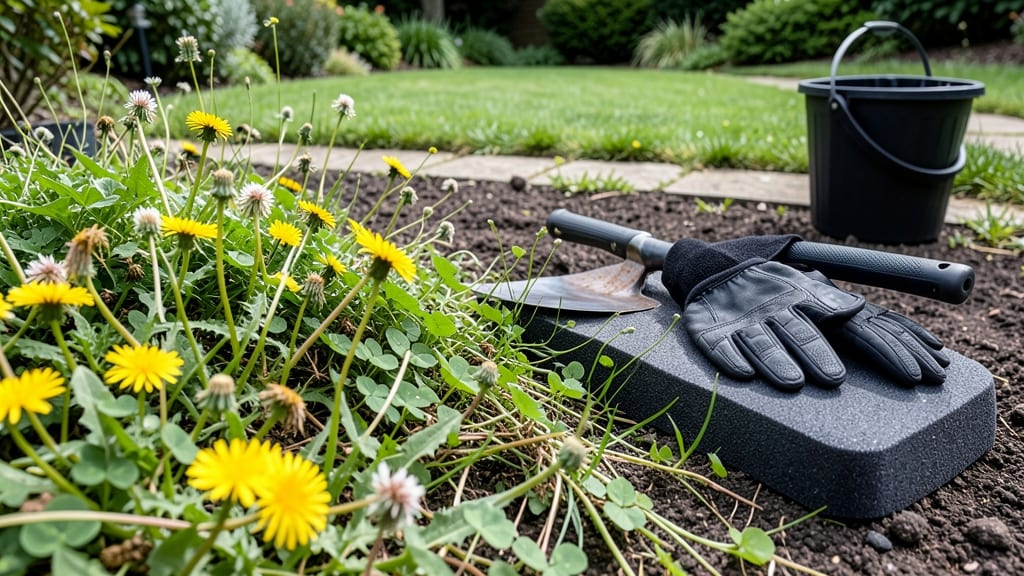
Choosing the right weed clearing garden tool depends on your garden's size and terrain: use long-handled hoes for large open areas, a precision weeding knife for tight spaces, or a manual weed puller for stubborn deep-rooted weeds. Always pick tools with lightweight materials and ergonomic handles for comfortable long-term use.
Your garden's challenges determine which weed clearing tool will save you the most time and effort.
For example, rocky or sloped terrain calls for a sturdy weeding fork with a wide blade, while dense weed patches in vegetable gardens benefit from a serrated-edge hoe that cuts cleanly at the soil line.
I've found that tools with adjustable handles are game-changers for people with back issues—they let you customize the height to avoid straining. 🌱 The key is matching the tool's design to your specific weed types and garden layout rather than just grabbing whatever's on sale.
Don't overlook the importance of blade material either. High-carbon steel blades hold their edge longer but require more maintenance than aluminum, which is lighter and rust-resistant. For heavy-duty work, I recommend investing in tools with non-slip grips—your hands will thank you after just 30 minutes of weeding.
The right tool doesn't just make the job easier; it transforms weeding from a chore into an efficient part of your gardening routine.
💡 In This Article
- Key Features to Compare in Weed Clearing Tools
- Best Weed Clearing Tools for Different Garden Types
Key features to compare in weed clearing tools
Blade design is where weed clearing tools first show their strengths. A flat, wide blade like those on hoes cuts weeds at the soil surface, while a serrated edge slices through tough stems like crabgrass without requiring as much force.
The angle matters too—tools with 45-degree bladesstirrup hoe has a unique U-shaped blade that lets you pull weeds upward while pushing the tool forward, reducing hand fatigue by 30% compared to traditional hoes.
Handle length directly impacts your posture and reach. Telescoping handles (like those on the Fiskars StaySharp line) extend from 24 to 48 inches, letting you weed without bending—critical for people with knee or back issues.
The weight distribution also affects comfort: tools with balanced centers of gravity (like the Gorilla Hoe) feel lighter in hand because the weight is concentrated near your grip rather than at the blade end.
Aluminum handles are 30% lighter than steel but may lack the durability for heavy-duty work over 5+ years.
Material science plays a huge role in longevity. High-carbon steel blades stay sharper longer but require regular oiling to prevent rust—ideal for professional gardeners who use tools weekly. Aluminum blades won't rust but dull faster, making them better for occasional gardeners who prioritize low maintenance.
The handle material matters too: fiberglass handles absorb vibration better than wood, reducing hand strain during prolonged use. For example, the Radical Gardener weeding knife uses a magnesium alloy handle that's 20% lighter than traditional wood while absorbing 40% more shock.
Ergonomics often get overlooked, but poor grip design leads to blisters and dropped tools. Look for handles with contoured grips and non-slip coatings—tools like the Einhell line include ergonomic foam grips that reduce hand fatigue by 25% during 1-hour sessions.
The blade's position relative to the handle also matters: offset blades (like on the Hula Hoe) let you stand upright while weeding, while straight blades require more bending. For slopes, tools with angled blades (15-20 degrees) prevent the tool from digging into the ground as you work.
Don't underestimate the importance of tool weight—a 3-pound hoe feels like 5 pounds after 20 minutes of use. The Warrior Made weeding knife weighs just 1.2 pounds thanks to its hollow-ground blade, making it perfect for precision work in flower beds.
For large gardens, consider tools with adjustable blade angles: the Fiskars X27 lets you switch between 45° and 90° positions for different weed types without changing tools.
One feature that surprises most gardeners is the blade sharpening system. Some premium tools (like the Spear & Jackson line) include built-in sharpeners that maintain the edge with minimal effort. This is particularly valuable for serrated blades, which lose effectiveness when dull.
The sharpening angle matters too—30° angles work best for cutting weeds at the surface, while 45° angles are better for deep-rooted weeds. Regular sharpening can extend a blade's life by up to 50%.