
Vegetables
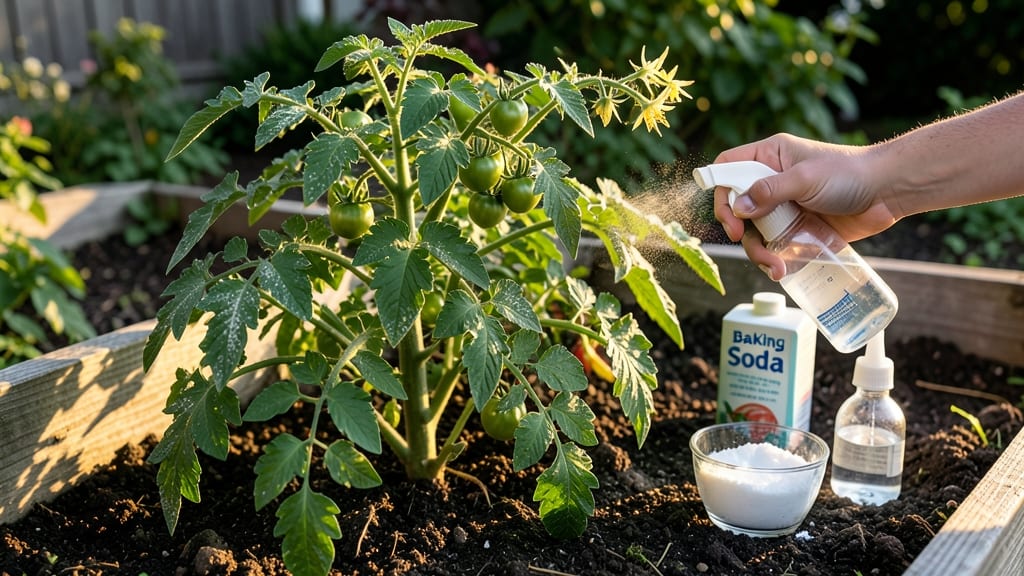
Baking soda for vegetable gardens acts as a natural soil pH balancer and pest repellent, but requires precise application to prevent over-alkalizing or plant damage. A diluted spray (1-2 teaspoons per gallon of water) applied as a foliar treatment works best for most vegetables.
Baking soda's alkaline properties make it a handy garden helper for crops that thrive in slightly basic soil, like tomatoes and peppers. 🌱 The sodium bicarbonate disrupts pests' protective layers (think slugs and aphids) while also providing a mild antifungal boost.
However, it's not a one-size-fits-all solution—acid-loving plants like blueberries or hydrangeas will suffer if you use it without testing your soil first. I always recommend starting with a small test patch to monitor your plants' reaction before full application.
For best results, mix your baking soda solution early in the morning when humidity is low. Adding a drop of dish soap helps it stick to leaves, and reapply every 1-2 weeks during pest outbreaks.
Remember, this isn't a fertilizer—it's a temporary fix for pH imbalance and pest control, not a long-term soil amendment.
💡 In This Article
- How Baking Soda Adjusts Soil pH and Fights Garden Pests
- Safe Baking Soda Dosage Guide for Vegetable Garden Sprays
How baking soda adjusts soil pH and fights garden pests
Baking soda, or sodium bicarbonate, works as a soil amendment because it contains sodium ions that react with hydrogen ions in acidic soil. When dissolved in water, it raises the pH level by neutralizing excess acidity, creating a more alkaline environment.
This chemical reaction is particularly beneficial for calcium-loving crops like tomatoes and peppers, which prefer soil with a pH between 6.2 and 6.8. The sodium ions also disrupt the protective mucus layers of pests like slugs, causing dehydration and death within 24-48 hours of contact.
The alkaline nature of baking soda creates an inhospitable environment for many garden pests. For example, aphids—tiny sap-sucking insects—find the sodium bicarbonate mildly toxic when it comes into contact with their bodies. The chemical alters their waxy protective coating, leading to dehydration.
Meanwhile, slugs, which rely on a slimy mucus trail to move, experience immediate discomfort when their trails dry out upon contact with baking soda-treated soil. This dual-action mechanism makes it effective against both soil-borne and foliar pests without introducing harsh chemicals.
However, the pH adjustment isn't instantaneous. It typically takes 1-2 weeks of regular application to see noticeable changes in soil pH, depending on your garden's current acidity level.
For instance, if your soil tests at pH 5.5 (moderately acidic), a light application of baking soda can raise it to 6.0-6.5 over time. The key is consistency—think of it like a slow-release buffer rather than a quick fix.
Over-application can lead to overly alkaline soil (pH 8.0+), which locks out essential nutrients like iron and manganese, harming plant health.
Beyond pH adjustment, baking soda also acts as a mild antifungal agent. The alkaline environment inhibits the growth of common soil fungi like Fusarium and Phytophthora, which cause root rot and damping-off in seedlings.
This makes it particularly useful for gardeners dealing with waterlogged or poorly drained soil, where fungal growth thrives. The antifungal properties are subtle but noticeable in high-humidity conditions, where fungal spores spread rapidly.
One common misconception is that baking soda can replace lime (calcium carbonate) for soil pH correction. While both raise pH, lime provides calcium—an essential nutrient for plant growth—whereas baking soda primarily adjusts pH without adding nutrients.
For this reason, I recommend using baking soda as a temporary solution or in combination with other amendments like compost or wood ash for long-term soil health. Always test your soil before and after application to monitor pH changes accurately.
For visual learners, imagine sprinkling baking soda like a fine, white snowfall over your garden beds. It dissolves quickly in water, creating a faintly alkaline mist that clings to leaves and soil particles.
The effect is subtle but powerful—like giving your plants a protective shield against acidic stress and pest invasions. Just remember: moderation is key, as too much can turn your garden's soil into a chemical imbalance rather than a balanced ecosystem.