
Tools
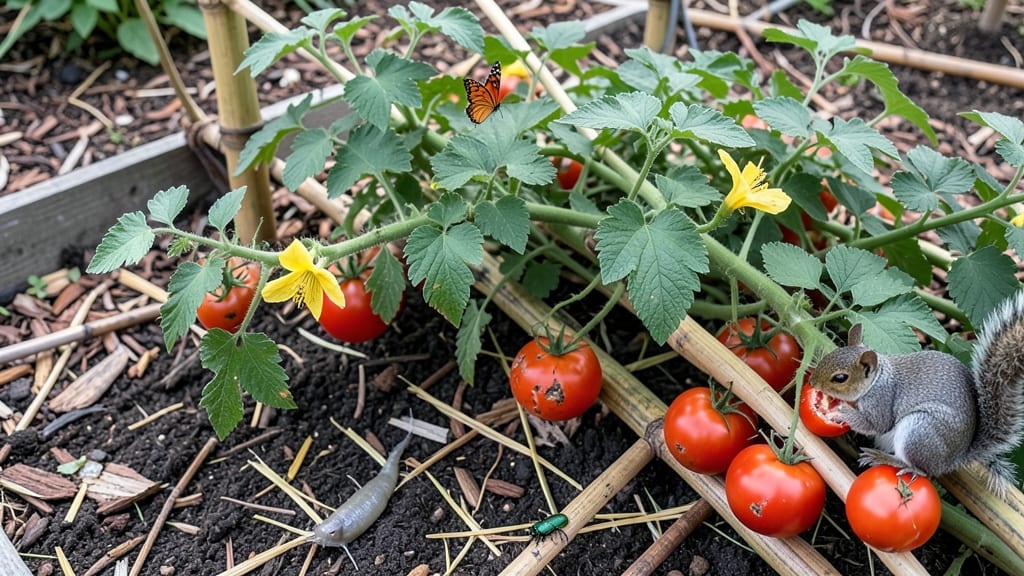
Animals that commonly eat garden tomatoes include squirrels, rabbits, raccoons, deer, birds, and slugs, which attack both ripe and unripe fruit. These creatures often leave behind chewed foliage or stripped vines, forcing gardeners to use fencing, repellents, or other protective measures.
When you spot missing tomatoes or damaged plants, you're likely dealing with one of these common garden raiders. 🌱 Squirrels and rabbits are particularly destructive—they'll strip entire vines overnight, while birds like starlings and sparrows peck at ripe fruit.
Even slugs contribute to the problem by leaving slimy trails and irregular holes in tomatoes. The key to protecting your harvest lies in understanding their feeding patterns and acting before they become a full-blown infestation.
Many gardeners don't realize how quickly these pests can decimate a tomato crop. Deer, for instance, will browse entire rows in a single night, while raccoons have been known to uproot plants to get at the fruit.
The damage isn't just cosmetic—it weakens plants and reduces yields. That's why identifying which specific animals are visiting your garden is the first step toward effective protection.
💡 In This Article
- Identifying Tomato-Eating Garden Pests
- Effective Tomato Protection Strategies
Identifying tomato-eating garden pests
Tomato-eating pests leave behind distinct clues that reveal their identity. Squirrels, for example, create clean, jagged bite marks around 3/4-inch in diameter, often targeting unripe tomatoes near the vine. Their tracks—small, five-toed prints with claw marks—are visible in soft soil after rain.
Rabbits, on the other hand, leave smooth, diagonal cuts near the ground, typically 1-2 inches long, and their droppings resemble small, dark pellets about 1/4-inch in size, often found in neat rows along garden edges. 🐿️
Birds like starlings and sparrows create irregular punctures in ripe tomatoes, often leaving behind a feathered mess and scattered seeds. Their droppings are white or grayish and appear in clusters beneath perching spots.
Slugs leave silver trails and ragged, uneven holes with a slimy residue, while raccoons cause wider, messy damage—sometimes uprooting entire plants to access fruit. Deer, meanwhile, leave behind large, torn leaves and cleanly broken stems, often near garden perimeters. 🦊
The timing of attacks also provides critical clues. Squirrels and rabbits are most active at dawn and dusk, while birds strike during daylight hours. Slugs thrive in humid, shady conditions, becoming most active after evening rains.
Deer, however, are crepuscular, feeding primarily at night and twilight. Understanding these patterns helps you set traps or barriers at the right times for maximum effectiveness.
Seasonal behavior matters too. Early in the season, pests like rabbits focus on young shoots, while later they target ripe fruit. Birds, however, often wait until tomatoes are fully colored before pecking.
This two-phase feeding pattern explains why some gardeners see damage in waves—first on foliage, then on fruit. Paying attention to these shifts allows you to adjust protection strategies mid-season. 🌱
Physical signs aren't the only indicators—sound can help too. Squirrels chatter and rustle leaves, while raccoons make grunting noises and scratching sounds when foraging. Birds create a loud, repetitive pecking that's unmistakable.
Recording these sounds at night can confirm which pests are visiting your garden, even if you don't see them directly.
One often-overlooked detail is the height of damage. Squirrels and rabbits typically target plants at ground level or mid-vine, while birds focus on upper fruit clusters. Deer, however, will browse at any height, often leaving a visible path through the garden.
Noticing these height differences can help you determine which pests to prioritize in your protection plan.