
Tools
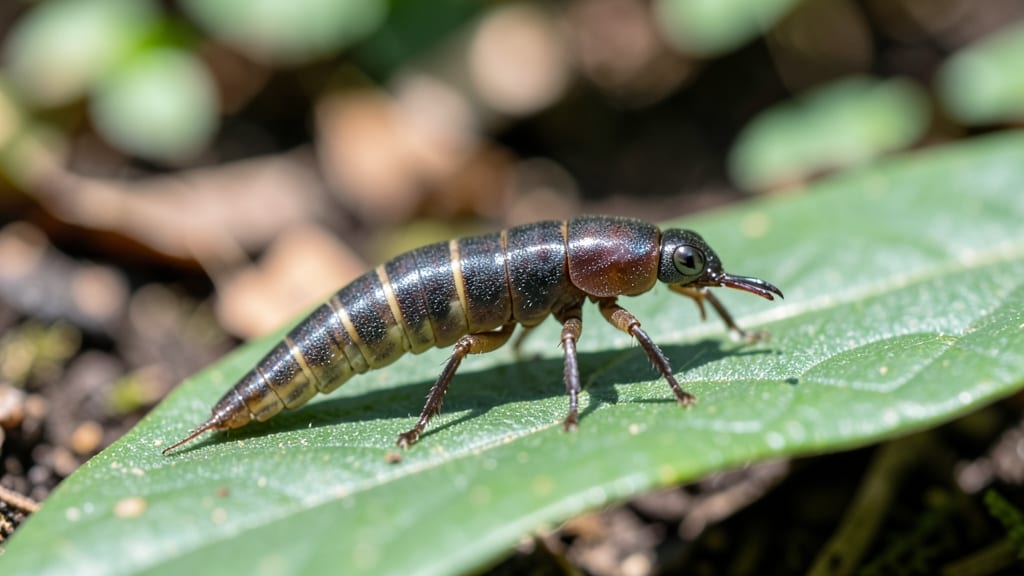
Garden snakes eat small mammals like mice and voles as their main food source, but they also hunt insects, frogs, lizards, and occasionally bird eggs or hatchlings. Their menu varies based on size and location, with larger specimens targeting rodents while smaller snakes focus on invertebrates.
Garden snakes are opportunistic predators, meaning they'll eat whatever's available in their environment. 🐍 Their diet shifts with seasons—spring and summer bring more insects and amphibians, while fall and winter focus on stored rodents.
Larger species like rat snakes can handle bigger prey, while smaller snakes like garter snakes stick to worms and small frogs. This adaptability helps them thrive in gardens, fields, and even suburban areas where they help control pest populations.
In captivity, their diet needs careful planning. Frozen/thawed mice are the gold standard for pet garden snakes, but insects like crickets or mealworms work for smaller species. Feeding frequency matters too—juveniles need food every 5-7 days, while adults can go 10-14 days between meals.
Always dust prey with calcium supplements to prevent metabolic bone disease, a common issue in captive snakes.
💡 In This Article
- Natural Diet of Garden Snakes in the Wild
- Feeding Captive Garden Snakes: Essential Diet Guidelines
Natural diet of garden snakes in the wild
Garden snakes are ambush predators that rely on a combination of stealth and speed to catch prey. Their hunting strategy varies by species—non-venomous snakes like rat snakes use constriction to subdue mammals, while others like garter snakes may consume prey whole after immobilizing it with mild venom.
The key factor is their ability to detect vibrations and heat signatures, which helps them locate hidden rodents in leaf litter or burrows. 🔥
Size plays a critical role in their diet: larger species (3-6 feet) can handle prey up to 20% of their body weight, typically targeting mice, voles, or even young rabbits.
Smaller snakes (under 2 feet) focus on invertebrates like earthworms, beetles, and grasshoppers, which provide essential protein without requiring complex hunting techniques. In agricultural areas, they often feast on crop-damaging pests like cutworms or slugs, earning them the title of "farmers' friends."
Seasonal shifts dramatically alter their menu—spring brings an abundance of insects and amphibians, while winter forces them to rely on stored rodents or hibernate. This adaptability explains why garden snakes thrive in diverse habitats, from European hedgerows to North American backyards.
Their role in pest control is invaluable, reducing populations of rodents that carry diseases like hantavirus or Lyme.
Their digestive process is equally fascinating: after swallowing prey whole, they can go weeks without eating as their system slowly breaks down the meal. This "feast-or-famine" cycle is why they sometimes appear sluggish after a large meal—all their energy goes toward digestion rather than movement. 💫
Regional variations also shape their diet. In Britain, grass snakes often eat frogs and newts, while American garter snakes may consume salamanders or even fish in wetland areas. This geographic flexibility highlights how garden snakes have evolved to exploit local food sources, making them one of nature's most adaptable predators.
What most people don't realize is their impact on bird populations. While they rarely hunt adult birds, they do prey on eggs and nestlings, which helps regulate ground-nesting species like quail or sparrows.
This ecological balance is why garden snakes are protected in many regions—without them, rodent and insect populations could spiral out of control.