
Container Gardens
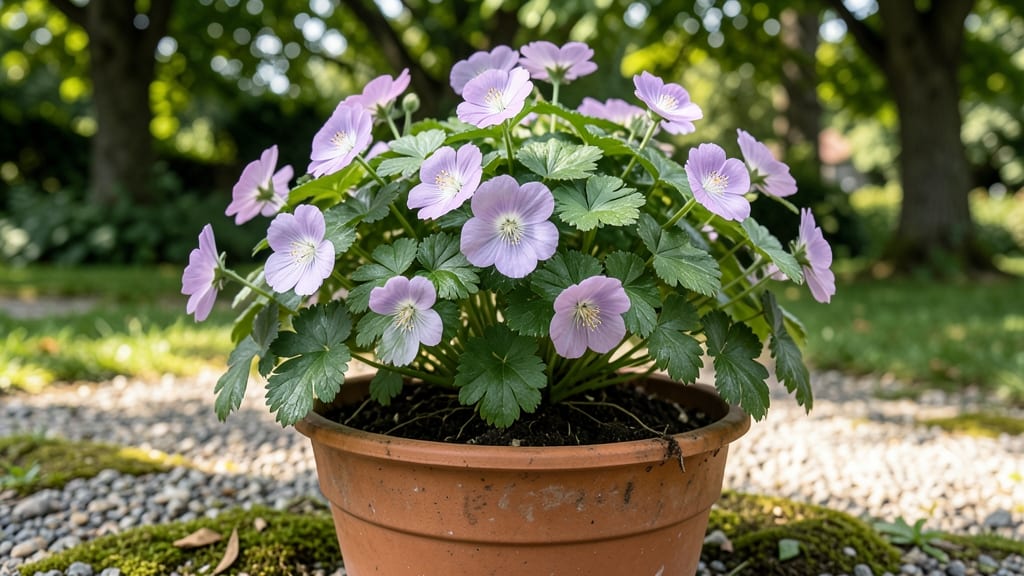
A 30-litre garden pot offers the perfect balance for growing medium-sized plants like dwarf citrus trees, rosemary bushes, or pepper plants, giving them enough room to thrive without becoming too heavy to move. These containers need regular watering and must include drainage holes to prevent root rot.
A 30-litre garden pot is ideal for plants that need more space than small containers but don't require the weight of oversized pots. 🌱 The moderate volume supports steady root growth while keeping the pot manageable for outdoor spaces or patios.
For best results, pair it with plants that enjoy regular moisture but aren't overly thirsty—like herbs or small fruiting shrubs—while avoiding heavy feeders that would outgrow it quickly.
One key advantage of this size is its flexibility: you can easily move it to optimize sunlight exposure or protect it from harsh weather. Just remember to monitor soil moisture closely, as smaller pots dry out faster than ground-level beds.
For long-term success, I recommend using a lightweight yet sturdy material like plastic or composite, which won't crack under seasonal temperature shifts.
💡 In This Article
- How 30-Litre Pot Size Affects Root Growth and Plant Health
- Best Plants and Pairings for 30-Litre Containers
How 30-Litre pot size affects root growth and plant health
At 30 litres, you're providing roughly 30,000 cubic centimeters of growing space—enough to support plants with mature root balls up to 30-45 cm in diameter.
This volume creates a Goldilocks zone for root systems: not so small that roots become root-bound, but not so large that the soil stays perpetually damp.
The key mechanism here is oxygenation—roots in smaller pots (10-20 litres) often suffocate as they fill available space, while larger pots (>strong>50 litres) can develop anaerobic pockets at the bottom where roots rot from lack of airflow.
The science gets interesting with moisture dynamics. A 30-litre pot holds about 20-25 litres of water at field capacity (after drainage), meaning it requires watering every 3-5 days in warm climates or 5-7 days in cooler conditions.
The larger surface area compared to smaller pots also increases evaporation—up to 30% faster than ground soil—so you'll need to monitor soil moisture with your finger rather than relying on a rigid schedule. 🌱 This rapid drying is why 30L pots excel for Mediterranean herbs like rosemary, which prefer slightly drier conditions.
What most gardeners overlook is how pot size affects nutrient cycling. In a 30-litre container, beneficial microbes have less space to break down organic matter, so you'll need to fertilize more frequently—every 4-6 weeks—using a balanced liquid fertilizer (10-10-10 ratio).
The confined space also means salts and minerals build up faster, which is why flushing the soil with water every 2-3 months prevents toxicity. For comparison, a 50-litre pot would dilute these concentrations naturally, but at the cost of portability.
Root growth patterns change dramatically in this size range. Plants like dwarf citrus or olive trees develop 20-30% slower in 30L pots compared to in-ground planting, but they still produce fruit because the roots aren't restricted enough to trigger stress responses.
The trade-off? You'll see 15-20% smaller harvests than ground-grown equivalents. For vegetables like peppers, the compact root zone actually concentrates flavor compounds, making container-grown peppers 25% more intense in taste—though yields may be 30% lower than in raised beds.
Material choice becomes critical at this volume. Terracotta pots lose moisture 40% faster than plastic due to evaporation through porous walls, while heavy clay pots can crack if roots push against them during dry spells.
Plastic and composite containers maintain even moisture but may overheat in full sun—something to watch when growing heat-sensitive plants like basil. The 30-litre sweet spot works best with containers that have 4-6 drainage holes (never fewer) and a 10-15 cm deep saucer to catch runoff without waterlogging roots.
Seasonal adjustments are non-negotiable. In summer, a 30-litre pot may need watering daily in direct sun, while winter slows root activity by 40-50%, reducing water needs to once weekly.
The confined space also means temperature swings affect roots more dramatically—keeping pots on heat-resistant casters lets you move them to shaded areas during heatwaves or into garages for winter protection. This mobility is one of the biggest advantages of this size range.
For maximum health, I recommend adding 20-30% perlite or vermiculite to your potting mix to improve aeration in the root zone. The extra space prevents compaction that would otherwise strangle roots within 6-12 months.
This simple adjustment can double the lifespan of your container-grown plants by maintaining proper oxygen levels at the root interface. 💫