
Planting
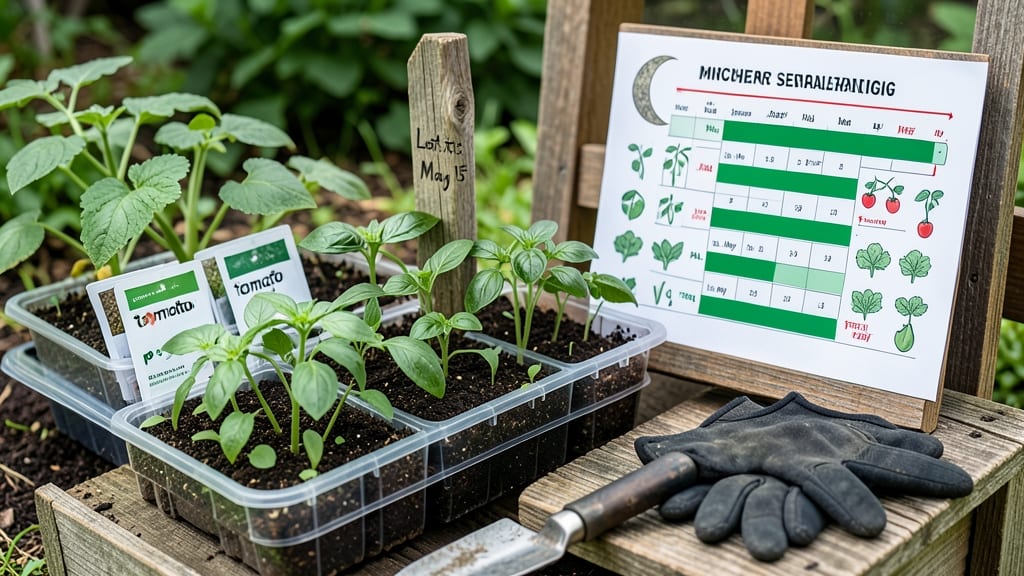
Planting a garden in Michigan at the right time means the difference between a bountiful harvest and wasted seeds.
Michigan’s unpredictable climate can make timing your garden planting a high-stakes guessing game—but getting it wrong could mean wasted seeds or stunted harvests. Knowing the exact frost-free windows for each crop is the key to a thriving garden, whether you’re growing tomatoes in Detroit or zucchini in Traverse City.
With USDA zones 5b-6b and frost dates that shift from mid-April to late May, the perfect planting window isn’t one-size-fits-all. Some crops, like peas and spinach, can handle cooler soil, while others, like tomatoes and peppers, need to wait until the ground is at least 50°F.
In this guide, you’ll learn the ideal planting schedule for Michigan’s most popular 🌱 vegetables, plus tips to extend your growing season and protect late crops from early frosts.
Michigan planting zones & frost dates by region (2024 guide)
Michigan spans USDA Zones 5b, 6a, and 6b, which means frost dates can vary by 2-3 weeks from the Upper Peninsula to Detroit. Understanding your local frost-free window is critical—planting too early risks frost damage, while waiting too long shortens your harvest season.
For example, Traverse City (Zone 5b) typically sees its last frost around May 10-15, while Detroit (Zone 6a) averages April 25-May 5.
NOAA data shows Michigan’s frost dates shift annually, so I recommend checking the 30-year averages and adjusting based on recent trends. For instance, Grand Rapids (Zone 6b) has seen later springs in 2023, pushing last frost dates to May 10-20 instead of the usual April 25-May 5.
Always prepare for unpredictable late frosts by having row covers ready.
Here’s how to use this guide: First, identify your USDA Zone and city-specific frost dates below. Then, subtract your crop’s days to maturity from your first frost date to determine the latest you can plant.
For example, if your first frost is October 15 and your tomatoes take 80 days to mature, you must plant by July 6 to harvest before frost.
🌱
| Region & City | USDA Zone | Avg. Last Frost | Avg. First Frost | Frost-Free Days | 2024 Adjustment Tip |
|---|---|---|---|---|---|
| Upper Peninsula (Marquette, Houghton) | 5b | May 15-25 | September 20-October 5 | 120-140 days | Wait for soil to warm to 50°F; use black plastic mulch. |
| Northern Lower Peninsula (Traverse City, Petoskey) | 5b-6a | May 10-15 | September 25-October 10 | 140-150 days | Monitor NOAA forecasts for late May frosts; cover seedlings. |
| Central Michigan (Grand Rapids, Lansing, Kalamazoo) | 6a | April 25-May 5 | October 5-15 | 150-160 days | Plant warm-season crops after May 15 to avoid frost risk. |
| Southeast Michigan (Detroit, Ann Arbor, Toledo) | 6a-6b | April 20-May 1 | October 10-20 | 160-170 days | Start cool-season crops indoors in March for earlier harvests. |
| Thumb Region (Bad Axe, Port Huron) | 6b | April 15-25 | October 15-25 | 170-180 days | Extend season with row covers for late fall crops like kale. |
If you’re in Zone 5b (Upper Peninsula), focus on fast-maturing crops like bush beans (50 days) or radishes (25 days) to maximize your shorter growing season.
In Zone 6b (Thumb Region), you can afford slightly slower varieties like heirloom tomatoes (80-90 days) or peppers (70-80 days), but always plant them after your last frost date.
For Ann Arbor (Zone 6a), I recommend using the 50°F soil rule—wait until mid-May to plant warm-season crops like tomatoes, peppers, and cucumbers. In Grand Rapids (Zone 6b), you can push the envelope slightly earlier, but keep row covers handy for late-May surprises.
Historical data from NOAA shows that 2023’s last frost in Grand Rapids occurred on May 12, a full week later than the 30-year average.
To account for unpredictable frost years, I suggest planting 10-15% of your seeds indoors or in a greenhouse 2-3 weeks before your average last frost date. This gives you a buffer if Mother Nature has other plans.
For example, if your last frost is May 10, start pepper seeds indoors on April 1
Best planting schedule for Michigan’s most popular vegetables (by crop type)
Timing your vegetable garden in Michigan isn’t just about waiting for spring—it’s about matching each crop to its ideal temperature window and frost-free period. The state’s USDA zones 5b-6b give us a short but productive growing season, so planning ahead ensures you maximize yields.
Cool-season crops like spinach and peas thrive in early spring or fall, while tomatoes and peppers need the warmth of late May and June.
Michigan’s last frost dates vary by region—typically mid-April to early May in southern areas and late May to June in the Upper Peninsula. Warm-season crops can’t tolerate frost, so hold off until soil temperatures hit at least 60°F.
Meanwhile, cool-season crops can handle light frosts and even prefer cooler weather for optimal growth. Succession planting is your secret weapon for continuous harvests, especially for fast growers like radishes or bush beans.
- Early Spring (March-April): Start cool-season crops indoors (e.g., tomatoes, peppers) or sow hardy greens like spinach and kale outdoors once soil is workable (around 40°F).
- Mid-April to Early May: Plant peas, radishes, and lettuce outdoors after last frost risk passes in southern Michigan. Use row covers for extra protection.
- Late May to Early June: Transplant tomatoes, peppers, and cucumbers after soil warms to 60°F+. Direct-sow beans, corn, and squash once nights stay above 50°F.
- June to Early July: Begin succession planting for bush beans, carrots, and beets every 2-3 weeks for staggered harvests. Avoid planting warm-season crops too late—they need 90+ days to mature.
- August-September: Switch to fall crops like broccoli, cauliflower, and turnips. Plant spinach and kale for a late-season harvest before first frost (mid-October in most areas).
For warm-season crops, timing is critical. Tomatoes and peppers should go in the ground 2-3 weeks after your last frost date—no earlier, or they’ll sulk in cold soil. Michigan-specific varieties like ‘Early Girl’ tomatoes or ‘Sweet Banana’ peppers are bred to handle shorter seasons.
If you’re in the Upper Peninsula, opt for faster-maturing varieties with 60-70 day harvest times.
Succession planting isn’t just for warm-season crops—cool-season greens and root vegetables benefit too. Sow radishes every 2 weeks from April to July for a steady supply. Lettuce and spinach can be planted in early spring and again in late summer for a fall harvest.
This technique ensures you’re never without fresh produce, even in Michigan’s short growing season.
Don’t overlook fall planting—it’s your ticket to a second harvest. Broccoli, cabbage, and kale planted in August can withstand light frosts and even taste sweeter after a light freeze.
Just be sure to plant them 8-10 weeks before your first frost to ensure maturity. In northern Michigan, aim for early August plantings, while southern regions can push it to mid-September.
Pro tip: Use Michigan State University’s Garden Guide or local Master Gardener resources to fine-tune your schedule based on your exact location. And always keep an eye on weekly frost forecasts—they’re your best friend for adjusting planting dates in unpredictable years.
With the right timing, you’ll turn Michigan’s short season into a bounty of fresh, homegrown vegetables! 🌱