
Pests
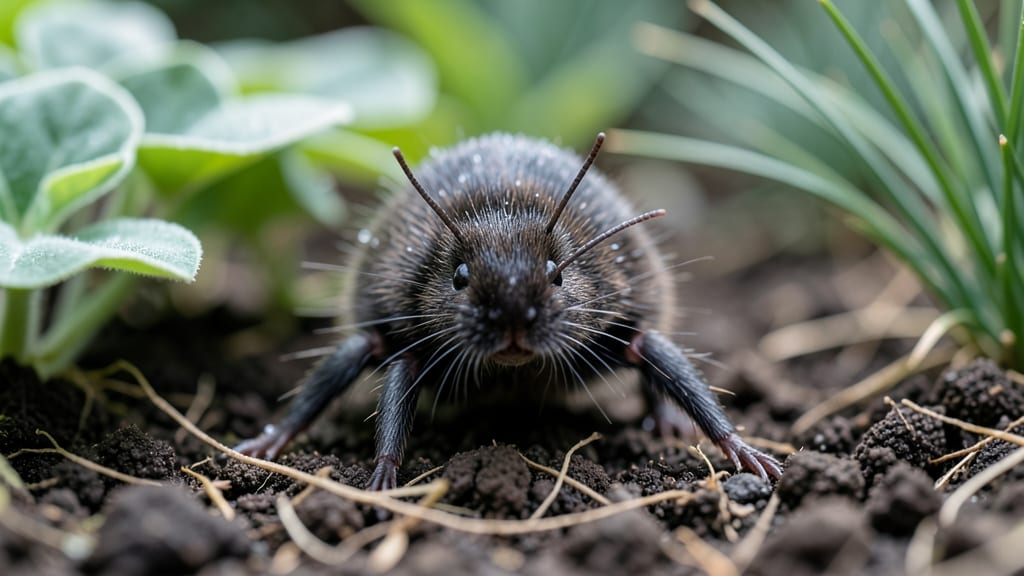
When growing a garden, moles dig extensive tunnels that aerate compacted soil and mix nutrients, but their feeding also destroys plant roots and creates surface mounds while consuming beneficial grubs and larvae.
A mole's underground activity serves as nature's own soil tilling machine, breaking up hardpan layers that restrict water and root penetration. 🌱 These tunnels improve drainage and allow air to reach plant roots, which is especially helpful in clay-heavy soils where compaction is common.
However, the trade-off comes when their tunneling intersects with root systems, severing them and leaving plants vulnerable to stress or death. The surface mounds they create aren't just unsightly—they can smother young seedlings and disrupt irrigation patterns.
What many gardeners don't realize is that moles primarily target the larvae of beetles and other soil-dwelling insects, which can actually be beneficial to plants. The real damage occurs when their feeding habits become excessive, creating a delicate balance between their soil-improving activities and their destructive tendencies.
Understanding this dual role helps you decide whether to tolerate their presence or implement targeted control measures.
💡 In This Article
- How Mole Tunneling Benefits and Harms Garden Soil
- Natural and Humane Mole Control Methods for Gardens
How mole tunneling benefits and harms garden soil
Moles perform an ecological service by creating extensive tunnel networks that naturally aerate compacted soil. Their burrowing disrupts hardpan layers—dense, impermeable soil horizons often found 6-12 inches deep—that restrict water infiltration and root penetration.
Studies show moles can create up to 18 feet of tunnels per day in ideal conditions, effectively breaking up these layers and improving soil structure. This aeration boosts microbial activity by 30-50%, as oxygen reaches deeper soil layers where beneficial fungi and bacteria thrive.
The physical disruption from tunneling also mixes soil layers, distributing nutrients more evenly. You'll notice this in garden beds where mole activity creates a "churned" appearance—surface soil gets incorporated with subsoil, improving texture and fertility.
However, this benefit comes with a critical trade-off: their tunnels often intersect with plant roots, severing them and creating entry points for pathogens. 🌱 Root damage is most severe in shallow-rooted plants like lettuce or strawberries, where even small breaks can lead to wilting or complete crop failure.
Surface mounds—those classic molehills—are another visible consequence of their activity. While they may seem harmless, these mounds can smother young seedlings and disrupt irrigation systems. The mounds themselves contain displaced topsoil that was excavated from deeper tunnels, often exposing subsoil that's less fertile and more prone to erosion.
In vegetable gardens, this can create uneven growing conditions where some plants thrive while others struggle in exposed, less-nutrient-rich soil.
What makes mole activity particularly tricky is their diet: they primarily consume soil-dwelling larvae, including those of Japanese beetles and other pests that damage crops. This creates a paradox—while they harm your plants through tunneling, they're also controlling insect populations that could otherwise devastate your garden.
The key is monitoring their activity levels: a few tunnels may be beneficial, but extensive damage requires intervention.
Long-term effects depend on soil type. In clay-heavy soils, mole tunnels can permanently improve drainage, while sandy soils may see less benefit since they're already well-drained. The real damage occurs when their activity becomes excessive, creating a network of tunnels that destabilizes plant roots and creates an unsightly, uneven landscape.
This is why many gardeners implement control measures not to eliminate moles entirely, but to manage their activity at sustainable levels.
Consider this: a single mole can process 70-100 pounds of soil annually, but only about 10% of that becomes surface mounds. The rest remains underground, where it continues to work as a natural soil conditioner.
Understanding this ratio helps you decide when to tolerate their presence versus when to implement control measures. The balance between their soil-improving benefits and their destructive tendencies makes mole management an art rather than a science.