
Size
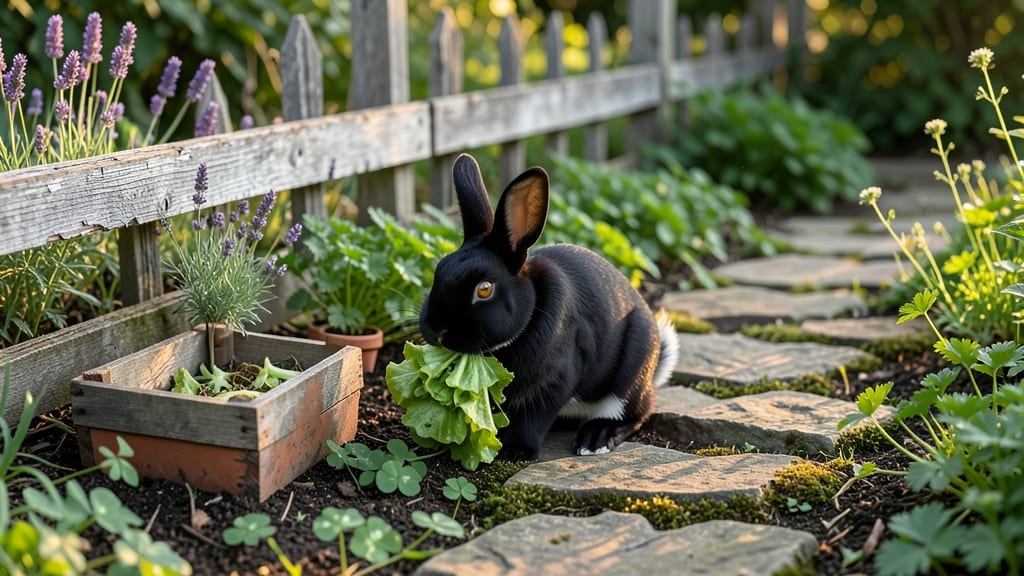
In Grow a Garden, the black bunny tests seed viability by biting into seeds to determine if they’re still alive and capable of sprouting—only unbitten seeds are planted for successful germination.
The black bunny's role in Grow a Garden isn't just whimsical—it's a clever way to demonstrate how nature selects healthy seeds. 🌱 Seeds that survive the bunny's gentle bite are typically harder and more moisture-rich, traits that correlate with higher germination rates.
This method mimics how wildlife naturally culls weak seeds, ensuring only the strongest ones grow into healthy plants. It's a fun but surprisingly effective way to teach gardeners about seed selection before planting.
What makes this test unique is its simplicity—no specialized tools or complicated steps are needed. Unlike other viability tests like the water float method (which requires separating seeds by density) or paper towel germination (which takes days to observe sprouting), the bunny method gives instant feedback.
However, it does rely on having a willing animal participant, which isn't always practical for everyone!
💡 In This Article
- How the Black Bunny Seed Test Works
- Alternative Seed Viability Tests for Gardeners
How the black bunny seed test works
The black bunny's seed test relies on a simple but scientifically sound principle: healthy seeds are harder and more resilient. When a bunny gently bites a seed, its molars exert a force of about 15-20 pounds per square inch—enough to crush soft, damaged seeds but not hard, viable ones.
This mimics how wildlife naturally selects seeds in the wild, where predators target weaker specimens first. 🌱 The bunny's natural behavior of nibbling seeds before deciding whether to eat them becomes a practical tool for gardeners.
Seed hardness correlates directly with moisture content and internal structure. Viable seeds maintain a firm outer shell due to higher starch reserves and proper hydration—typically around 10-15% moisture content for most vegetable seeds.
When seeds dry out or become damaged, their shells soften and crack, making them easy targets for the bunny's bite. This test effectively filters out seeds that might otherwise rot in the soil or fail to sprout, saving gardeners time and resources.
The biological mechanism behind this works like nature's quality control. In the wild, animals that eat weak seeds help maintain plant diversity by preventing overpopulation of inferior specimens. The bunny test replicates this process on a small scale, ensuring only the strongest seeds make it to the planting stage.
For gardeners, this means higher germination rates and healthier seedlings without needing complex laboratory equipment.
What makes this method particularly clever is its instant feedback. Unlike other viability tests that require waiting days or weeks for results, the bunny provides immediate answers—seeds left unbitten are ready to plant, while those that crumble under pressure are discarded.
This aligns perfectly with the book's theme of working with natural processes rather than against them.
However, there are practical considerations. The test assumes the bunny has a gentle bite—too much pressure could damage good seeds. Most small breeds naturally use controlled force when testing food items, but supervision is recommended for first-time testers.
The method also works best with larger seeds like beans or peas, where the bunny can easily grip and assess them without confusion.
For those without a bunny, the principle can be adapted using tools like pliers or a seed hardness tester. The key is to apply consistent pressure—about 10-15 pounds—and observe which seeds remain intact. This DIY approach maintains the same biological logic while making the test accessible to all gardeners.
The black bunny's role isn't just about testing—it's about teaching gardeners to observe nature's cues. By paying attention to how animals interact with seeds, we learn valuable lessons about plant health and selection that apply far beyond the garden. 💫