
Tools
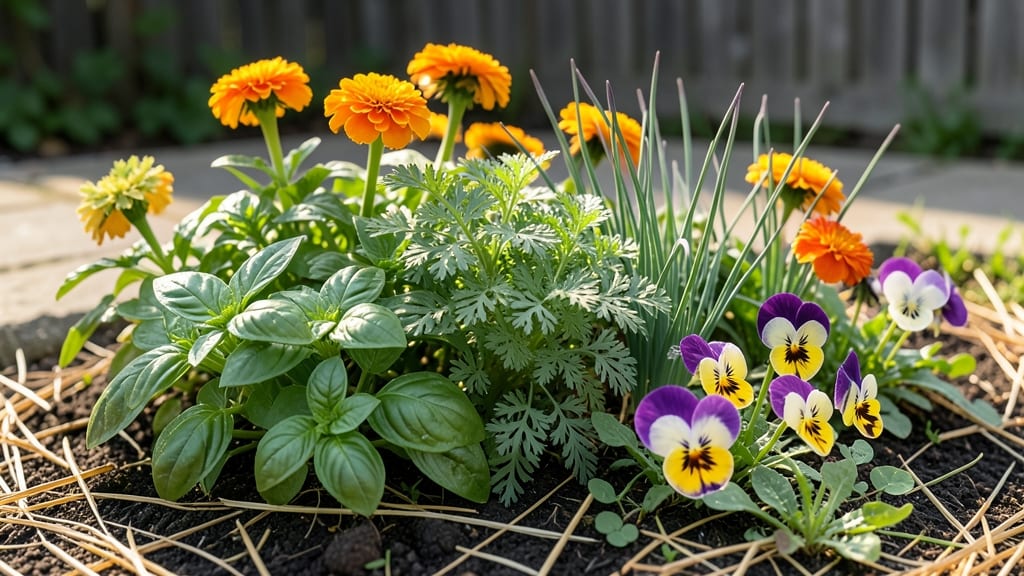
Gardening means growing and caring for plants—whether edible crops, decorative flowers, or medicinal herbs—to create beauty, food, or healing benefits. It combines practical skills like soil preparation and pest management with artistic expression through plant arrangement and design.
At its heart, gardening is about nurturing life through hands-on work with nature. 🌱 Whether you're tending a backyard vegetable patch, arranging colorful annuals in pots, or cultivating rare herbs for tea blends, the core process remains the same: providing the right conditions for plants to thrive.
This includes understanding soil composition, managing water needs, and protecting plants from pests—all while adapting to your local climate. Many gardeners also find deep satisfaction in the therapeutic aspects, like reducing stress through mindful plant care or connecting with seasonal cycles.
What sets gardening apart from simple plant care is its intentionality. Every gardener makes choices about what to grow, how to grow it, and why—whether for fresh produce, pollinator-friendly landscapes, or sustainable living. The practice blends science (like knowing when to prune) with creativity (like designing a pollinator garden).
For me, it's always been about that perfect balance between following proven methods and letting nature guide the process.
💡 In This Article
- Core Elements of Gardening: Techniques and Principles
- Types of Gardening: From Urban to Organic
Core elements of gardening: techniques and principles
Gardening transforms raw earth into thriving ecosystems through four foundational practices: soil science, water management, light optimization, and pest prevention. The soil isn't just dirt—it's a living matrix of minerals, microbes, and organic matter where roots breathe and nutrients exchange.
For example, compost adds microbial diversity that breaks down organic material into plant-accessible nutrients like nitrogen and phosphorus, while proper drainage prevents root rot. A well-prepared garden bed might contain 50% mineral soil, 25% compost, and 25% perlite or sand for ideal texture.
Watering follows the principle of "deep and infrequent" rather than light daily doses. Plants develop deeper root systems when they search for moisture, making them more drought-resistant.
A tomato plant, for instance, needs about 1-2 inches of water per week, delivered directly to the soil rather than overhead to prevent fungal diseases.
The right watering schedule also depends on your climate—desert regions might require early morning irrigation to reduce evaporation, while humid areas need afternoon watering to prevent mildew. 💧
Sunlight exposure determines what you can grow and where. Leafy greens like lettuce thrive in partial shade (4-6 hours of sun), while tomatoes demand full sun (6-8+ hours). The angle of sunlight changes seasonally, so south-facing plots in the Northern Hemisphere receive maximum winter sun.
Gardeners use tools like sun calculators to map light availability, adjusting plant placement accordingly. Even indoor gardeners must replicate sunlight with grow lights that emit 12-16 hours of full-spectrum light daily.
Pest control blends prevention with intervention. Healthy soil naturally supports beneficial insects like ladybugs that prey on aphids, while crop rotation prevents soil-borne diseases. For example, planting marigolds among tomatoes deters nematodes through their natural pyrethrin compounds.
When pests appear, organic solutions like neem oil or insecticidal soap target specific threats without harming pollinators. The key is monitoring plants regularly—catching problems early often means the difference between a minor leaf treatment and a full-blown infestation.
Seasonal cycles dictate the gardening calendar. Spring focuses on soil prep and early planting, summer on consistent care and harvesting, fall on soil enrichment with cover crops, and winter on planning and tool maintenance.
Each season tests a gardener's adaptability—like adjusting planting dates by 2-3 weeks earlier due to climate shifts or protecting tender plants with row covers during unexpected frosts. This cyclical rhythm connects gardeners to nature's patterns, making the process both practical and deeply satisfying. ✨
What makes gardening uniquely rewarding is how these elements interact. A well-balanced garden isn't just about individual plants thriving—it's about creating a self-sustaining system where every component supports the others. For instance, companion planting (like basil near tomatoes) improves flavor and yield while deterring pests.
This holistic approach turns gardening from a hobby into a living classroom about ecology, patience, and the delicate balance of nature.