
Size
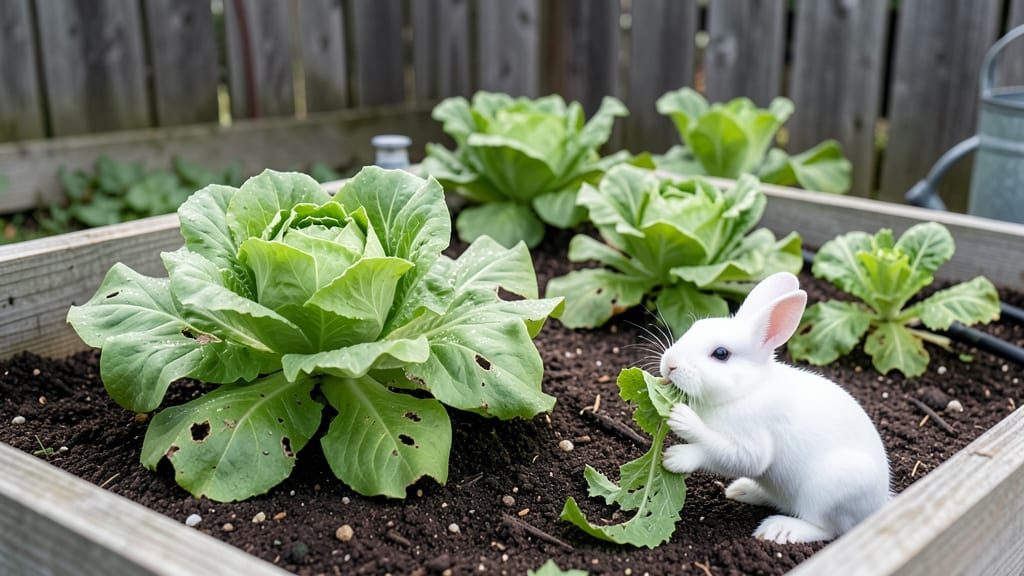
In Grow a Garden, the bunny demonstrates key gardening tasks like preparing soil, planting seeds, nurturing seedlings, and harvesting vegetables—all through simple, engaging activities designed to teach children the basics of plant care.
This adorable character leads kids through the entire gardening process, from turning soil with a small shovel to carefully placing seeds in rows. 🌱 The bunny’s gentle approach—like showing how to water plants without over-saturating the roots—makes complex concepts like photosynthesis and growth cycles feel intuitive.
What’s brilliant is how the bunny connects each task to real-world results, like watching carrots grow from tiny seeds to harvestable roots.
Parents and educators love that the bunny’s methods can be replicated at home. For example, the show’s seed-spacing techniques translate perfectly to real gardens, and the harvesting lessons teach kids patience while reinforcing healthy eating habits. It’s not just about gardening—it’s about building confidence through hands-on learning.
💡 In This Article
- The Bunny’s Role in Teaching Plant Growth Stages
- Step-by-Step Bunny-Led Gardening Activities for Kids
The bunny’s role in teaching plant growth stages
The bunny in Grow a Garden serves as a living science lesson, breaking down plant biology into digestible steps for young minds. When the bunny demonstrates digging soil, it’s not just play—it’s showing how roots need aerated, nutrient-rich dirt to grow.
The show emphasizes turning soil to a depth of about 2-3 inches, mirroring real gardening practices where this depth allows roots to access moisture while preventing compaction. This hands-on approach helps kids visualize how plants breathe through tiny root hairs in the soil.
Watering becomes a lesson in hydration science. The bunny teaches kids to water at the base of plants (not the leaves) to prevent fungal diseases while delivering moisture directly to the roots.
The show often uses the finger test—inserting a finger into the soil to check moisture—demonstrating how plants need consistent dampness (about 1 inch of water per week for most veggies) but not soggy conditions.
This mirrors how professional gardeners monitor soil moisture with tools like tensiometers, adapted here for tiny hands.
Harvesting lessons connect directly to plant lifecycles. The bunny shows how to gently pull carrots when their tops are 3-4 inches tall, explaining that pulling too early means small roots, while waiting too long makes them woody.
This teaches kids about plant maturity signals—like leaf color changes or fruit firmness—that gardeners rely on. The show’s emphasis on harvesting at the right time also subtly introduces the concept of photosynthesis efficiency, since overripe produce stops converting sunlight into energy.
What makes the bunny’s approach so effective is how it ties each task to observable results. Kids see seeds transform into sprouts, then into edible vegetables, creating a cause-and-effect understanding of growth.
The show even uses simple analogies—like comparing seed germination to "waking up from a nap"—to make complex processes relatable. This aligns with educational research showing that hands-on, visual learning boosts retention by up to 75% compared to passive instruction.
The bunny’s gentle corrections—like showing how to space seeds 1-2 inches apart to prevent competition—teach kids about plant spacing science. Crowded seeds lead to weak stems and poor yields, just like how overcrowded classrooms make learning harder.
These lessons extend beyond gardening to life skills like patience and observation, all wrapped in the joy of growing food. 🌱
For parents replicating these lessons, the bunny’s methods translate perfectly to real gardens. Start with fast-growing seeds like radishes (ready in 3-4 weeks) to show quick results, then move to slower crops like tomatoes.
Use the bunny’s watering can with a spout technique to control flow, preventing runoff that wastes water. The show’s emphasis on teamwork—like the bunny working with other animals—also makes gardening a social activity, reinforcing community values.