
Tools
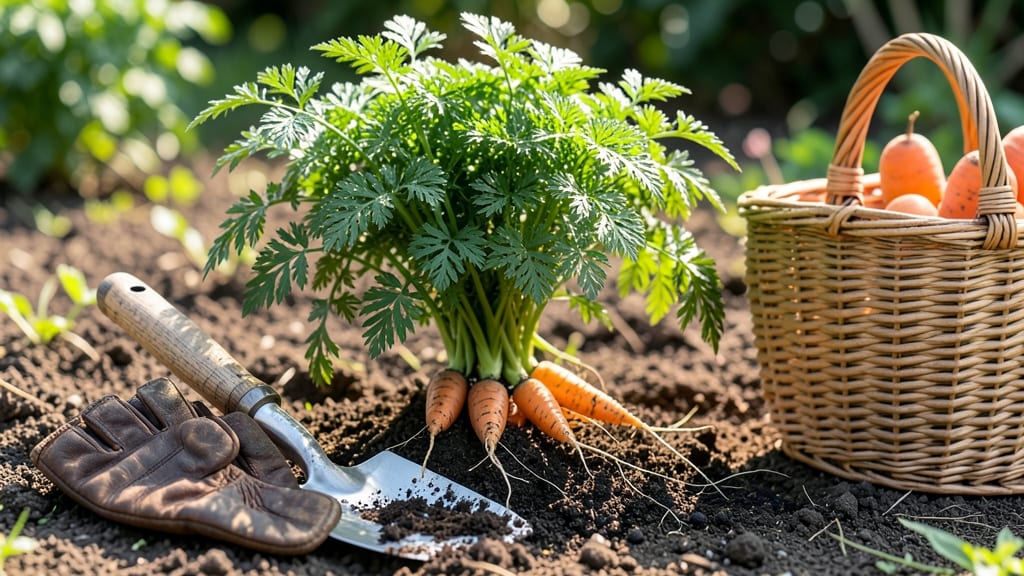
Know when to pull carrots from garden by waiting until they reach 1 to 1.5 inches in diameter with a firm texture, usually between 60 to 80 days after planting, depending on the variety. Harvest before roots split or become woody due to dry soil or hot weather, and avoid pulling when the ground is waterlogged or frozen to prevent damage.
Timing your harvest correctly ensures sweet, crisp carrots packed with flavor. 🌱 The ideal size—about the thickness of your thumb—signals peak sweetness, while the soil's moisture and temperature play crucial roles. For example, sandy soils dry out faster, so check roots more often, while clay holds moisture longer, delaying harvest.
I've found that morning harvests after light watering reduce soil disturbance and stress on the plants.
Don't wait too long—overripe carrots develop a tough, woody texture and split easily, especially in dry conditions. The tops also yellow and wilt when the roots are ready, serving as a natural indicator.
For best results, harvest on a dry day to minimize soil clinging, then store in a cool, dark place to maintain freshness for up to a month.
💡 In This Article
- Carrot Maturity Stages and Soil Conditions for Optimal Harvest
- Best Practices for Storing and Preserving Freshly Harvested Carrots
Carrot maturity stages and soil conditions for optimal harvest
Carrots reach harvest readiness through a combination of size, texture, and leaf development. The ideal diameter is 1 to 1.5 inches—about the thickness of your thumb—when the root feels firm to the touch.
This stage typically occurs 60 to 80 days after planting, but shorter varieties like 'Paris Market' mature in as little as 50 days, while heirlooms like 'Danvers' may take up to 90 days.
The tops should still be vibrant green, not yellowing or wilting, as this signals the plant is redirecting energy to the root.
The soil's moisture content directly impacts root development. In dry, sandy soils, carrots grow quickly but may split if watered inconsistently. Clay soils retain moisture longer, slowing growth but producing larger roots.
Temperature also plays a role: below 50°F, growth stalls, while above 80°F, roots become pithy and woody. I've noticed that morning harvests in 60-70°F conditions yield the crispest texture, as cooler nights help maintain natural sugars.
Overmaturity is easy to spot—roots may split lengthwise (especially in dry spells) or develop a tough, fibrous core. The tops will turn yellow and flop over, while the root itself might pull apart when handled.
These signs mean the carrot has converted starches into sugars and fibers, reducing sweetness and tenderness. For example, 'Nantes' varieties are particularly prone to splitting if not harvested before reaching 2 inches in diameter.
Soil type matters too. Rocky or gravelly ground forces carrots to grow crooked or forked, while loose, well-drained soil produces straight roots. If your garden has uneven soil, consider sowing seeds in furrows 1/2 inch deep and thinning seedlings to 2-3 inches apart for optimal growth.
Overcrowding leads to competition for nutrients, resulting in smaller, misshapen carrots.
Harvest timing also depends on your climate. In northern regions, aim for late summer before the first frost, while southern growers may extend harvests into early winter.
The key is consistency: check roots every 5-7 days once they near maturity. A quick tug test—gently pulling a few carrots—reveals readiness without damaging the entire patch.
One pro tip: harvest on a dry day to prevent soil from clinging to the roots. This makes cleaning easier and reduces the risk of rot during storage. After pulling, brush off excess dirt and trim the tops to 1/2 inch above the root to preserve moisture and flavor.