
Propagation
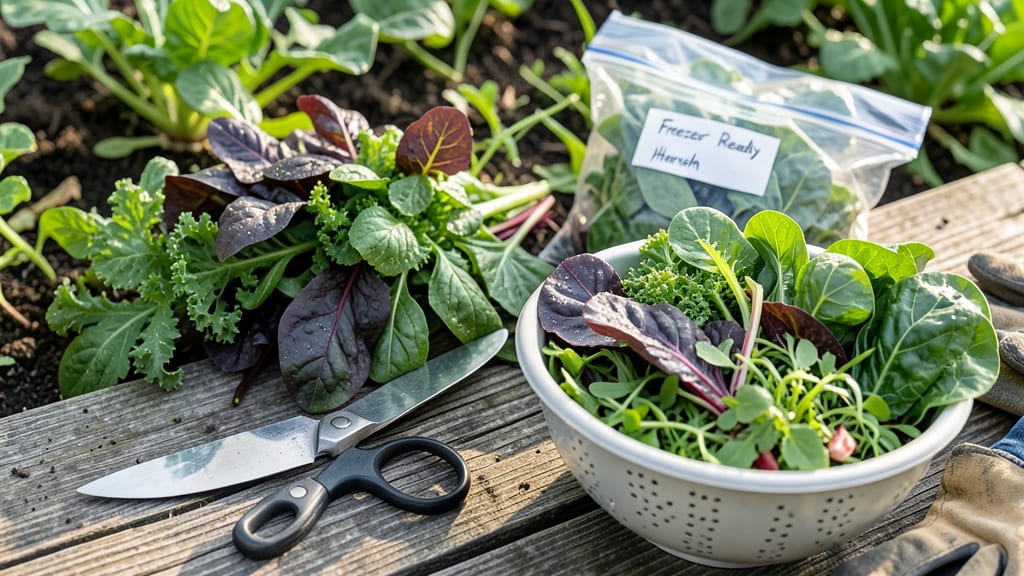
You can freeze hardy leafy greens like kale, Swiss chard, collard greens, and spinach straight from your garden by blanching them first, then storing in airtight containers or freezer bags for up to 12 months. Delicate greens like lettuce or arugula won't hold up well and turn mushy.
Freezing garden greens is a game-changer for extending their shelf life without sacrificing quality.
The key is selecting hardy varieties that withstand freezing—think kale's robust leaves or Swiss chard's thick stems. 🌱 Blanching (dipping in boiling water then ice bath) stops enzyme activity that causes spoilage, locking in vibrant color and nutrients like vitamin C. For best results, portion greens into 1-cup servings before freezing to avoid thawing entire bags.
This method keeps them fresh for months, perfect for winter soups or stir-fries.
What sets these greens apart is their cellular structure—thick leaves and stems resist ice crystal damage better than delicate varieties. For example, collard greens maintain their texture even after freezing, while spinach's tender leaves benefit from blanching to prevent bitterness.
Always use airtight containers or heavy-duty freezer bags to minimize freezer burn. When ready to use, thaw directly in the fridge overnight for the best texture in recipes.
💡 In This Article
- Why Blanching Preserves Garden Greens’ Texture and Nutrition
- Step-by-Step Freezing Prep for Garden-Harvested Greens
Why blanching preserves garden greens’ texture and nutrition
Blanching works like a science experiment—it pauses the natural breakdown of your greens by stopping enzyme activity. When you harvest fresh greens, enzymes like peroxidase and lipoxygenase start breaking down cell walls, causing discoloration and texture loss.
Dipping leaves in boiling water for 1-3 minutes (depending on the green) deactivates these enzymes, while the ice bath afterward halts the cooking process instantly. This two-step method preserves the vibrant green color and crisp texture that makes frozen greens perfect for later use. 🔥
The temperature contrast is critical—boiling water at 212°F kills enzymes, while the ice bath (around 32°F) locks in nutrients like vitamin C (which degrades at rates of 10-20% per month when unblanched) and folate.
For example, spinach loses only 5-10% of its vitamin C when blanched and frozen properly, compared to 50%+ loss in unblanched greens stored the same way. The blanching water also removes surface dirt and some bitter compounds, making the final texture smoother and flavor more pleasant.
Without blanching, your frozen greens will develop an unpleasant "cooked" taste and turn mushy from ice crystal damage. The cell walls in unblanched greens rupture during freezing, releasing water that expands and tears the structure. This is why delicate greens like lettuce fail—their thin cell walls can't handle the stress.
Hardy greens like kale, however, have thicker leaves that maintain their shape better after freezing, even without perfect blanching. Still, proper blanching extends their usable life from 3-6 months to 10-12 months in the freezer.
Consider this comparison: blanched Swiss chard retains its bright green color and slightly sweet flavor, while unblanched chard turns olive-gray and bitter. The blanching process also softens the stems slightly, making them easier to chop later.
For best results, use a large pot with plenty of water (at least 1 gallon per pound of greens) and a bowl of ice water ready to plunge the greens into immediately after blanching. This rapid cooling is what preserves their cell structure and prevents overcooking.
Another pro tip: The shorter the blanching time, the better the texture. For example, spinach needs only 1-2 minutes in boiling water, while collard greens can handle 2-3 minutes due to their thicker leaves. Over-blanching breaks down cell walls prematurely, leading to mushier results.
Always test a small batch first to find your green's perfect blanching window. This attention to detail makes all the difference in your frozen greens' quality.