
Picking
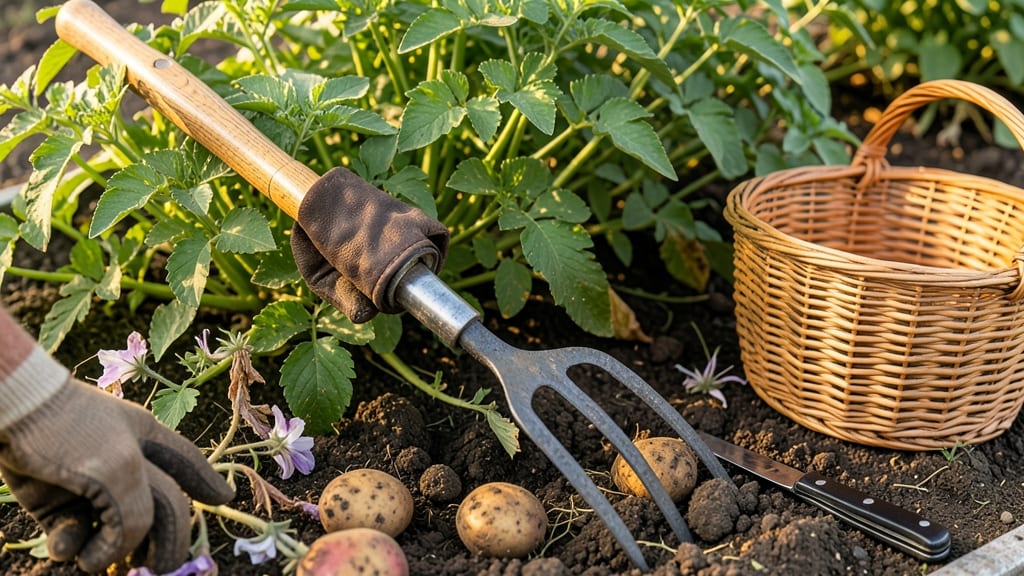
Harvesting potatoes from the garden at the right time ensures perfect, flavorful tubers—whether you want baby potatoes or storage-worthy spuds.
Digging up potatoes too early means tiny, underdeveloped tubers—but waiting too long risks shriveled, green-skinned harvests. Timing is everything, and these science-backed tricks will help you pull potatoes at peak flavor and size every time.
You’ll learn how to use the finger-poke test to check tuber readiness, recognize when foliage signals maturity, and adjust for early vs. late varieties.
From soil conditions to blossom clues, this guide covers everything you need for a perfect harvest—no guesswork, just great potatoes.


How to use the finger-poke test for perfect potato harvest timing
Determining the perfect time to harvest potatoes can feel like guessing—until you master the finger-poke test. This simple, science-backed method helps you check tuber size and maturity without damaging your crop.
By testing the soil and tubers at the right stages, you’ll avoid both underdeveloped potatoes and overripe tubers that turn green or shriveled. The key is timing: start testing when plants flower and continue until foliage yellows.
Before you poke, ensure your soil is dry enough to avoid muddying the test. Ideal conditions include warm soil temperatures (above 60°F) and a dry surface layer. If the soil is too wet, wait a day or two—this test only works when the earth is crumbly.
Start by gently probing the soil around the plant base with your finger, about 4-6 inches deep, where most tubers form.
Here’s how to perform the test correctly to avoid damaging your crop:
If you’re growing early varieties (like Yukon Gold or Red Pontiac), you can start harvesting new potatoes as early as 50-60 days after planting. These smaller tubers are tender and perfect for boiling or roasting.
For storage varieties (such as Russet or Kennebec), wait until the foliage yellows completely—this signals the tubers have fully matured and developed thick skins for long-term storage.
One common mistake is over-poking the soil, which can cause tuber bruising or even expose potatoes to light, leading to green (toxic) skin. Limit your finger-poking to 2-3 tests per plant and always use a clean, dry finger to avoid introducing soil-borne diseases.
If you’re unsure, dig up one potato from a test area—if it’s small and firm, wait another week before harvesting.
Pro tip: Mark your planting rows with stakes or flags to track test spots. This helps you avoid digging in the same area repeatedly and ensures you don’t miss any hidden tubers. For large gardens, test 3-4 plants per variety to get an accurate reading of maturity across your crop.
Remember, the finger-poke test is your best friend for timing harvests without guesswork. Combine it with observing foliage changes and soil conditions, and you’ll pull potatoes at their peak—whether you’re after tender new potatoes or hardy storage varieties.
Once you master this method, you’ll never again dig up potatoes too early or too late!
🌱
Blossom and leaf clues: when flowers tell you it’s time to harvest
Potatoes don’t come with a calendar reminder, but your plants will whisper the perfect time to harvest through their flowers and leaf signals. Early varieties like Yukon Gold might signal readiness in 70-80 days, while late varieties like Russet take 100-120 days.
Pay attention to these natural cues to avoid underdeveloped tubers or green-skinned disappointments.
When your potato plants bloom, it’s a countdown to harvest—but don’t rush! Early-blooming varieties (like Red Pontiac) often produce new potatoes just before flowers fully open.
For storage potatoes, wait until half the flowers have fallen and the vines start yellowing. This timing ensures tubers have reached 2-3 inches in diameter.
| Signal | What It Means | Action |
|---|---|---|
| Flowers appear | Early varieties: dig for new potatoes in 1-2 weeks | Test soil with finger-poke method |
| Half flowers fallen | Late varieties: tubers are growing rapidly | Reduce watering to toughen skins |
| Leaves yellow/brown | Plant is redirecting energy to tubers | Harvest within 1-2 weeks before frost |
| Vines die back | Tubers are fully mature; skin thickens | Cure potatoes in dark, dry place for 1-2 weeks |
Yellowing leaves are your final warning that harvest time is near. When 50-70% of foliage turns yellow or brown, it’s time to dig—especially in cooler climates where frost threatens.
For early varieties, you can harvest new potatoes as soon as leaves start yellowing, but wait 1-2 weeks longer for storage potatoes to develop thicker skins.
Don’t ignore vine dieback, even if leaves aren’t fully yellow. This signals the plant is redirecting nutrients to tubers, meaning they’re nearing peak maturity. For late varieties, dig when vines are completely brown and crispy.
If you wait too long, tubers may sprout or develop green skin from sunlight exposure.
Adjust your timing based on your climate zone. In warmer regions (Zones 8-10), potatoes may mature faster, so harvest when flowers fall and leaves yellow. In cooler zones (Zones 3-6), wait until full vine dieback to avoid frost damage.
Always harvest on a dry, sunny day to prevent soil from sticking to tubers.
Pro tip: If you’re unsure, do a quick soil check. Gently dig near the plant—if you find 2-inch tubers, they’re ready! For storage potatoes, wait until most tubers are 3+ inches in diameter. The right timing means firm, flavorful potatoes that store perfectly.