
Plants
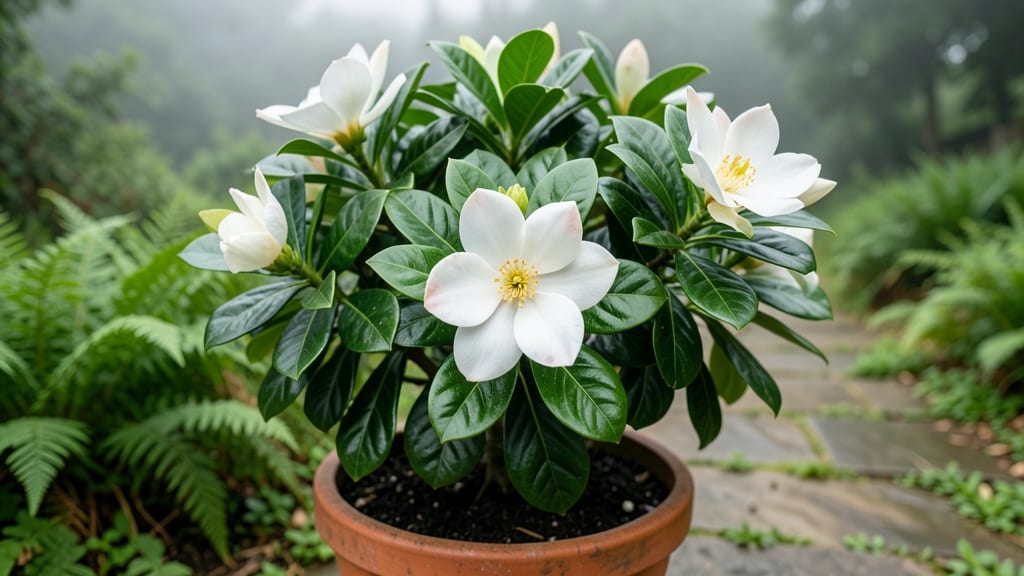
Gardenia plants bloom in late spring through summer 🌸, typically between May and September, depending on where you live and how you care for them.
If you’ve ever dreamed of filling your garden with intoxicating gardenia blooms, timing is everything—these fragrant beauties thrive on precise seasonal cues. But when exactly will your gardenia plant reward you with those lush, creamy-white flowers?
In USDA Zone 6a and cooler regions, gardenias often wait until June to burst into bloom, while tropical climates may see flowers as early as April. The key to encouraging earlier blooms lies in mimicking their natural habitat: acidic soil, bright but indirect light, and consistent moisture.
Below, I’ll break down the exact months your gardenia will likely bloom, the 5 factors that speed up flowering, and common mistakes that delay those coveted creamy petals.
Gardenia bloom timeline: month-by-month flowering schedule by climate Zone
Timing is everything when it comes to gardenia blooms. These fragrant shrubs follow a predictable schedule, but their flowering windows vary dramatically between USDA Zones 7-11.
Whether you live in the humid tropics of Zone 11 or the milder Zone 9 coastal areas, understanding your local climate's rhythm will help you predict when those creamy-white blooms will appear.
In temperate zones (7-9), gardenias typically bloom from late spring through summer, with peak flowering in June and July. However, tropical gardenias in Zones 10-11 often enjoy multiple blooming cycles, sometimes year-round with proper care.
The key difference? Temperature sensitivity—gardenias need warm soil and air to trigger bud formation, which happens much earlier in warmer climates.
Your gardenia's planting time also plays a crucial role. Spring-planted gardenias often bloom the following year, while fall-planted specimens may wait until their second spring to reward you with flowers. This timing difference occurs because gardenias need established roots before they'll devote energy to flowering.
Here's your month-by-month guide to gardenia blooming across USDA Zones 7-11, including tropical variations and how to adjust care for optimal flowering:
🌸 Gardenia Bloom Timeline by Climate Zone
| Zone | Bloom Window | First Buds | Peak Blooms | Notes |
|---|---|---|---|---|
| 7-8 | May - September | Late May | June - July | Needs warm soil; may bloom later in Zone 7 |
| 9 | April - October | Early April | May - August | Longer bloom season; may rebloom in fall |
| 10 | March - November | Late February | April - September | Multiple bloom cycles possible |
| 11 | Year-round (with care) | January - February | March - October | Continuous blooming possible; needs consistent warmth |
🌱 Pro Tip: Gardenias in cooler zones may need winter protection to bloom reliably
If you planted your gardenia in spring, expect your first buds to appear 12-18 months later, with peak flowering in the second or third year. This delay gives the plant time to establish a robust root system capable of supporting heavy blooms.
For faster results, plant gardenias in fall—they'll have an entire growing season to prepare for spring blooming.
In Zone 11, where winters are non-existent, gardenias can bloom year-round with proper care. I've seen tropical gardenias produce flowers in January and again in September, creating a continuous display. The secret? Maintaining consistent warmth, high humidity, and regular feeding with acidic fertilizer to keep them blooming.
For gardeners in Zones 7-9, timing is critical. Your gardenia needs at least 60 days of temperatures above 60°F (15°C) before it will set buds. In cooler microclimates, consider planting near south-facing walls or using black plastic mulch to warm the soil faster in spring.
Watch for these blooming signals: glossy new leaves, tight green buds forming at the stem ends, and that unmistakable sweet, tropical fragrance in the air. The first blooms typically appear on older wood (last year's growth), so avoid heavy pruning until after flowering.
Save your pruning shears for late summer or early fall to shape the plant for next year's blooms.
💧 Watering tip: Increase moisture slightly when buds form—gardenias need consistent hydration during the blooming window to prevent bud drop. Mulch with pine bark to maintain soil moisture and acidity.
5 Key factors that determine when gardenias bloom (and how to speed them up)
If your gardenia plant seems stuck in leafy limbo without a single bloom, don't panic—it's likely missing one of its five critical blooming triggers. Gardenias are divas when it comes to care, demanding specific conditions to reward you with those heavenly-scented flowers.
Understanding these factors lets you take control and accelerate blooming by up to 4 weeks with simple adjustments.
The most common misconception is that gardenias bloom on a strict calendar, but in reality, they respond to environmental cues. By mastering these five key factors, you'll transform your gardenia from a leafy shrub into a fragrant flowering superstar.
Let's break down what your plant truly needs to open those creamy-white blooms sooner.
- 1 Sunlight Exposure: Gardenias crave morning sun (4-6 hours) but need afternoon shade to prevent leaf scorch. South-facing windows or east exposures work best. Too little light delays blooming, while too much causes stress.
- 2 Soil pH (Acidic Preference): Gardenias demand acidic soil (pH 5.0-6.5). Test your soil—if it's alkaline, amend with peat moss or sulfur. Yellow leaves signal pH problems. A simple soil test kit costs $10 and saves months of frustration.
- 3 Watering Habits: Consistent moisture is key—never let soil dry completely. Water deeply in the morning to avoid fungal issues. Overwatering causes root rot, while underwatering stresses the plant. A moisture meter ($15) prevents guesswork.
- 4 Pruning Timing: Prune right after blooming (late summer) to encourage new growth. Avoid heavy pruning in spring—this removes next year's flower buds. Use sterilized shears to prevent disease. Never prune in fall or winter.
- 5 Fertilizer Types: Use acidic, balanced fertilizer (10-10-10) in spring and summer. Avoid high-nitrogen feeds—they produce lush leaves but fewer blooms. Feed every 6-8 weeks during growing season. Organic options like fish emulsion work well too.
Let's tackle the biggest blooming roadblock first: sunlight. Gardenias need bright indirect light—think of it as a goldilocks zone for sunlight. Too little light means your plant will focus on leaf growth instead of flowering.
Place your gardenia near an east-facing window where it gets morning sun but avoids harsh afternoon rays. If you're growing outdoors, a 50% shade cloth in summer protects leaves while still allowing enough light for blooming.
Next, let's talk about the acidic soil requirement—this is where most gardeners go wrong. Gardenias hate alkaline soil, which is common in many regions. A simple soil test will reveal your pH level.
If it's above 6.5, amend with peat moss or pine bark fines to lower the pH. For container gardenias, use a specialized acidic potting mix designed for azaleas or camellias. Remember, happy roots equal happy blooms!
Your watering routine might be the silent blooming killer. Gardenias need consistent moisture but never soggy soil. The key is to water deeply—about 1 inch per week—and always in the morning. This prevents fungal diseases that thrive in damp conditions.
A self-watering pot can be a game-changer for container gardenias, ensuring steady moisture without the guesswork. And here's a pro tip: use rainwater if possible, as it's naturally acidic and free of chlorine.
Pruning is where many well-meaning gardeners accidentally sabotage their gardenias. The best time to prune is immediately after the blooming season ends. This encourages new growth that will produce next year's flowers. Use clean, sharp shears and make cuts just above a leaf node.
Never prune in fall or winter—this removes potential flower buds. For established plants, you can lightly shape them in late winter, but avoid heavy pruning until after blooming.
Finally, let's discuss fertilizer