
Tools
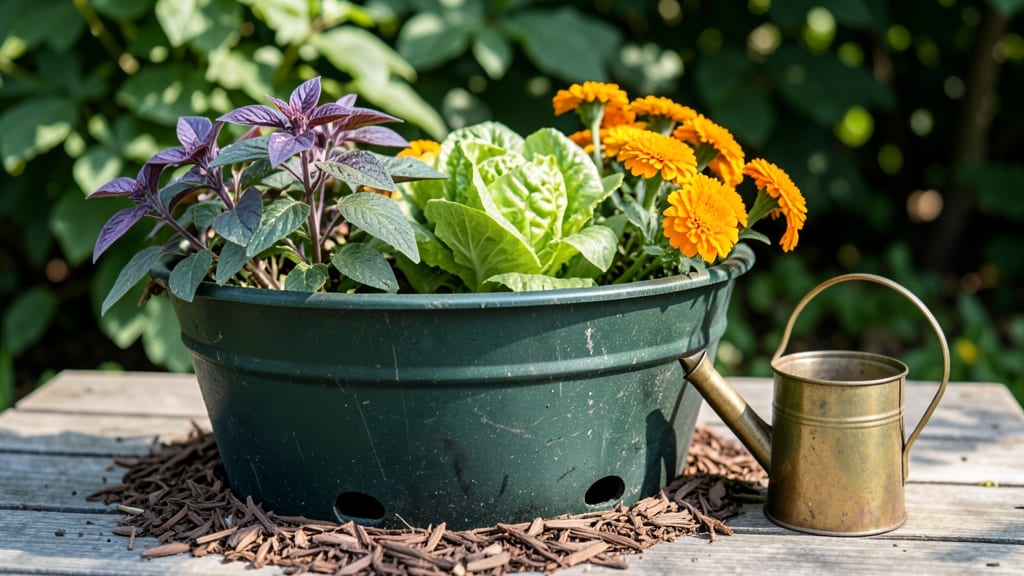
A garden tub is a container designed for growing plants in small outdoor spaces, typically made from durable materials like plastic, wood, or metal, and featuring drainage holes for healthy root development. These versatile planters maximize vertical and limited-space gardening while offering mobility and aesthetic appeal.
A garden tub serves as a portable, space-saving solution for urban gardeners or anyone with limited outdoor areas. 🌱 These planters come in various shapes and sizes, allowing you to cultivate everything from herbs to small shrubs without needing a full garden bed.
The drainage holes aren't just functional—they prevent root rot by ensuring excess water escapes, which is crucial for plant longevity. Plus, their mobility means you can move them to optimize sunlight exposure or protect plants from harsh weather.
What sets garden tubs apart is their adaptability. Whether you're growing vegetables in a tiny balcony setup or creating a decorative display with flowering plants, these containers let you customize your gardening space. 🌿 Many models also feature built-in saucers to catch runoff, making them low-maintenance options for busy gardeners.
The key is choosing a material that suits your climate—plastic resists cracking in freeze-thaw cycles, while wood adds natural beauty but requires more upkeep.
💡 In This Article
- Garden Tub Materials and Design Features
- Best Garden Tub Plants for Small Spaces
Garden tub materials and design features
Garden tubs are engineered to balance durability, drainage efficiency, and weight distribution. The material choice directly impacts how well your plants thrive and how easy the tub is to move.
Plastic tubs, for example, are lightweight (5-15 pounds for standard 10-gallon sizes) and resistant to cracking in freeze-thaw cycles, making them ideal for cold climates. Their smooth surfaces also prevent soil from sticking, which simplifies repotting. 🔥
Wooden tubs, often made from cedar or redwood, offer natural insulation that helps regulate soil temperature—critical for root health. However, they require annual sealing to prevent water absorption, which can lead to warping or mold.
Metal tubs (like galvanized steel) provide superior strength but need protective coatings to prevent rust, especially in rainy climates. The drainage system in all tubs typically consists of 4-6 holes (about 1/2-inch in diameter) placed near the bottom corners to distribute water evenly and prevent soil compaction.
Design features like built-in saucers (which catch runoff) and self-watering reservoirs (found in premium models) address common gardening challenges. A saucer prevents soil erosion and nutrient loss, while a self-watering system maintains moisture levels automatically—a game-changer for busy gardeners.
The depth of the tub also matters: shallow tubs (6-8 inches) suit herbs and leafy greens, while deeper ones (12-18 inches) accommodate root vegetables like carrots or radishes. 🌱
Weight considerations are often overlooked but critical. A 20-gallon tub filled with soil and plants can weigh 50-70 pounds—heavy enough to require two people to move. This is why many gardeners opt for tubs with reinforced handles or casters for mobility.
The shape of the tub (rectangular, square, or round) also affects how roots grow: square tubs provide uniform root distribution, while round ones encourage deeper root penetration, which benefits plants like tomatoes.
Advanced designs incorporate aeration tubes or fabric liners to improve drainage and prevent soil compaction. These features mimic natural soil conditions, where air and water circulate freely around roots.
For example, a tub with a geotextile liner allows water to drain while keeping soil in place—a perfect balance for plants sensitive to soggy conditions, like succulents or lavender. The liner also extends the tub's lifespan by protecting it from sharp root structures. 💫
Ultimately, the best garden tub combines material durability with thoughtful design. Plastic tubs excel in low-maintenance setups, wood adds aesthetic charm with slightly more upkeep, and metal offers strength for heavy-duty gardening.
Pairing the right material with a drainage system tailored to your plants' needs ensures your garden thrives year-round, even in tight spaces.