
Tools
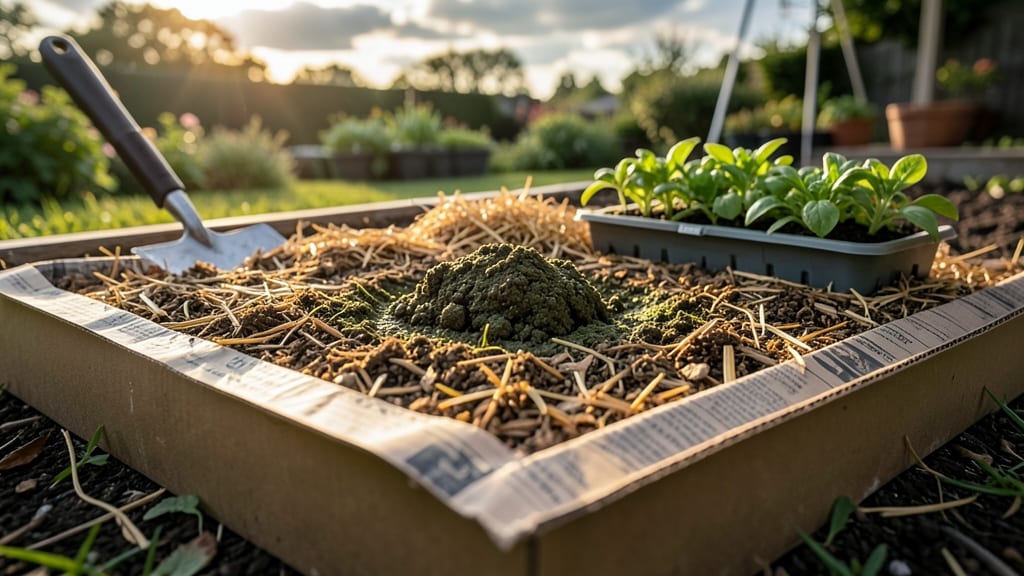
Lasagna gardening is a no-dig planting technique that creates rich soil layers by stacking organic materials like yard waste, compost, and cardboard between soil layers. This method boosts soil fertility, suppresses weeds naturally, and cuts down on backbreaking tilling while giving plants a nutrient-packed foundation.
This gardening approach works like a compost pile in your garden bed—except it happens right where your plants will grow. 🌱 The alternating layers of "browns" (carbon-rich materials like dried leaves or straw) and "greens" (nitrogen-rich items like grass clippings or coffee grounds) create the perfect environment for decomposition.
Over time, this process transforms into a fluffy, nutrient-dense growing medium that retains moisture better than regular soil. Many gardeners love it because it's low-maintenance and works well even in poor-quality soil or clay-heavy areas.
What makes it especially appealing is the lack of heavy equipment or physical labor. You simply layer materials in a designated bed, water occasionally, and let nature do the rest. This technique also reduces soil compaction and erosion, making it a sustainable choice for both beginners and experienced gardeners alike.
💡 In This Article
- How Lasagna Gardening Builds Fertile Soil
- Step-by-Step Guide to Starting a Lasagna Garden
How lasagna gardening builds fertile soil
Lasagna gardening works by replicating a compost pile's natural decomposition process directly in your garden bed. The key lies in balancing carbon-rich "browns" (like dried leaves or straw) with nitrogen-rich "greens" (such as grass clippings or coffee grounds).
This ratio—typically 2:1 or 3:1 browns to greens—creates ideal conditions for microbes to break down materials into humus, the dark, crumbly substance that improves soil structure. These layers also prevent compaction by creating air pockets, allowing roots to penetrate easily.
The decomposition process generates heat—sometimes reaching 140-160°F in the center of the pile—which accelerates nutrient release. As materials decompose, they release essential nutrients like nitrogen, phosphorus, and potassium, while also increasing soil organic matter by 5-10% per season.
This transformation creates a spongy, moisture-retentive medium that holds 20-30% more water than regular garden soil, reducing irrigation needs by up to 50%. The process also suppresses weeds by blocking sunlight to weed seeds in the top layers.
What makes this method unique is how it creates a self-sustaining ecosystem. Worms and beneficial microbes thrive in these layers, further breaking down materials and aerating the soil. Unlike traditional composting, lasagna gardening happens in situ, so all the nutrients stay where your plants need them.
The cardboard layers you often use act as a weed barrier while breaking down into cellulose, adding another layer of organic matter. This creates a closed-loop system where waste becomes food for your plants.
One fascinating aspect is how the layers insulate plant roots. The organic materials act like a thermal blanket, protecting roots from extreme temperature fluctuations. In cold climates, this can extend the growing season by 2-4 weeks in spring and fall.
The improved soil structure also reduces erosion by 70-80% compared to tilled soil, making it ideal for sloped areas or regions prone to heavy rainfall. This is why many gardeners in drought-prone areas swear by the method—it transforms marginal soil into a productive growing medium.
For best results, aim for layers that are 2-4 inches thick each. The top layer should always be a coarse mulch (like straw) to prevent crusting and retain moisture. Over time, the entire bed will settle, but it will remain loose and fertile.
The decomposition process typically takes 3-6 months to reach peak fertility, though you can plant through it as materials break down unevenly. The result is soil that resembles a rich, dark lasagna—hence the name—with perfect texture and nutrients for any plant.