
Size
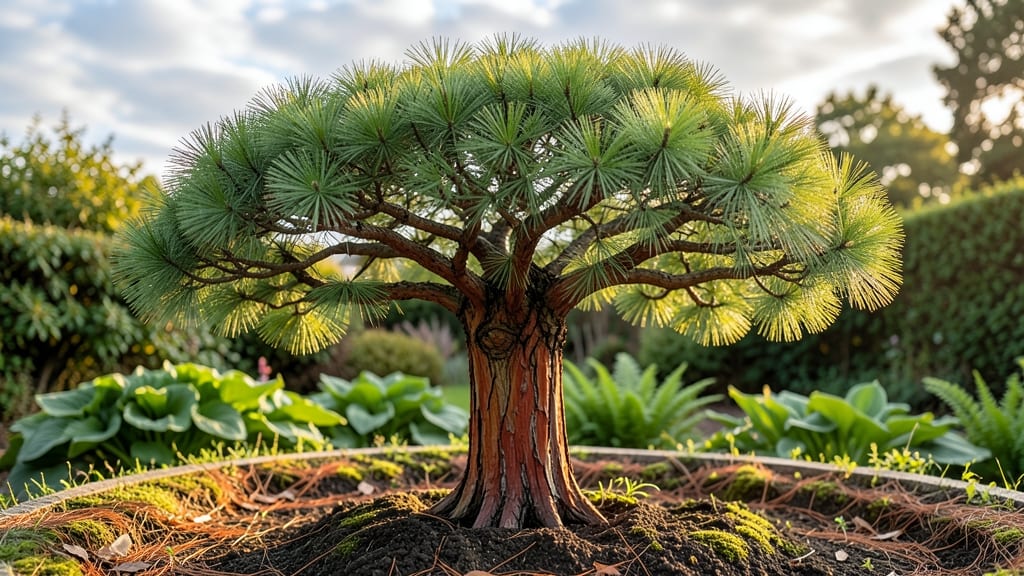
Growing the rarest plants in a garden means seeking out species like the Middlemist Red camellia (fewer than 100 known plants), the Voodoo Lily (Sauromatum guttatum), and the Franklin Tree (Franklinia alatamaha), all critically endangered or nearly extinct in the wild. These botanical marvels require specialized care and sourcing from conservation-focused nurseries.
If you're dreaming of cultivating ultra-rare botanicals, these plants represent the pinnacle of difficulty—each demands precise conditions that mimic their native habitats. 🌿 The Franklin Tree, for example, thrives only in Georgia's swampy ecosystems, while the Voodoo Lily needs tropical humidity to produce its dramatic, corpse-like blooms.
Even the hardy Middlemist Red camellia requires years of patience, as its hybrid genetics resist easy propagation. Conservation programs often hold the only legal sources, with some requiring permits or waiting lists due to their endangered status.
What makes these plants so elusive isn't just their scarcity—it's their stubborn refusal to adapt outside controlled environments. Most gardeners will never see them in bloom, but for collectors, the thrill of nurturing a near-extinct species is unmatched.
The key to success? Partnering with nurseries that specialize in endangered flora, where experts can guide you through the delicate balance of light, soil, and climate these plants demand.
💡 In This Article
- Why These Rare Plants Are Nearly Impossible to Cultivate
- Where to Source Rare Garden Plants Legally and Ethically
Why these rare plants are nearly impossible to cultivate
The Franklin Tree (Franklinia alatamaha) epitomizes cultivation challenges with its hyper-specific needs. Native to Georgia's swampy coastal plains, it requires acidic, well-draining soil with consistent moisture levels—conditions that mimic its native bog habitat.
Its slow growth (only 3-5 feet per decade) and late blooming (typically at 10-15 years old) make propagation nearly impossible for most gardeners. Even when grown, it rarely produces viable seeds, forcing conservationists to rely on cuttings from the 20 known wild specimens.
The Voodoo Lily (Sauromatum guttatum) presents another obstacle: its dramatic, corpse-like blooms require tropical humidity levels (60-80%) and warmth (70-80°F) year-round. Unlike most plants, it thrives in shaded, damp forest floors rather than sunny garden beds.
Its underground corms must remain undisturbed for months, as even slight soil movement can trigger premature dormancy. The plant's natural range spans Southeast Asia, where fungal symbiosis in the soil further complicates cultivation outside controlled environments.
Genetic fragility is the Middlemist Red camellia's Achilles' heel. This hybrid's parentage—Camellia japonica and Camellia saluenensis—created a plant with sterile pollen, meaning it cannot reproduce naturally. Nurseries must propagate it through grafting, a labor-intensive process requiring sterile conditions and patient expertise.
Even then, survival rates hover around 30%, and the plant's dark red, waxy blooms only appear after 5-7 years of growth. Its rarity stems from both biological constraints and the 19th-century loss of its original parent plants.
Conservation threats amplify these challenges. The Franklin Tree faces habitat destruction from coastal development, while the Voodoo Lily is threatened by deforestation in Malaysia and Indonesia. Both species are protected under CITES Appendix II, requiring permits for international transport.
Even legal acquisition doesn't guarantee success—most rare plants die within 1-2 years if their microclimate needs aren't met precisely. This is why specialized nurseries maintain climate-controlled greenhouses with custom soil mixes and automated humidity controls.
What most gardeners overlook is the symbiotic relationship these plants rely on. The Franklin Tree, for instance, depends on mycorrhizal fungi in its native soil to absorb nutrients efficiently. Without these fungi—often absent in garden soil—roots struggle to establish, leading to stunted growth.
Similarly, the Voodoo Lily's corms require specific fungal partners to break down organic matter, a process that's nearly impossible to replicate artificially. These interconnected dependencies explain why even expert botanists fail to cultivate them outside their native ecosystems.
For collectors, the frustration is part of the allure. The Middlemist Red, for example, produces blooms that last 2-3 weeks in winter—unlike typical camellias—which makes each successful cultivation a botanical triumph. Yet the reality is harsh: 90% of rare plant acquisitions fail without professional intervention.
This is why conservation programs often rent out their greenhouses to serious growers, offering guaranteed survival rates in exchange for participation in breeding programs.