
Companion Plants
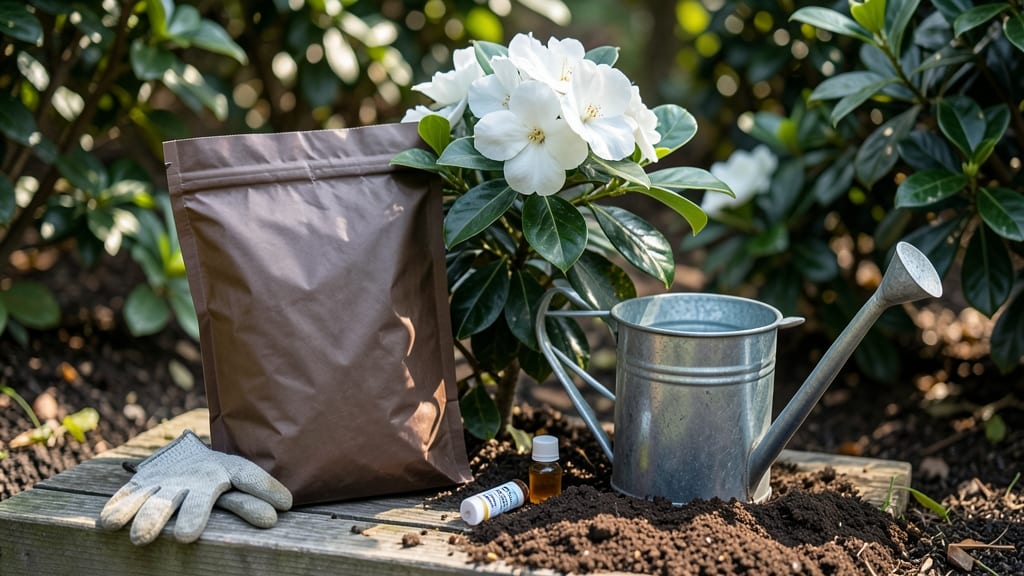
To feed gardenias properly, you'll need acidic soil with a pH of 5.0–6.5, balanced fertilizer (prioritizing nitrogen in spring, phosphorus/magnesium later), and organic amendments like compost or worm castings. Avoid alkaline fertilizers or overfeeding, as these can damage roots and reduce flowering.
Gardenias thrive when their soil mimics their natural tropical habitat, where acidic conditions help them absorb essential nutrients like iron and magnesium. 🌿 The right pH isn't just about numbers—it's about creating an environment where roots can efficiently access what they need.
I've found that adding pine needles or peat moss to the soil helps maintain that acidity naturally, while also improving drainage. For fertilizers, I recommend using slow-release options specifically formulated for acid-loving plants, applied in early spring when new growth begins.
One common mistake gardeners make is overfeeding, which can lead to leaf burn or even root damage. Instead of a heavy hand with fertilizers, focus on consistency—think of it like feeding a picky eater small portions rather than one big meal.
Organic options like coffee grounds (used sparingly) or fish emulsion can provide that extra boost without the risk of chemical imbalance. The key is balance: too little means weak growth, but too much can be just as harmful.
💡 In This Article
- Gardenia Soil pH and Nutrient Requirements
- Best Fertilizers and Feeding Schedule for Gardenias
Gardenia soil pH and nutrient requirements
Gardenias evolved in acidic tropical soils where pH levels naturally range between 5.0 and 6.5. This acidity isn't random—it's crucial because gardenias struggle to absorb essential nutrients like iron and magnesium when soil becomes too alkaline.
At pH levels above 7.0, these nutrients bind tightly to soil particles, becoming unavailable to roots. Think of it like trying to drink through a straw that's clogged with sediment—no matter how much you try, the nutrients just won't reach the plant's system. 🌱
The science behind this involves soil chemistry: acidic conditions keep iron in its soluble ferrous form (Fe²⁺), which roots can easily uptake. In alkaline soils, iron oxidizes into insoluble ferric form (Fe³⁺), locking it away.
This is why gardenias often show yellow leaves between veins—a classic sign of iron chlorosis—even when the soil appears fertile. Organic acids from materials like pine needles or peat moss help maintain that ideal pH by slowly releasing hydrogen ions into the soil, creating a buffer against alkalinity.
Calcium and phosphorus availability also shift with pH. Gardenias need these nutrients for strong root development and flower production, but alkaline soils make phosphorus less soluble, reducing its effectiveness. The solution?
Test your soil's pH annually using a simple kit, and amend with sulfur or aluminum sulfate if levels creep above 6.0. For container gardenias, I've found that repotting every 2-3 years with fresh acidic potting mix prevents nutrient depletion and maintains optimal growing conditions.
One misconception is that any acidic fertilizer will work—what matters is the soil's overall environment. For example, while coffee grounds are slightly acidic (pH 6.2-6.8 when decomposed), using them fresh can actually raise soil pH due to their high potassium content.
Instead, use them as a finished compost or pair them with peat moss to create a balanced amendment. The goal is to mimic the natural forest floor where gardenias thrive, where organic matter breaks down slowly to feed the soil ecosystem over time.
Visual clues can help you gauge soil health: dark, crumbly soil with a slightly earthy aroma (not sour or chemical-smelling) is ideal. If your gardenia's leaves develop brown edges or flower buds drop prematurely, these are red flags that the soil's pH or nutrient balance is off.
In my experience, the most successful gardenia growers treat their soil like a living organism—regularly feeding it organic matter while monitoring its pH to keep it in that sweet spot where nutrients flow freely to the roots.
For those in regions with naturally alkaline soils, consider growing gardenias in containers filled with a 50/50 mix of peat moss and pine bark fines. This combination maintains acidity while providing excellent drainage—a critical factor since soggy roots quickly lead to root rot.
The key takeaway is that gardenias aren't just picky eaters; they require specific soil chemistry to unlock their full potential. 🌸