
Tools
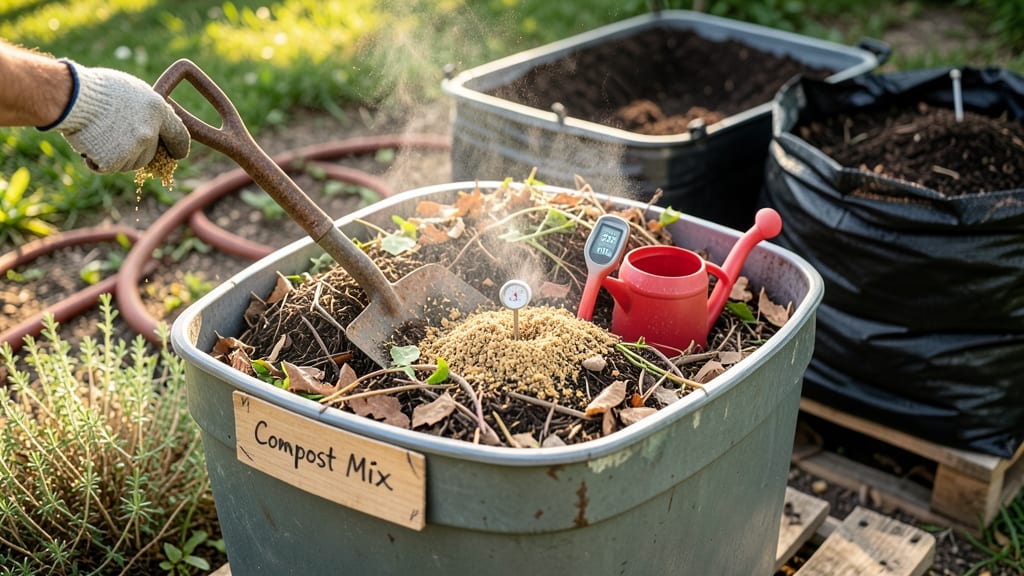
Sawdust is good for gardens when properly prepared, as it enhances soil aeration and helps retain moisture, but it also lowers soil pH over time and may reduce available nitrogen as it decomposes. Always compost it first to prevent harming plants or disrupting soil chemistry.
Sawdust works best when transformed into compost first—this process neutralizes its acidic properties and balances nutrient loss. 🌱 Unlike fresh sawdust, which can smother roots and create anaerobic zones, properly composted wood chips become an excellent organic amendment.
I've found that mixing it with nitrogen-rich materials like manure or coffee grounds creates a nutrient-rich blend perfect for mulching paths or enriching garden beds. However, avoid using it near acid-sensitive plants like blueberries or hydrangeas, as even composted sawdust can gradually acidify the soil over time.
For best results, apply a 2-3 inch layer of composted sawdust around plants in spring, keeping it 2-3 inches away from stems to prevent moisture buildup. This approach mimics natural forest floor conditions while giving your garden the benefits without the risks.
Always test your soil pH before adding large quantities—this simple step can save you from unintended plant stress.
💡 In This Article
- How Sawdust Affects Soil pH and Nutrient Balance
- Best Ways to Use Sawdust in Garden Beds
How sawdust affects soil pH and nutrient balance
When sawdust breaks down in soil, it undergoes a chemical process called lignin decomposition, releasing organic acids that gradually lower pH levels.
Hardwood sawdust (like oak or maple) typically drops soil pH by 0.5-1.0 units over 6-12 months as it converts to humus, while softwood (pine or cedar) can be even more acidic due to higher resin content.
This acidification happens because decomposing wood releases hydrogen ions that displace nutrients like calcium and magnesium from soil particles.
The nitrogen depletion occurs because microbes breaking down sawdust consume available nitrogen 10-15 times faster than they release it back into the soil.
This creates what gardeners call a "nitrogen sink" - your plants suddenly lack this essential nutrient while the sawdust itself becomes a carbon-rich but nutrient-poor material. 🌿 For example, a 1-inch layer of sawdust covering 10 square feet can tie up enough nitrogen to starve nearby vegetables for 3-4 weeks unless balanced properly.
To mitigate these effects, composting sawdust first creates a more stable amendment. During composting, the wood fibers break down into humus while beneficial microbes pre-digest the lignin, reducing the nitrogen demand by upstrong>70%.
The resulting composted wood chips have a near-neutral pH (6.0-7.0) and provide slow-release carbon that improves soil structure without the acidic shock. I've seen gardeners achieve excellent results by mixing sawdust with equal parts aged manure and 10% coffee grounds to create a nitrogen-rich compost blend.
For existing gardens where you can't compost first, lime amendments can counteract the acidification. A 1-pound application of agricultural lime per 100 square feet can neutralize the pH drop from 1-2 inches of sawdust over a year.
However, this approach requires soil testing - sawdust's effects vary based on wood type and existing soil composition. For instance, sandy soils show pH changes more quickly than clay soils due to their lower buffering capacity.
Consider these wood types and their pH impacts:
- Hardwoods (oak, maple): Moderate acidification (0.3-0.6 pH drop) but excellent for moisture retention
- Softwoods (pine, cedar): High acidification (0.7-1.2 pH drop) due to resin content
- Fruit tree prunings: Near-neutral (0.1-0.3 pH drop) and nutrient-rich from fallen fruit
The key is understanding your soil's starting pH. Acid-loving plants like azaleas thrive with sawdust's natural acidity, while vegetables need careful monitoring. Always test soil before applying sawdust to acid-sensitive crops like tomatoes or peppers, which prefer pH 6.0-6.8.
A simple soil test kit costs $15 and prevents costly mistakes.