
Planting
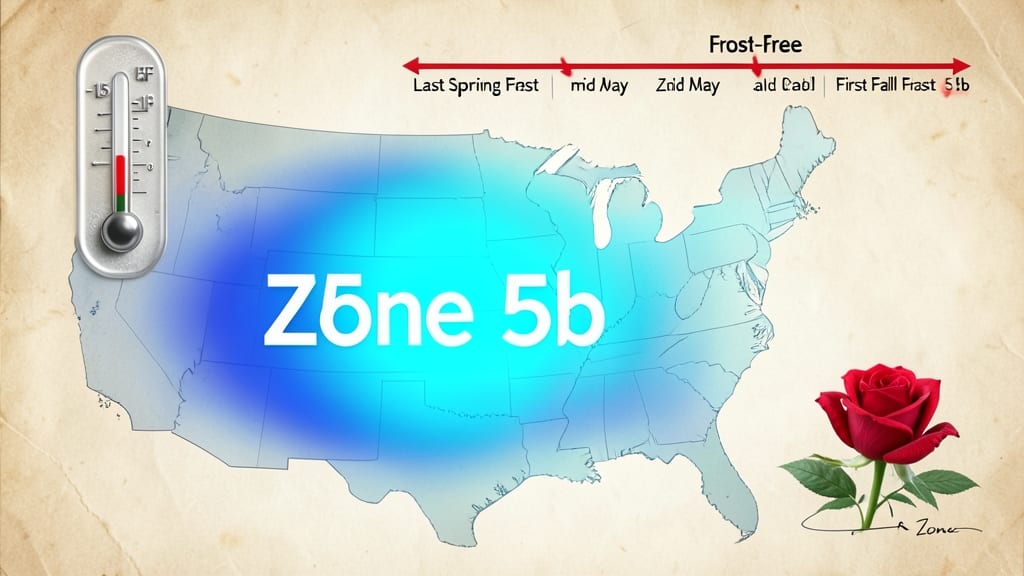
To determine what zone you're in for gardening, use the USDA Plant Hardiness Zone Map, which organizes regions by average annual minimum temperatures. Simply input your ZIP code into the official USDA zone finder to discover your specific 5-9 zone number, essential for selecting the right plants and planning your garden layout.
Your exact gardening zone reveals which plants will thrive in your climate. 🌱 The USDA map divides the country into 13 zones based on the coldest winter temperatures your area typically experiences, with zone 1 being the coldest and zone 13 the warmest.
For example, a zone 5 gardener can grow hardy perennials like coneflowers, while a zone 9 gardener might focus on citrus trees. Microclimates—like sunny south-facing walls or shaded valleys—can also shift your effective growing conditions by up to one zone.
This system helps you match plants to your local conditions, ensuring they'll survive winter freezes and flourish during growing seasons. Many seed packets and nursery plants list their recommended zones, so checking yours first saves time and money by avoiding incompatible choices.
For instance, if you're in zone 7, you'll want to avoid tropical plants that need year-round warmth.
💡 In This Article
- How USDA Plant Hardiness Zones Work
- Using Your Zone for Smart Plant Selection
How USDA plant hardiness zones work
The USDA Plant Hardiness Zone Map breaks down North America into 13 main zones (plus 2 additional sub-zones, like 5a and 5b) based on the average annual minimum temperature. This means the coldest winter temperature your area typically hits determines which plants can survive there.
For example, zone 1 experiences temps as low as -60°F, while zone 13 rarely drops below 60°F. The map uses a 10°F increment between zones, so zone 6 ranges from -10°F to 0°F.
Why winter lows matter so much? Plants go dormant in cold weather, and their ability to withstand freezing depends on their genetic hardiness.
A zone 5 plant can survive -20°F winters, but if you plant it in zone 8 (where winters rarely drop below 10°F), it might grow too vigorously and become weak or die from unexpected cold snaps. 🌡️ The USDA calculates these zones using 30 years of temperature data, ensuring accuracy for long-term gardening planning.
Microclimates add another layer of complexity. A single backyard can have variations of 2-5°F or more due to factors like elevation, soil type, or nearby water bodies. South-facing walls absorb heat, creating a zone 8 microclimate in an otherwise zone 7 area.
Conversely, low-lying areas can be colder. This is why gardeners often test plants in containers first—if a zone 9 plant thrives in a protected spot, you might be able to overwinter it despite being in zone 6.
Zones aren't the same as frost-free days, which measure growing season length. While frost-free days tell you when to plant, zones tell you which plants will survive your winters.
For instance, zone 4 might have 120 frost-free days, but you can't grow tropical plants there because they can't handle -30°F winters.
The USDA map also doesn't account for heat zones or humidity, which is why some regions (like the Deep South) have additional climate considerations beyond just winter hardiness.
Another key detail: the USDA map updates every few years to reflect climate change. Warmer winters mean some areas are shifting into higher zones. For example, zone 5b in the 1990s might now be zone 6a due to rising temperatures.
This shift affects plant selection—what worked 20 years ago might no longer thrive in the same spot. Always check the latest version of the map for the most accurate data.
For precise results, use the official USDA zone finder with your ZIP code. The tool provides your exact zone (e.g., 7b) and even shows nearby variations. This level of detail helps you avoid costly mistakes, like planting a zone 10 citrus tree in zone 6.
Instead, you might opt for cold-hardy alternatives like meyer lemon (which tolerates zone 8-10) or hardy kiwi (which survives zone 4-8).