
Planting
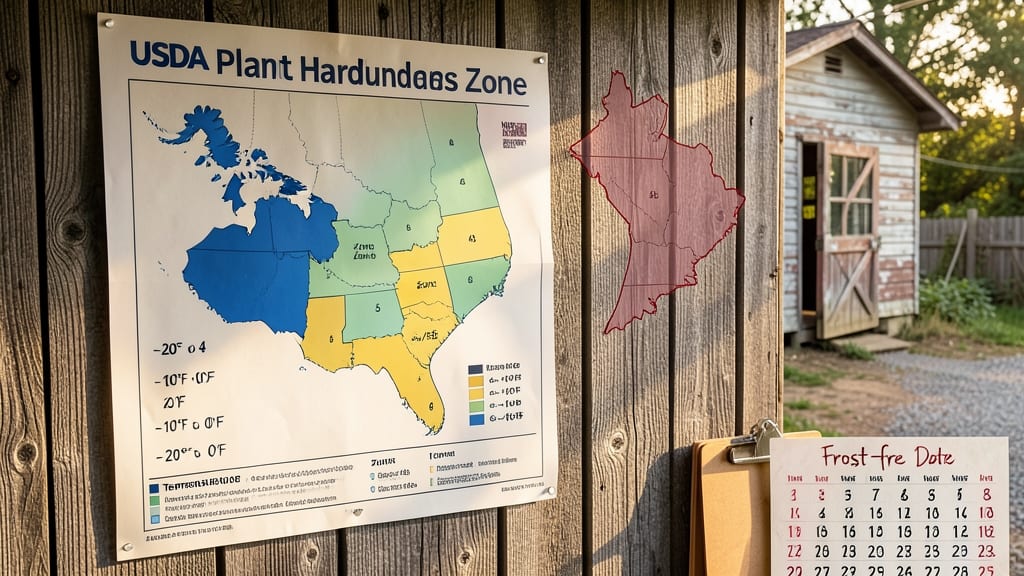
Michigan gardening covers USDA Plant Hardiness Zones 4 through 7, with the Lower Peninsula primarily in Zones 5-6 and the Upper Peninsula ranging from 3-5. These variations mean northern areas face harsher winters, while southern regions allow for more plant diversity.
Michigan's gardening zones reflect its diverse geography—from the Great Lakes' moderating influence to the Upper Peninsula's colder climate. 🌿 The Lower Peninsula's Zones 5-6 support classic garden staples like tomatoes and roses, while Zone 4 in the north demands hardier perennials.
Coastal areas near Lake Michigan often enjoy slightly milder microclimates compared to inland regions. Understanding these zones helps you select plants that thrive with minimal winter protection.
For example, Zone 5-6 gardeners can grow tender annuals, while Zone 4 growers should focus on cold-resistant varieties like kale or Russian sage. The state's elevation changes also create microclimates—higher areas in the northern Lower Peninsula may drop into Zone 4, even near Zone 5 neighbors.
This variability means checking your specific location on the USDA map is essential for success.
💡 In This Article
- Michigan’s USDA Zones Explained: Climate Variations by Region
- Choosing Plants for Michigan’s Gardening Zones: Best Options by Hardiness
Michigan’s USDA zones explained: climate variations by region
Michigan’s gardening zones reflect its dramatic climate shifts, shaped by geography like the Great Lakes, elevation changes, and latitude. The Upper Peninsula dominates Zones 3-5 due to its northern location and proximity to Canada, where winter lows can plunge to -20°F to -30°F.
In contrast, southern Michigan—especially near Lake Erie—warms into Zones 6-7, with milder winters averaging 0°F to 10°F in the coldest months. 🌡️ This creates a stark contrast: a Zone 5 garden in Traverse City might freeze at -15°F, while a Zone 6 plot in Detroit rarely drops below 5°F.
The Great Lakes play a critical role in moderating temperatures. Areas near Lake Michigan, like Grand Rapids, often experience 1-2°F warmer winters than inland cities at the same latitude due to the lake’s heat-retaining water.
This "lake effect" extends about 10-15 miles inland, creating microclimates where Zone 5 plants thrive near the shore but Zone 4 crops struggle just a few miles away.
Elevation also matters: Northern Lower Peninsula counties with higher terrain (like 300-600 feet above sea level) may shift into Zone 4, even adjacent to Zone 5 neighbors.
For gardeners, these variations mean last frost dates differ by weeks. Southern Michigan’s Zone 6 areas typically see their final spring frost around April 15-30, while Zone 4 zones in the UP may not warm up until May 15-30.
This timing affects planting schedules: Tomatoes (Zone 5-6) can go in early May in Detroit but wait until June in Marquette (Zone 4). The USDA map’s 10°F increment zones mask these nuances—real-world success depends on local weather patterns and microclimates.
Here’s how to navigate the zones practically:
- Zone 4 (UP, northern Lower Peninsula): Focus on perennials like coneflowers and Russian sage, which survive -30°F winters. Vegetables need cold frames or row covers.
- Zone 5-6 (Lower Peninsula core): Ideal for classic gardens—roses, peonies, and daylilies thrive here. Annuals like marigolds can handle 28°F brief dips.
- Zone 6-7 (southeastern MI): Expand your palette with camellias, gardenias, and tender perennials like salvia that struggle in colder zones.
Pro tip: Use the USDA’s interactive map to pinpoint your exact zone—even neighboring towns can differ by a full zone due to topography. For example, Houghton (Zone 4a) sits just 50 miles from Marquette (Zone 5a), but the UP’s rugged terrain creates these shifts.
Understanding these patterns helps you push zone limits with season extension tools like cold frames or mulch.
Why does this matter? Plants like blueberries (Zone 3-6) or figs (Zone 7-10) can fail if planted in the wrong zone—even by a single degree. The key is matching your microclimate to the plant’s minimum winter temperature tolerance, not just the broad zone label. 🌱