
Tools
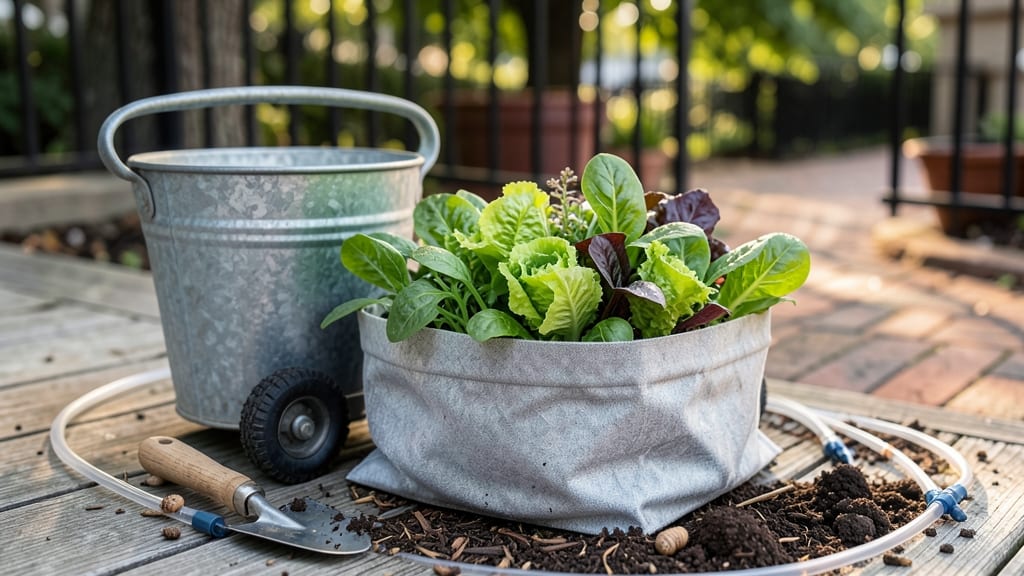
A wheeled bucket garden transforms tight spaces into productive growing areas by using mobile containers for space-efficient crops like leafy greens, herbs, and compact vegetables. These portable systems let you move plants to follow sunlight, perfect for urban balconies, small patios, or crowded yards.
A wheeled bucket garden isn't just about saving space—it's about reclaiming it with flexibility. 🌱 The key is selecting shallow-rooted plants that thrive in containers, like bush beans or strawberries, which produce well in 6-12 inch depths.
I've seen urban gardeners double their harvest by rotating buckets daily to chase sunlight, especially in early morning or late afternoon when temperatures are cooler. The mobility also means you can protect plants from sudden weather changes or pests by moving them indoors overnight.
For setup, prioritize lightweight materials—fabric grow bags are my top pick for their breathability and weight savings, while plastic buckets offer more durability.
Add 3-4 inches of gravel at the bottom for drainage, then fill with a mix of 60% potting soil and 40% compost to ensure nutrients stay accessible. The wheels should be sturdy but smooth-rolling, so you can reposition without straining your back.
Pro tip: Use a drip irrigation system attached to the wheel frame to automate watering while you're away.
💡 In This Article
- How to Choose the Best Crops for a Wheeled Bucket Garden
- Step-by-Step Guide to Setting Up a Mobile Bucket Garden System
How to choose the best crops for a wheeled bucket garden
The ideal crops for a wheeled bucket garden share three key traits: shallow root systems, compact growth habits, and high productivity per square foot. Lettuce, for example, thrives in just 6-8 inches of soil depth and reaches maturity in 30-45 days, making it perfect for small containers.
Its loose-leaf varieties like 'Black Seeded Simpson' grow to about 12 inches tall and produce 10-15 leaves per plant—enough for 3-4 harvests in a single bucket. 🌿 The secret here is their rapid growth cycle, which allows for successive planting every 2-3 weeks without crowding.
Herbs like basil, cilantro, and thyme are bucket garden superstars because they grow in tight clusters and rarely exceed 12-18 inches in height. A single 5-gallon bucket can comfortably hold 3-4 basil plants, yielding enough leaves for 10-15 pesto recipes over a growing season.
The key difference between herbs and vegetables is their root spread—most herbs develop fibrous roots that spread horizontally rather than vertically, making them ideal for shallow containers.
Cherry tomatoes and dwarf peppers also excel because their bush varieties stay under 24 inches tall and produce fruit in 60-75 days, with a single plant yielding 20-30 tomatoes or 50-100 peppers depending on the variety.
What most gardeners overlook is how sunlight affects crop selection. Leafy greens like spinach and kale need 4-6 hours of direct sunlight daily, while tomatoes and peppers require 6-8 hours.
This is why mobility matters—you can rotate your buckets to follow the sun's arc, especially important in early morning or late afternoon when temperatures are cooler.
Radishes, another excellent bucket crop, mature in just 25 days and only need 4-6 inches of soil, making them perfect for interplanting between slower-growing crops. Their shallow roots also mean they won't compete with deeper-rooted plants for nutrients.
Consider this comparison: A single 5-gallon bucket of lettuce yields about 1 pound of harvestable leaves, while the same bucket with cherry tomatoes produces 1.5-2 pounds of fruit over the season. The trade-off? Lettuce gives you faster results, while tomatoes take longer but provide a more substantial harvest.
For space efficiency, herbs win with 3-4 plants per bucket, while vegetables typically max out at 1-2 plants to avoid overcrowding. The science behind this is simple: Plants in containers have limited root space, so competition for nutrients and water accelerates quickly if you overplant.
For maximum productivity, aim for a mix of fast growers (radishes, lettuce) and longer-season crops (tomatoes, peppers). This strategy keeps your buckets in continuous use and your kitchen stocked year-round.
The mobility of your system lets you experiment with microclimates—place tomatoes near a sunny wall during cooler months, then move them to a shaded spot in peak summer heat.
This flexibility is what makes wheeled bucket gardens so adaptable to urban environments where space and sunlight are often at a premium. 🌱
One advanced technique I've found effective is "bucket stacking"—using vertical space by placing smaller buckets on top of larger ones. This multiplies your growing area without taking up extra floor space.
For example, you could have a 5-gallon bucket on the ground with tomatoes and a 2-gallon bucket on top with herbs, creating a two-tiered growing system that maximizes every inch of your balcony or patio.