
Tools
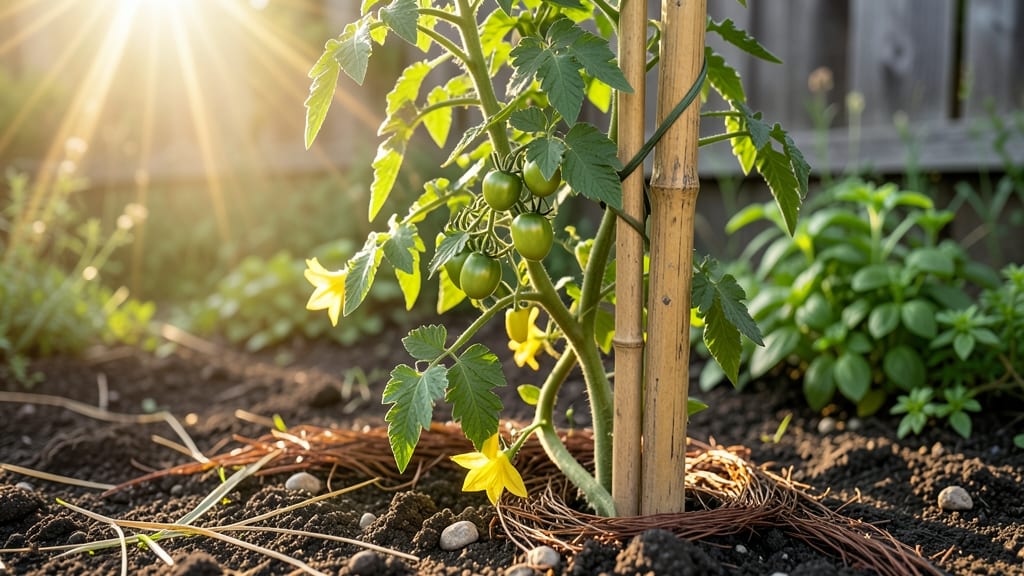
To place tomatoes in your garden, choose a location with full sun exposure (6-8 hours daily), nutrient-rich soil that drains well, and spacing of 18-24 inches for bush varieties or 24-36 inches for vining types. Install support structures like stakes or cages immediately to guide growth and prevent sprawling.
Tomatoes thrive when placed in the sunniest spot of your yard, as they demand consistent light to develop flavor and set fruit. 🌞 The soil should be loose and well-amended with compost to prevent waterlogging, which can lead to root rot.
I've found that adding a handful of aged manure or worm castings at planting time gives plants a strong start. For container growers, ensure pots have drainage holes and use a lightweight potting mix to mimic ideal garden conditions.
Spacing isn't just about giving plants room to grow—it's about airflow.
Proper spacing reduces humidity around leaves, which cuts down on fungal diseases like blight. 🌱 When planting near other vegetables, pair tomatoes with basil to repel pests or onions to deter aphids, but avoid planting them next to potatoes or fennel, which can stunt their growth.
Remember that indeterminate varieties will keep growing taller, so plan your garden layout with future height in mind.
💡 In This Article
- Optimal Sunlight, Soil, and Climate Conditions for Tomato Growth
- Spacing and Companion Planting Strategies for Healthy Tomato Plants
Optimal sunlight, soil, and climate conditions for tomato growth
Tomatoes are sun worshippers, requiring 6-8 hours of direct sunlight daily to produce flavorful fruit.
The intensity matters too—partial shade can lead to leggy plants and poor fruit development. 🌞 In regions with intense afternoon sun (like the Southwest U.S.), provide afternoon shade during peak heat (11 AM-3 PM) to prevent sunscald on fruits.
The ideal temperature range for growth is 50-85°F, with nighttime temperatures above 55°F crucial for fruit set. Cold snaps below 50°F can stunt growth, while prolonged heat above 90°F stresses plants, often causing blossom drop.
The soil's pH plays a hidden but vital role—tomatoes thrive in slightly acidic to neutral soil with a pH of 6.0-6.8.
You can test this with a simple soil kit (available at garden centers) or send a sample to your local cooperative extension service. 🌱 Well-draining soil is non-negotiable; waterlogged roots lead to rot. Amend heavy clay soil with 2-3 inches of compost or coarse sand to improve aeration.
Sandy soil benefits from organic matter like peat moss or coconut coir to retain moisture. The root zone should stay consistently moist but never soggy—think of it as maintaining a damp sponge, not a swamp.
Climate zones dictate planting timing and variety selection.
In zones 10-11, tomatoes can grow year-round with proper irrigation, while zones 3-5 gardeners should opt for early-maturing varieties and use row covers to extend the season. 🌍 The key is matching your region's last frost date with your tomato's days-to-maturity label.
For example, a 70-day variety needs to be planted 70 days before your first expected frost. In cooler climates, consider starting seeds indoors 6-8 weeks before the last frost for a head start.
Humidity levels also impact growth—high humidity (above 75%) creates ideal conditions for fungal diseases like early blight. 💦 In humid regions, space plants wider than recommended (36+ inches) for better airflow. Mulching with straw or black plastic helps regulate soil temperature and retain moisture while suppressing weeds.
The mulch layer should be 2-3 inches thick, applied once soil temperatures reach 60°F consistently. This simple technique can boost yields by 20-30% by keeping roots cool and conserving water.
One often-overlooked factor is wind exposure. Strong winds can break stems, especially on tall indeterminate varieties. 🌬️ Planting near a windbreak (like a fence or hedge) or using tomato cages for support can prevent damage. In exposed areas, consider dwarf or bush varieties that naturally handle wind better.
The trade-off is slightly reduced yield compared to vining types, but the plants will be more resilient. For container growers, place pots where they'll get morning sun and afternoon shade in hot climates to prevent overheating.
Regional microclimates can create surprising differences even within short distances. For example, a south-facing wall can create a 5-10°F warmer zone perfect for tomatoes, while a north-facing slope may stay too cool. 🌡️ Use these microclimates strategically—plant heat-loving varieties near warm walls and cooler-tolerant types in shadier spots.
The key is observing your garden's specific conditions for a season or two before making final planting decisions.