
Blooming
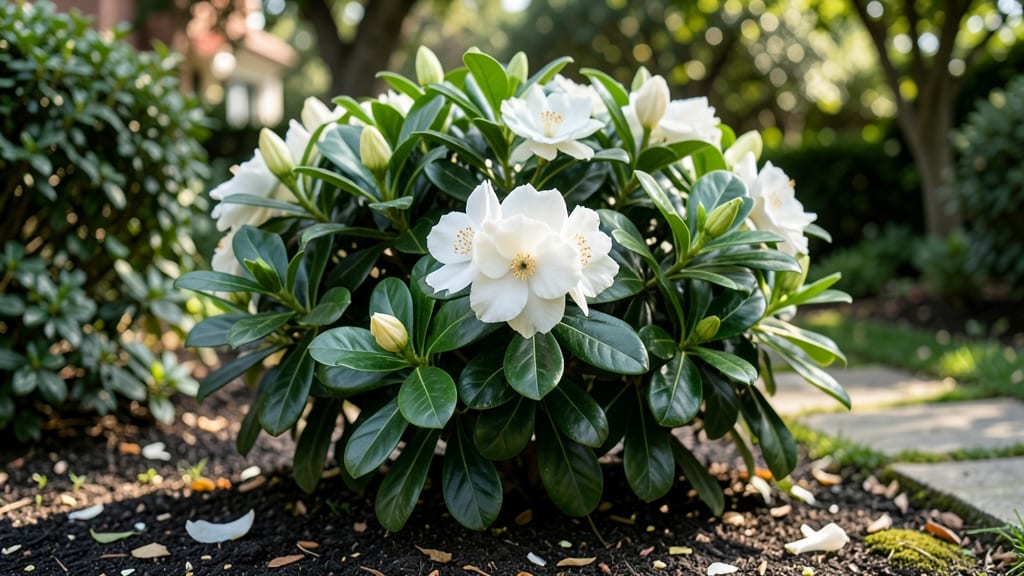
Gardenias flower in late spring through summer, with timing that shifts dramatically depending on your USDA zone and climate.
If you’ve ever wondered why your gardenia’s fragrance seems to vanish overnight—or why some gardeners swear by their blooms in summer while others adore spring—timing is everything.
These tropical beauties 🌸 thrive in warmth, so in Zone 9 and above, they often burst into bloom as early as May, while gardeners in Zone 7 might not see flowers until July or August. The difference? Heat, humidity, and daylight hours all play a role.
But here’s the kicker: even within the same zone, your gardenia’s blooming schedule can shift based on care. Too much shade? Fewer flowers. Overwatering? Buds drop before opening.
The right balance of sunlight, soil pH (they love acidic dirt), and pruning can push your plant to flower earlier or later—or even extend the season.
Below, I’ll break down the month-by-month blooming calendar by zone, plus the simple tweaks to coax more flowers. Whether you’re in frost-prone Zone 6 or balmy Zone 11, you’ll know exactly when to expect those intoxicating white blossoms—and how to make them last longer.
Gardenias blooming calendar: month-by-month by USDA Zone
Gardenias are famous for their intense fragrance and glossy dark green leaves, but their blooming schedule depends heavily on your USDA zone. In warmer climates like Zone 11, you might enjoy blooms year-round, while Zone 7 gardeners often see a spring-to-summer show.
Understanding these patterns helps you plan care and extend blooming seasons.
Gardenias typically flower in late spring to early summer, but regional variations create exceptions. For example, Florida gardenias (Zone 10-11) may bloom sporadically even in winter, while California gardenias (Zone 9-10) often peak in June and July. Let’s break down what to expect month-by-month for each zone.
In Zone 7, gardenias usually bloom from May to June, with early bloomers appearing in late April if winter protection was adequate. These plants often enter dormancy in fall, so pruning should wait until late winter to avoid damaging new buds.
Gardeners in Zone 8 often enjoy two blooming seasons: spring and late summer. Heat waves can stress plants, so providing afternoon shade during peak summer months helps maintain blooms.
In Zone 9, blooming stretches from March to September, with some varieties producing flowers almost year-round if conditions are ideal.
For Zone 10 and 11, gardenias thrive with year-round blooming potential. In Florida or Southern California, you might see flowers in every month, though intensity can vary with seasonal humidity. These zones require consistent moisture and acidic soil (pH 5.0-6.5) to support continuous blooming.
Regional variations also play a role. For example, California gardenias often bloom later than those in Florida due to cooler coastal climates. Meanwhile, humid Southern climates like Louisiana or Georgia may see extended blooming in fall and winter if temperatures stay mild.
To encourage blooming, focus on three key factors: sunlight, soil acidity, and watering consistency. Gardenias need 4-6 hours of morning sun but will scorch in hot afternoon rays. Maintaining acidic soil (pH 5.0-6.5) is critical, as alkaline soil can stunt blooms entirely.
If your gardenia isn’t blooming on schedule, check for over-fertilizing with nitrogen, which promotes leafy growth over flowers. Instead, use a balanced fertilizer (10-10-10) in early spring and summer to support flowering. Prune after blooming to shape the plant and encourage next year’s buds.
With the right care, your gardenia can become a fragrant centerpiece for months. Whether you’re in Zone 7’s cooler climate or Zone 11’s tropical haven, timing your care to match its natural blooming cycle will reward you with abundant, intoxicating flowers all season long. 🌸
Why your gardenia’s blooming schedule might be off (and how to fix it)
Gardenias are famous for their intoxicating blooms, but if your plant isn’t following the expected flowering schedule, it’s usually due to overlooked environmental factors. The most common culprits include inconsistent sunlight, soil pH imbalances, and water stress.
Even a slight shift in these conditions can delay blooms by weeks—or worse, prevent them entirely.
For example, gardenias in Zone 8 often bloom from May to July, while those in Zone 10 may flower year-round. If your plant isn’t blooming during its typical window, it’s time to troubleshoot. Let’s break down the most likely reasons and how to fix them.
If your gardenia isn’t blooming when it should, check these 3 critical factors first:
- Sunlight: Too little light = no blooms; too much direct sun = stressed plant.
- Soil pH: Gardenias thrive in acidic soil (5.0–6.5)—test yours today!
- Watering: Overwatering causes root rot; underwatering stresses the plant.
Fix these issues now to encourage blooms within 4–6 weeks.
First, let’s tackle sunlight exposure, which is often the biggest offender. Gardenias need 4–6 hours of morning sun but will scorch in harsh afternoon rays. If your plant is in Zone 9 or 10, provide afternoon shade to prevent leaf burn.
In Zone 7 or cooler, ensure it gets enough light to trigger blooming hormones.
Next, check your soil pH. Gardenias are acid-lovers and won’t bloom well in alkaline soil. Test your soil—if the pH is above 6.5, amend it with peat moss or sulfur.
In Zone 8–10, where humidity is high, mulch with pine bark to maintain acidity. Even a slight pH shift can delay blooms by months.
Water stress is another silent blooming killer. Gardenias need consistent moisture but hate soggy roots. In Zone 10’s humidity, water deeply every 3–4 days; in Zone 8’s heat, water daily during dry spells.
Overwatering in cooler zones can cause root rot, while underwatering stresses the plant and halts blooms.
Don’t overlook pruning mistakes—pruning at the wrong time can disrupt blooming cycles. Always prune right after flowering to encourage new growth. Avoid heavy pruning in late summer, as this can delay next year’s blooms. In Zone 7–8, prune in late spring to avoid frost damage to new buds.
Finally, temperature shocks can throw off blooming schedules. Gardenias in Zone 9–10 may struggle with sudden heatwaves, while those in Zone 7–8 can suffer from early frosts. Protect your plant with shade cloth in extreme heat and mulch in cooler zones to insulate roots.