
Planting
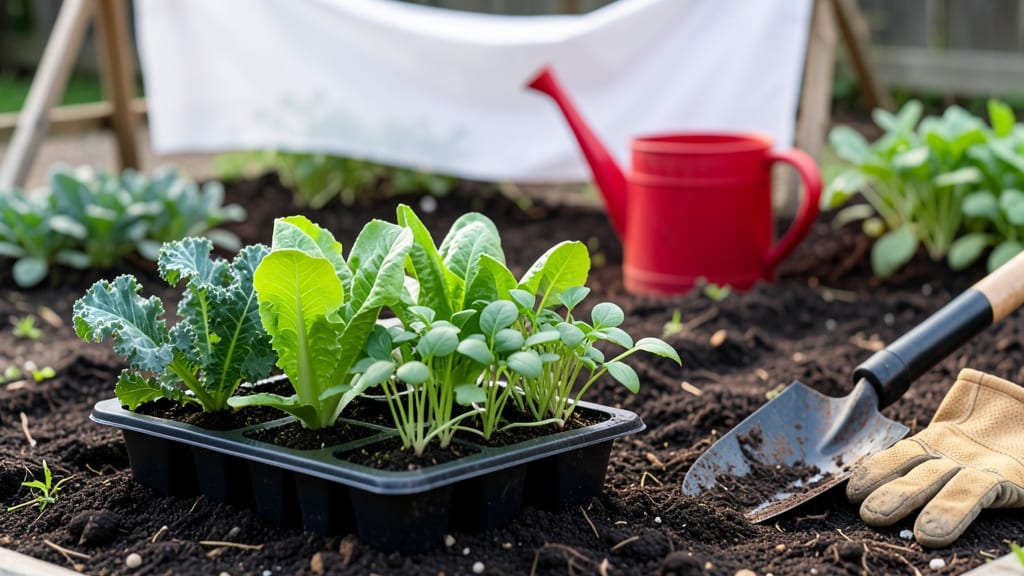
Planting a fall garden in Texas means starting cool-season crops 6-8 weeks before your first frost — a window that shifts dramatically from North to South Texas, where the calendar is more forgiving.
Texas gardeners know timing is everything — plant too early, and your fall crops face scorching heat; too late, and frost ruins your harvest.
But with hardiness zones 8a to 10b and microclimates that can vary by 20°F in just a few miles, figuring out the perfect planting window can feel like solving a puzzle.
In North Texas (Zone 8a), you might be sowing spinach by late August, while South Texas gardeners (Zone 10b) can stretch their window into early November. The key is knowing your last frost date, soil temperatures, and which crops can handle a little heat.
Below, I break down the exact planting deadlines by zone, the best crops for your region, and how to adjust for urban heat islands or mountain valleys. No more guesswork — just a harvest you can count on.
Texas fall planting deadlines by hardiness zones: exact dates for cool-season crops
Texas' fall planting window is a narrow but sweet opportunity to grow cool-season vegetables before winter frost. Unlike northern states, Texas gardeners must work with soil temperature thresholds (ideally 60-70°F for seeds) and first frost dates that vary dramatically from Zone 8a to Zone 10a.
Miss these deadlines, and you risk bolting greens or frozen brassicas.
For fast-growing crops like radishes and lettuce, you can still sow seeds in late summer (July-August) for a harvest before frost. But heat-sensitive transplants like broccoli and kale need cooler soil—aim for mid-August to early October depending on your zone.
Let’s break down the exact planting deadlines by zone to maximize your fall harvest.
🌱 Key Rule: Plant 6-8 weeks before your average first frost for mature harvests. Use row covers to extend seasons by 2-4 weeks in cooler zones.
| USDA Zone | First Frost Date | Last Chance for Seeds | Transplant Window | Fast Growers (Radish, Lettuce) | Heat-Sensitive (Broccoli, Kale) |
|---|---|---|---|---|---|
| 8a (North TX: Amarillo, Lubbock) | December 15 | August 15 | September 1 - October 1 | July 15 - August 15 | September 15 - October 1 |
| 8b (Central TX: Waco, Temple) | November 30 | August 30 | September 15 - October 15 | July 30 - September 1 | September 20 - October 10 |
| 9a (Austin, San Antonio) | December 10 | September 15 | October 1 - November 1 | August 15 - September 15 | October 1 - October 20 |
| 9b (Houston, College Station) | December 1 | September 30 | October 15 - November 15 | August 30 - October 1 | October 10 - November 1 |
| 10a (Brownsville, Corpus Christi) | January 15 | October 15 | November 1 - December 1 | September 15 - October 15 | October 30 - November 15 |
In Zone 8a, where frost can hit as early as mid-December, prioritize fast-maturing varieties of spinach and turnips (30-40 days to harvest).
For Zone 10a, you’ve got more flexibility—sow carrots and beets as late as October 15 for a winter harvest, but watch for bolting if temperatures dip unexpectedly.
Pro tip: Soil temperature matters more than air temperature. Use a soil thermometer to confirm seeds won’t cook in 80°F+ soil. For transplants, wait until soil cools to
How to adjust planting times for Texas microclimates: urban heat islands vs. Hill Country
Texas isn't just one climate—it's a patchwork of urban heat islands, high deserts, and cool mountain valleys, each demanding different planting strategies. In Dallas, pavement radiates heat, while Fredericksburg valleys can drop 20°F cooler just miles away.
These microclimates shift planting windows by 2-4 weeks, making a single "best time" impossible.
For example, El Paso's high desert (Zone 8a) can safely plant spinach in early September, while Austin's urban core (Zone 8b) might need to wait until mid-October to avoid wilting. The key? Adjusting for soil temperature, shade availability, and container gardening hacks that buffer extreme swings.
My go-to adjustment for urban gardens? Plant fast-maturing crops like radishes or bush beans in July-August under 50% shade cloth. These handle the heat better than slower growers.
For Hill Country, I swear by cold frames—they let me plant broccoli in early October when zone charts say "wait until November."
Don't overlook mulching depth. In Dallas, I use 4-inch wood chip mulch to keep soil 10°F cooler than unmulched beds. In El Paso, I switch to straw mulch to retain moisture during dry spells. Both tricks buy you 2-3 extra weeks of viable planting time.
Pro tip: Monitor your local weather station for heat advisories—they often predict 3-day heat spikes that can scorch seedlings. If temps hit 95°F+, pause planting until nights cool below 80°F. Even hardy greens like collards bolt when stressed by extreme heat.
Remember, Texas microclimates aren't just about hardiness zones—they're about micro-adjustments. With these tweaks, you'll turn urban pavement into productive beds and mountain valleys into frost-free havens. Happy planting! 🌱