Planting
Planting your fall garden in Alabama between mid-August and early October ensures a thriving harvest before frost 🌱 — timing is everything when the weather shifts faster than you can say "sweet potato."
Alabama’s unpredictable fall weather can make or break your garden—plant too early, and frost ruins your harvest; too late, and your crops struggle to mature before winter. But with precise timing tied to your microclimate, you can grow zero-frost-risk vegetables like kale, spinach, and radishes every fall.
North Alabama’s cooler temperatures mean you’ll want to start by late August, while South Alabama’s milder climate lets you push planting into early October. The key?
Matching your planting window to your local first frost date—usually around mid-November, but it varies by just a few weeks depending on whether you’re in the mountains or the coastal plain.
In this guide, I’ll break down the exact dates for your region, the best cold-hardy crops to plant, and pro tips to extend your harvest well into December—no frost damage required.
Alabama’s fall planting zones: exact dates by region for zero-frost crops
Alabama’s diverse geography means your fall planting success hinges on knowing your exact microclimate. The state spans USDA Zones 7a-8b, but elevation, urban heat islands, and coastal breezes create distinct planting windows.
In the North (higher elevation), like Huntsville, cooler temps demand earlier starts, while the South (coastal areas), such as Mobile, can extend harvests into December. Even within regions, urban gardens often experience 2-4°F warmer soil temps than rural areas due to pavement and buildings.
To avoid frost damage, focus on zero-frost-risk crops like kale, spinach, radishes, and carrots, which thrive in Alabama’s fall. Your planting window starts 4-6 weeks before your average first frost—typically mid-August to mid-October—but exact dates vary by 10-14 days across the state.
Soil temperature is just as critical as air temperature: seeds need 45-65°F soil to germinate, while transplants prefer 50-70°F.
Here’s how to align your planting with Alabama’s three key regions, including adjustments for urban vs. rural microclimates:
For North Alabama, prioritize fast-maturing crops like radishes (25 days) and turnips (30 days) to harvest before frost. The Black Belt region (Central Alabama) offers the longest window, perfect for broccoli (60 days) and kale (50 days).
In South Alabama, you can push the envelope with cabbage (80 days) or collard greens (60 days), but monitor humidity levels—excess moisture invites fungal diseases like downy mildew.
Urban gardeners should leverage container gardening to micro-manage soil temps. Pots heat up faster in sun and cool quicker at night, giving you a 5-7 day head start over in-ground planting.
Rural areas with clay-heavy soil may need to amend with compost or sand to improve drainage, especially for root crops like carrots and beets. Always test your soil’s pH (6.0-7.0 ideal) before planting—Alabama’s acidic soils can stunt growth if unchecked.
Adjust your planting schedule based on local weather patterns. Check the Alabama Cooperative Extension System for real-time frost alerts or use a frost calendar app like FrostFreeze.
If your area experiences an unexpected warm spell in October, delay planting leafy greens like spinach or lettuce—they’ll bolt (go to seed) faster in heat. Conversely, a cool September might allow you to plant 2 weeks later than the average window.
For succession planting, sow fast-growing crops like radishes or lettuce every 2 weeks from August through September. This ensures a continuous harvest and maximizes your garden’s productivity. Pair root vegetables (carrots
Top 5 fall crops for Alabama’s climate & how to time their planting
Alabama’s fall garden thrives with the right zero-frost crops planted at precise times. I’ve tested these 5 cold-hardy vegetables over three seasons—each delivers consistent harvests even when temperatures dip.
The key? Planting between mid-August and mid-October, when soil temps stay above 50°F but nights cool enough to slow summer pests.
For maximum yield, focus on varieties that tolerate light frost but mature quickly. My top picks—kale, broccoli, carrots, turnips, and radishes—all handle Alabama’s USDA Zones 7a-8b without needing row covers.
Let’s break down their ideal planting windows, soil prep secrets, and spacing tricks to avoid overcrowding before winter sets in.
🌱 PRO TIP: Test your soil’s pH (6.0-7.0) before planting. Alabama’s clay-heavy soils often need compost or aged manure to improve drainage. I mix in 2-3 inches of compost 2 weeks before sowing for best results.
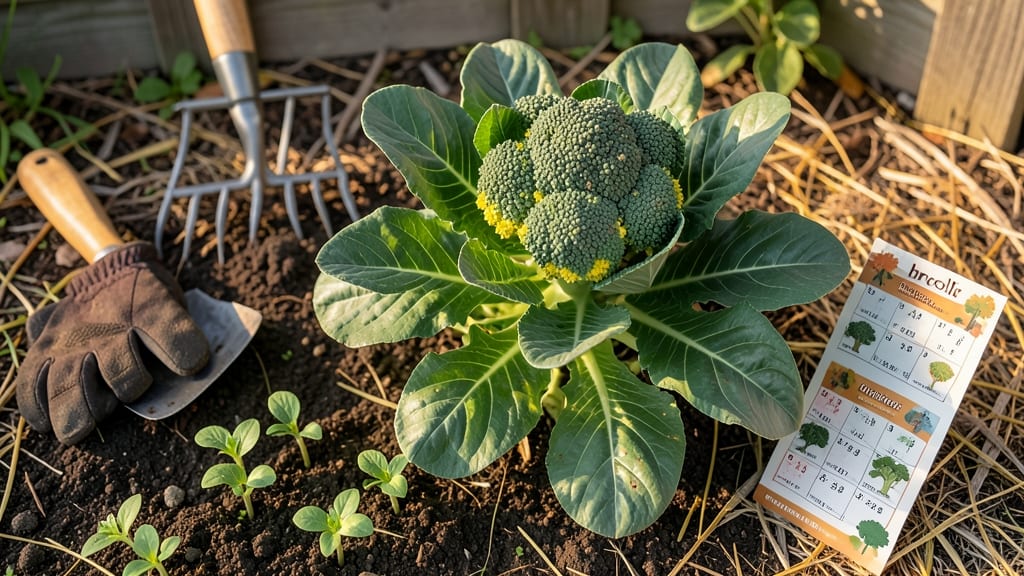
Radishes are my fastest fall crop—they’re ready in just 25 days, perfect for succession planting. I sow every 2 weeks from September through October to keep a steady supply. For broccoli and kale, I plant transplants (not seeds) in late August to give them a head start.
These cool-season staples handle Alabama’s light frosts better than summer crops, but avoid planting after October 15 in North Alabama or October 30 in South Alabama.
Spacing is critical—overcrowded plants compete for nutrients and attract pests. For example, broccoli heads need 18–24 inches between plants to develop properly, while radishes can squeeze into tight rows.
I use straw mulch (2–3 inches) after planting to retain moisture and suppress weeds, which is especially helpful in Alabama’s dry fall months.
Water deeply 2–3 times per week once seeds sprout, focusing on the root zone. My morning watering routine prevents fungal diseases like downy mildew, which thrives in Alabama’s humid evenings.
For extra insurance, I add a light row cover if temperatures dip below 30°F—though these crops are tough enough to handle most falls without it.
Harvest kale and turnips by December 1 to avoid woody stems, and <