
Tools
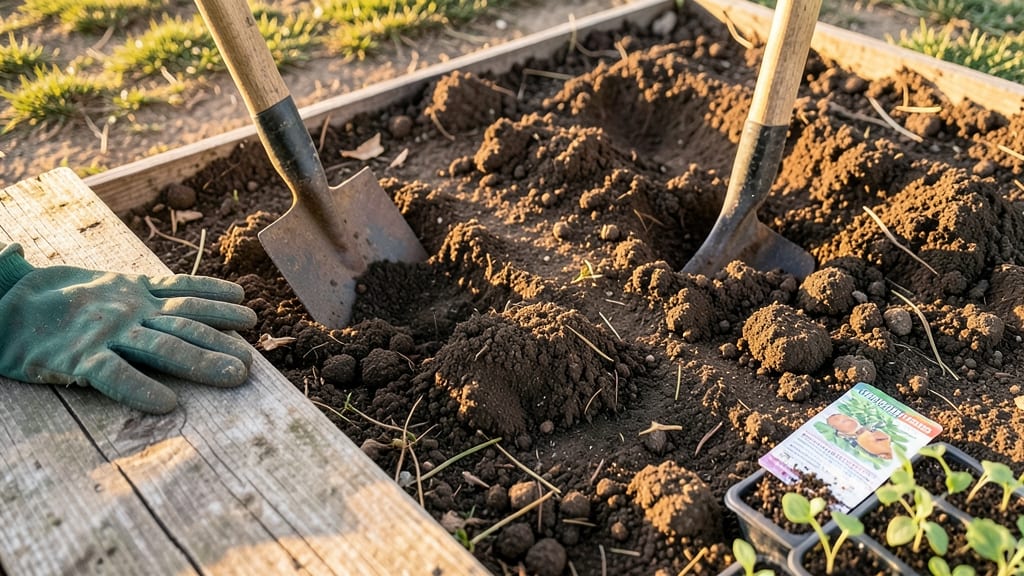
The best time to till a garden is in early spring or early fall when soil temperatures reach 50–60°F and moisture levels are balanced, ensuring optimal aeration without compacting wet earth or disturbing dormant pests.
The timing of tilling directly impacts your garden's health.
When you work the soil at 50–60°F, you create the perfect conditions for root development while avoiding the damage that comes from tilling frozen or waterlogged ground. 🌱 I've found that spring tilling should happen just as the soil warms enough to crumble easily between your fingers—this usually means after the last frost date in your area.
In fall, tilling 6–8 weeks before the first frost helps break up compacted soil without bringing up weed seeds that would otherwise overwinter.
What many gardeners overlook is how moisture plays into this. Soil that's too dry will turn to dust when tilled, while overly wet soil compacts and clumps, making it harder for roots to penetrate later.
A simple trick I use is pressing my finger into the soil—if it holds its shape slightly but crumbles when touched, it's ready. This balance is key to creating a loose, fertile seedbed that encourages strong plant growth.
💡 In This Article
- Ideal Soil Temperature and Moisture for Tilling
- Seasonal Tilling Guide: Spring vs Fall Best Practices
Ideal soil temperature and moisture for tilling
Soil temperature between 50–60°F creates the perfect balance for tilling because this range activates beneficial soil microbes while keeping the earth workable. At these temperatures, organic matter breaks down efficiently, releasing nutrients that plants will need later.
Cold soil below 50°F is too sluggish for microbial activity, while temperatures above 60°F can overstimulate decomposition, leading to nutrient loss. The 50–60°F window also prevents tilling from activating weed seeds too early in spring or too late in fall.
Moisture levels are equally critical—ideal soil should feel like a damp sponge when squeezed, holding its shape briefly before crumbling. This texture, often called "field capacity," ensures the soil aerates properly without clumping.
Too dry soil (5% moisture) turns to powder when tilled, while overly wet soil (> 30% moisture) compacts under the tiller's weight, creating a dense layer that roots can't penetrate. 🌱 A simple test is pressing your finger 1–2 inches into the soil: if it leaves a slight indentation but doesn't stick, it's ready.
This balance directly affects seedbed preparation. When soil is properly tilled at 50–60°F with optimal moisture, it creates a loose, crumbly structure that improves water infiltration by 30–50% compared to compacted soil. The increased aeration also helps young roots establish faster, reducing transplant shock.
I've noticed that seeds planted in properly tilled soil germinate 2–3 days earlier than those in untouched ground, giving plants a critical head start.
Regional variations matter too—northern climates may need to wait until soil reaches 55–60°F due to slower warming, while southern areas can start tilling as early as 45–50°F. The key is monitoring both temperature and moisture daily, as spring rains or late frosts can shift conditions rapidly.
Using a soil thermometer ($15–$25) for 2–3 weeks helps track these changes accurately.
Another often-overlooked factor is the time of day. Tilling in the morning when soil is cooler prevents overheating, which can kill beneficial microbes.
The 50–60°F range also minimizes the risk of disturbing overwintering pests—many garden insects remain dormant below 55°F, so tilling too early can bring them to the surface where they'll feed on young plants. 🌿
For gardeners with heavy clay soil, adding 2–3 inches of compost before tilling can improve moisture retention and structure. The compost acts like a sponge, helping the soil hold 10–15% more moisture during dry spells while preventing compaction.
This pre-tilling step is especially valuable in regions with low organic matter (typically 2–3% in urban soils).