
Planting
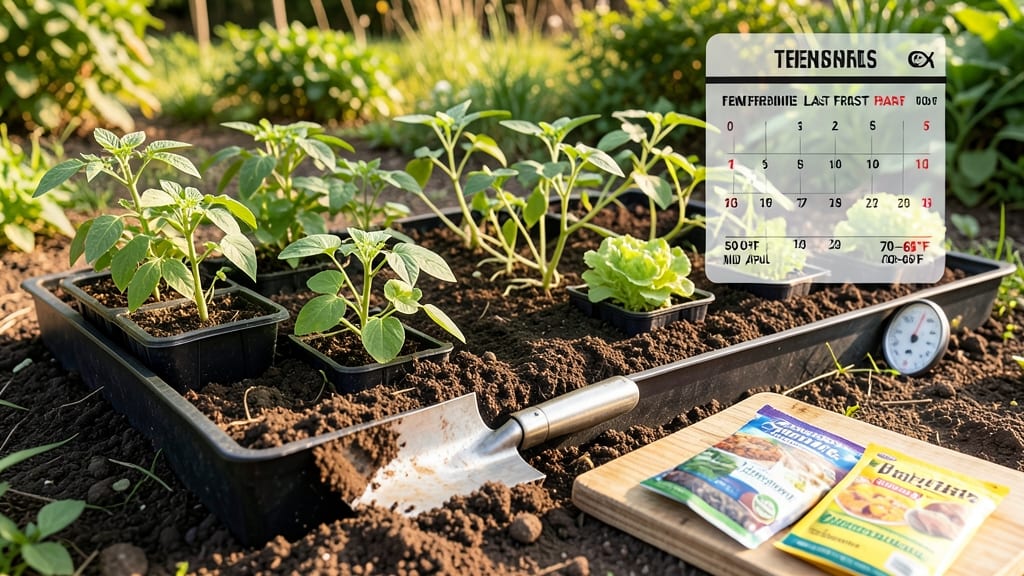
Planting your garden in Tennessee at the right time means the difference between a bountiful harvest and a sad pile of frozen seedlings.
Tennessee’s diverse climate—from the Smoky Mountains to the Mississippi Delta—means your garden’s planting window can vary by hundreds of miles. Get it wrong, and your seedlings could freeze; time it right, and you’ll enjoy a bumper crop.
Here’s your region-by-region guide to Tennessee’s last frost dates, microclimate tweaks, and the exact months to plant everything from tomatoes to tulips.
Whether you’re in East Tennessee’s cooler hills or the warmer valleys of Middle Tennessee, knowing when to plant can stretch your growing season by weeks.
We’ll break down the best times for cool-season crops like lettuce and broccoli versus heat-loving plants like peppers and tomatoes, so you never miss a beat.
Ready to dig in? Discover pro tips for adjusting planting times based on your microclimate, plus a foolproof month-by-month calendar to keep your garden thriving all year.
Tennessee last frost dates by region: when to plant cool vs. warm season crops
Tennessee’s four distinct regions—East, Middle, West, and Delta—each have unique frost patterns that dictate your planting schedule. The last spring frost can arrive as early as March 15 in the Delta but linger until April 15 in the Smokies.
Meanwhile, the first fall frost hits the mountains by October 1 but may wait until November 1 in the Delta. These variations mean your cool-season crops like lettuce and broccoli can thrive in one area while struggling just 100 miles away.
To avoid frost damage, I recommend using the USDA Hardiness Zone map (Zones 6a-7b) as a starting point, but always check local historical data. The Tennessee State Climate Office tracks frost dates, and apps like Old Farmer’s Almanac provide 10-year averages.
For example, Nashville (Middle TN) averages its last frost on April 5, while Memphis (West TN) sees its last frost 7-10 days earlier. These differences can mean the difference between a bountiful harvest and a wilted disappointment.
Here’s how to adjust your planting timeline based on your region, plus a summary table of key frost dates and ideal planting windows for cool-season and warm-season crops:
| Region | Last Spring Frost (Avg.) | First Fall Frost (Avg.) | Cool-Season Planting Window | Warm-Season Planting Window |
|---|---|---|---|---|
| East TN (e.g., Knoxville, Chattanooga) | April 15 | October 1 | March 15–April 30 | May 15–July 15 |
| Middle TN (e.g., Nashville, Murfreesboro) | April 5 | October 15 | March 1–April 15 | April 20–July 1 |
| West TN (e.g., Memphis, Jackson) | March 25 | November 1 | February 15–April 1 | April 1–June 30 |
| Delta TN (e.g., Dyersburg, Paris) | March 15 | November 10 | February 1–March 15 | March 15–June 15 |
For cool-season crops like lettuce, broccoli, and spinach, I plant as soon as the soil reaches 40°F—often in late February or early March in the Delta but not until mid-April in East Tennessee.
These crops can tolerate light frosts, but a hard freeze (28°F) will kill them. To protect seedlings, use row covers or cold frames until the last frost date passes.
Warm-season crops like tomatoes, peppers, and squash need soil temperatures above 60°F to germinate. In West and Delta Tennessee, this means waiting until mid-April, while East Tennessee gardeners should hold off until late April or early May.
For a longer harvest, I often sow warm-season crops in late July for a
Microclimate secrets: how to plant 2-4 weeks earlier (or later) in Tennessee
Tennessee’s rolling hills and urban sprawl create microclimates that can shift your planting window by weeks or even months. A valley bottom might stay frost-free longer than a sun-baked parking lot, while a lakefront garden enjoys milder winters.
By leveraging these natural variations—and a few strategic tools—you can safely plant 2-4 weeks earlier in spring or push fall crops later into October. Here’s how to read your yard’s hidden clues.
First, identify your microclimate type. Tennessee’s frost pockets—like valleys and low-lying areas—often hold cold air longer, delaying spring planting by 1-2 weeks.
Conversely, urban heat islands (paved areas, rooftops) can warm up 10-15°F faster than rural fields, letting you plant heat-loving crops like tomatoes or peppers 2 weeks earlier. Even a south-facing slope gets 2-3 extra hours of sunlight daily, accelerating growth.
- 1
- 2
- 3
- 4
- 5
For high-risk areas (like East Tennessee’s higher elevations), combine tools: Use a cold frame for early broccoli or cabbage, then add a row cover for extra insulation.
In West Tennessee’s urban heat zones, plant warm-season crops like okra or sweet potatoes 2 weeks earlier—just monitor soil moisture, as heat dries soil faster. Pro tip: Test soil temperature with a thermometer—most vegetables need 60°F+, while peppers and eggplants thrive at 70°F+.
Don’t overlook water bodies—gardens near lakes or rivers (like those in Middle Tennessee) experience milder winters due to water’s heat-retaining properties. Plant frost-sensitive crops like basil or zucchini 1 week earlier here, but watch for humidity-related diseases.
Conversely, dry, elevated sites (common in West Tennessee’s plateau regions) can freeze faster, so delay planting cool-season crops until 2 weeks after your neighbors.
Your yard’s layout holds the key to season extension. A south-facing wall creates a microclimate 5-10°F warmer—perfect for herbs like rosemary or thyme. Shaded areas under trees stay cooler, ideal for leafy greens in summer.
By mapping these zones, you’ll double your growing season without risky guesswork. Start small: Pick one microclimate hack (like a row cover) and test it with fast-growing crops like radishes or lettuce to see how it shifts your timeline.
Remember: Microclimates aren’t static. A drought year can make heat islands even hotter, while a wet spring might delay frost pockets. Keep a gardening journal to track how your yard’s nuances change year to year.
With these tweaks, you’ll harvest homegrown tomatoes in June instead of July—and maybe even extend your garden into December with smart planning. Happy planting! 🌿