
Planting
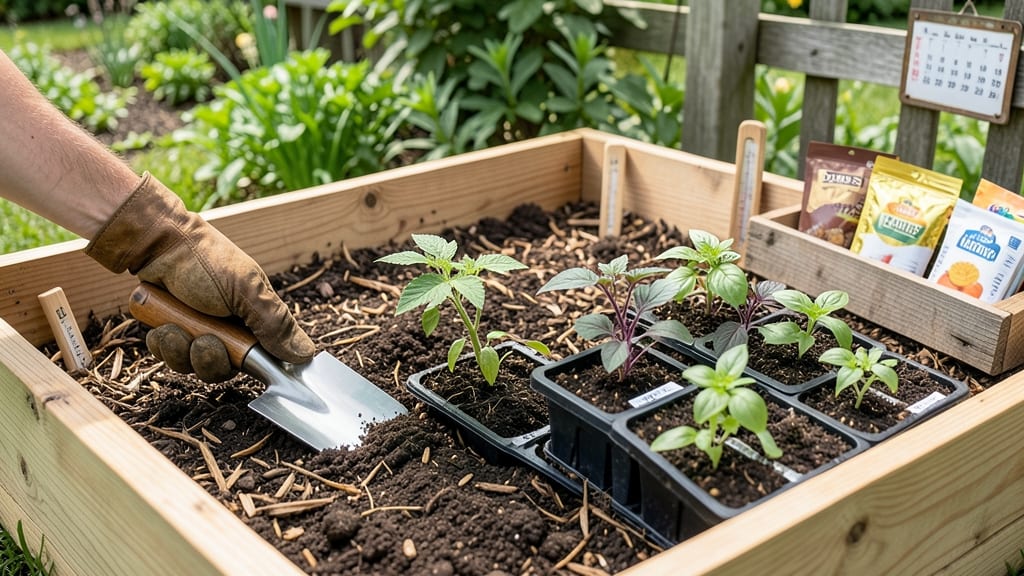
The best time to plant a garden in Tennessee depends on your region’s frost-free window—typically late February through early April for spring and August through September for fall.
Tennessee’s climate varies wildly from the humid South to the cooler Appalachian highlands, meaning your timing could mean the difference between a thriving harvest and a sad, wilted mess. Get it right, and you’ll enjoy fresh tomatoes by summer or crisp greens in winter.
For most of the state, March and April are ideal for warm-season crops like peppers and squash, while cool-season veggies (think broccoli or spinach) do best in late summer or early fall. But if you’re in East Tennessee’s higher elevations, you’ll need to adjust—those last frosts linger longer.
Below, I break down the exact planting windows by zone, soil prep tips, and how to stretch your growing season with row covers—so you can finally stop guessing and start growing with confidence.
Tennessee’s frost-free zones and ideal planting months by region
Tennessee spans USDA hardiness zones 5a to 8a, creating dramatic differences in planting times across just a few hours' drive. The Appalachian Mountains in East Tennessee (zones 5a-6b) experience earlier frosts, while West Tennessee’s lowlands (zones 7a-8a) enjoy longer growing seasons.
These variations mean your tomatoes might thrive in Memphis by early April but need to wait until May in Knoxville.
Understanding your last average frost date is critical—it determines when to plant warm-season crops like peppers and squash. Meanwhile, cool-season crops such as broccoli and spinach should go in the ground 4-6 weeks before your first frost.
Let’s break down the exact timing for each region to help you maximize your harvest.
Here’s a quick reference for Tennessee’s frost-free zones and ideal planting windows:
| Region | USDA Zone | Last Frost Date | First Frost Date | Warm-Season Planting | Cool-Season Planting |
|---|---|---|---|---|---|
| East Tennessee (e.g., Knoxville, Gatlinburg) | 5a-6b | April 15-May 1 | October 15-November 1 | After May 15 | March 1-April 15 |
| Middle Tennessee (e.g., Nashville, Chattanooga) | 6a-7a | March 25-April 10 | October 20-November 5 | After April 15 | February 15-March 30 |
| West Tennessee (e.g., Memphis, Jackson) | 7b-8a | March 10-20 | November 5-15 | After March 25 | January 15-February 28 |
In East Tennessee’s high elevations, gardeners in zones 5a-6b often face a shorter growing season of just 165-180 frost-free days. This means tomatoes and peppers must be planted after April 15 to avoid frost damage.
For cool-season crops like spinach, start seeds indoors in late February or direct-sow in early March.
Middle Tennessee’s zone 6a-7a offers a sweet spot with 180-200 frost-free days, allowing for two full growing seasons. Plant warm-season crops like squash and cucumbers after April 15, while broccoli and kale can handle direct sowing as early as February 15.
Use row covers to extend the season in early spring or late fall.
West Tennessee’s zone 7b-8a is the most forgiving, with 200-220 frost-free days. Here, you can plant tomatoes as early as March 25 and enjoy fall crops like carrots until November. The longer season also means sweet potatoes and okra thrive without needing extra protection.
Regardless of your zone, always monitor soil temperatures—most warm-season crops need soil at least 60°F (15°C) before planting. Use a soil thermometer to check, especially in high-altitude areas where cooler nights delay warming. For cool-season crops, wait until soil temperatures drop below 80°F (27°C) to prevent bolting.
Pro tip: In zone 8a areas, you can even grow winter greens like lettuce or radishes from September to November. Just cover them with frost cloth if temperatures dip below 30°F (-1°C). With the right timing, your Tennessee garden can produce year-round!
🌱
How to adjust planting times for Tennessee’s microclimates and soil conditions
Tennessee’s varied terrain—from the cool mountain valleys of East Tennessee to the warmer river valleys of West Tennessee—creates unique gardening challenges. Urban gardeners in Nashville face different soil conditions than those in Gatlinburg’s high-altitude gardens. Understanding these microclimates helps you time plantings perfectly for your location.
Soil type also plays a critical role. Clay-heavy soils in Memphis drain poorly, while sandy soils in Knoxville dry out quickly. Amending your soil with compost or organic matter improves drainage and moisture retention, creating ideal conditions for root growth.
Test your soil’s pH—most Tennessee gardens thrive in a neutral to slightly acidic range (6.0–7.0).
⚠️ callout-warning ⚠️
Many gardeners rush to plant warm-season crops like tomatoes or peppers before the last frost date (typically mid-March in West TN but late April in East TN). Frost-sensitive plants will wilt or die if exposed to cold. Always check your local frost dates and wait until soil temperatures reach at least 60°F (15°C) before planting.
To extend your growing season, use row covers or cold frames in cooler areas like Knoxville or Chattanooga. These tools protect young plants from late spring frosts and early fall chills, allowing you to plant 4–6 weeks earlier in spring or harvest 2–3 weeks later in fall.
In river valleys like Memphis and Nashville, where summers are hot and humid, focus on shade-loving crops like lettuce, Swiss chard, or okra during peak heat. Mulch heavily with straw or wood chips to retain moisture and prevent soil erosion from frequent summer rains.
For high-altitude gardens (e.g., Gatlinburg, Sevierville), prioritize cool-season crops like kale, spinach, and peas in early spring. These areas have shorter growing seasons, so opt for fast-maturing varieties or use season extenders to maximize yields.
Finally, avoid overcrowding plants—especially in urban gardens with limited space. Proper spacing improves air circulation, reducing fungal diseases like powdery mildew or blight, which thrive in Tennessee’s humid climate. Always follow seed packet spacing guidelines for healthy growth.