
Planting
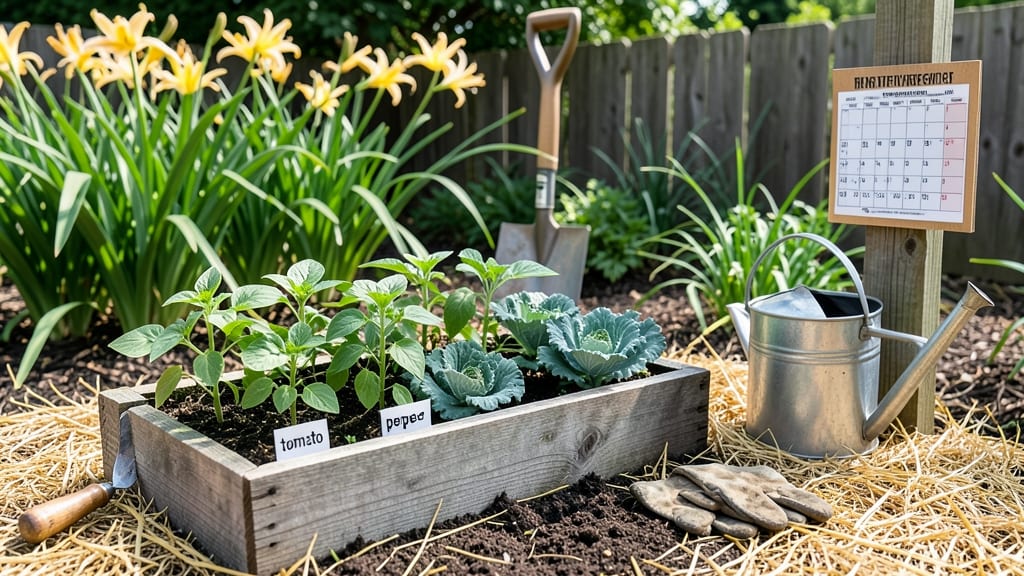
Planting a garden in Tennessee at the right time means the difference between a bountiful harvest and a sad pile of wilted seedlings 🌱—and the window is narrower than you think.
Tennessee’s diverse climate—from the Appalachian highlands to the Gulf Coastal Plain—means your garden’s success hinges on planting at the exact right time. Miss the window, and frost or heat can ruin your hard work before harvest.
Cool-season crops like lettuce and peas thrive when planted 4-6 weeks before your last frost, while tomatoes and peppers need the soil to warm up 2-3 weeks after.
For Tennessee’s 6a-7b zones, that means starting as early as mid-March for hardy greens or waiting until late April for heat-lovers.
Below, I break down the perfect planting timeline by crop, region-specific frost dates, and pro tips to stretch your growing season—so you can avoid the heartbreak of a failed garden.
Tennessee’s frost-free dates by Zone: when to plant cool-season vs. warm-season crops
Tennessee’s USDA Hardiness Zones 6b-7b create a unique gardening challenge, with last frost dates varying by just weeks between cities like Memphis (Zone 7b) and Knoxville (Zone 6b). Understanding these frost-free windows ensures your cool-season crops like lettuce and warm-season crops like tomatoes thrive.
In Nashville (Zone 7a), the average last frost date is April 1, while Chattanooga (Zone 7a) sees it around March 31. These small differences mean the difference between a bountiful harvest and a failed crop.
For cool-season crops, I always start seeds 4-6 weeks before the last frost. In Zone 6b (Knoxville), that means mid-February for spinach and late February for broccoli. Meanwhile, in Zone 7b (Memphis), I can push those dates back to early March for the same results.
Warm-season crops like tomatoes and peppers need to wait until 2-3 weeks after the last frost, which in Nashville translates to mid-April. Timing is everything—plant too early, and a late frost will kill your seedlings.
Here’s the critical summary of Tennessee’s frost-free dates and planting windows by city and crop type:
| City (Zone) | Last Frost Date | First Frost Date | Cool-Season Planting Window | Warm-Season Planting Window |
|---|---|---|---|---|
| Nashville (7a) | April 1 | October 20 | Feb 15 - Mar 15 | Apr 15 - May 1 |
| Chattanooga (7a) | March 31 | October 15 | Feb 1 - Mar 10 | Apr 10 - Apr 25 |
| Memphis (7b) | March 15 | October 15 | Jan 20 - Feb 20 | Mar 30 - Apr 15 |
| Knoxville (6b) | April 15 | October 10 | Feb 1 - Mar 15 | Apr 20 - May 1 |
*Adjust dates by 1-2 weeks for microclimates (e.g., low-lying areas frost later).
For cool-season crops, I prioritize lettuce, spinach, and kale in early spring, planting seeds 4-6 weeks before the last frost. In Zone 6b (Knoxville), that means late February, while in Zone 7b (Memphis), I can start as early as mid-January under row covers.
These crops tolerate light frosts and even thrive in cool temperatures (40-65°F). I always use row covers or cold frames to extend the season into late fall, pushing harvests until mid-October in most zones.
Warm-season crops like tomatoes, peppers, and beans demand soil temperatures above 60°F to germinate. In Nashville, I wait until mid-April to plant these, while in Memphis (Zone 7b), I can start 2 weeks earlier.
For beans and peas, I plant directly in the ground after the last frost, but for tomatoes and peppers, I start seeds indoors 6-8 weeks before transplanting.
This gives my seedlings a head start in the competitive Tennessee growing season, which is only about 180-220 frost-free days long.
Don’t forget about microclimates—your garden’s location matters. Low-lying areas often frost 1-2 weeks later than higher elevations, while urban heat islands (like downtown Nashville) can push last frost
Best crops to plant in Tennessee by month: a month-by-month guide
Tennessee’s humid subtropical climate and USDA zones 6b-7b create perfect conditions for a year-round gardening adventure. But timing is everything—plant cool-season crops too late, and heat will bolt your lettuce.
Wait too long for warm-season plants, and your tomatoes may never ripen. Let’s break down the best planting months for Tennessee’s top crops, tailored to our state’s unique microclimates.
Start with early spring when soil temperatures rise above 50°F. This is prime time for leafy greens like spinach and kale, which thrive in cool but frost-free conditions.
By late spring, focus shifts to warm-season favorites such as tomatoes, peppers, and sweet corn—these need consistent warmth to flourish. Don’t forget fall planting, which offers a second chance for cool-season crops like broccoli and carrots before winter sets in.
- March-April: Leafy greens (lettuce, spinach), root veggies (carrots, radishes), onions, and peas. Start warm-season seeds indoors (tomatoes, peppers).
- May: Transplant tomatoes, peppers, and eggplants after last frost. Plant beans, cucumbers, and squash directly in soil.
- June-July: Succession plant heat-loving crops like okra, sweet potatoes, and southern peas. Herbs (basil, cilantro) thrive in summer’s warmth.
- August-September: Direct-sow fall crops (kale, Brussels sprouts, beets). Plant garlic for next year’s harvest.
- October: Extend season with row covers for spinach, arugula, and radishes. Harvest warm-season crops before frost.
For East Tennessee’s cooler highlands, like Knoxville, delay warm-season planting by 2-3 weeks compared to West Tennessee’s warmer zones (Memphis, Nashville). Microclimates matter: A south-facing garden bed warms faster than a shady spot, so adjust planting dates accordingly. Soil prep is key—amend clay-heavy soils with compost to improve drainage, especially for root vegetables like potatoes and turnips.
Don’t overlook herbs and flowers! Basil and cilantro love summer heat, while parsley and chives tolerate cooler temps. Marigolds and nasturtiums deter pests naturally—plant them alongside tomatoes and peppers for a thriving, low-maintenance garden.
Mulch heavily in summer months to retain moisture and suppress weeds, especially during Tennessee’s humid afternoons.
Pro tip: Use succession planting to maximize yields.
For example, sow bush beans every 2 weeks from May through July for a continuous harvest. Leafy greens like lettuce can be planted every 3 weeks in spring and fall for a steady supply. Save seeds from your best performers—like heirloom tomatoes or southern peas—to adapt to Tennessee’s climate over time.
With this month-by-month guide, you’ll avoid common mistakes like overcrowding seedlings or planting too late for a full harvest. Tennessee’s growing season is long enough to enjoy fresh produce year-round—just follow the timing tips tailored to our unique climate. Happy planting! 🌿